How to stop impulse buying clothes (and still enjoy getting dressed)
Clothes are among the things we regret buying most. Here’s how to spot your triggers, build in a pause and only bring home pieces you’ll actually wear.
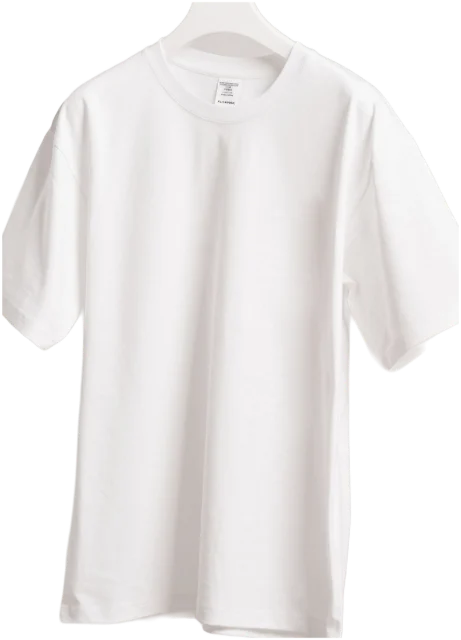
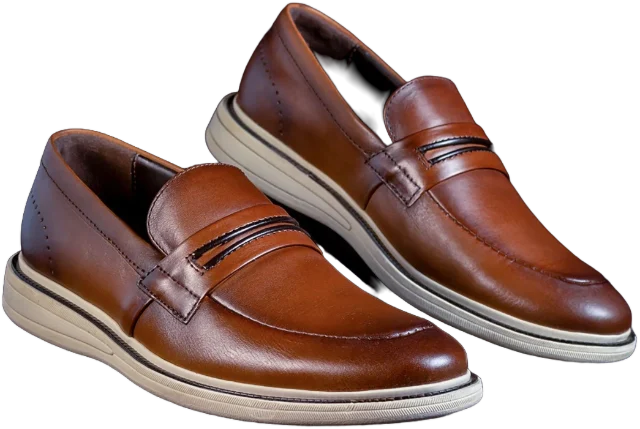
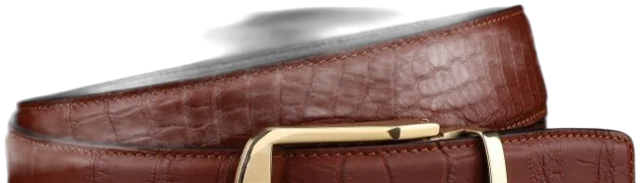
To stop impulse buying clothes, put distance between wanting and paying: wait 48 hours before any non-essential buy, check it makes three outfits with what you already own, and remove the shortcuts (saved cards, sale emails, one-tap payments) that make buying effortless. Then learn your triggers, because many impulse buys are about a feeling, not a gap.
Key takeaways
- Clothing and footwear are among the most regretted purchases in Great Britain, usually because they turn out not to be right after all.
- Wait 48 hours before small buys and 30 days before big ones.
- Only buy a piece that makes three outfits with clothes you already own.
- Remove the shortcuts: saved cards, sale emails and shop app notifications.
- In a sale, buy from your list or buy nothing.
Why you impulse buy clothes
If you’ve ever opened a parcel and wondered what you were thinking, you’re in large company. In a University of Cambridge study of regretted purchases in Great Britain, 82% of adults said they had regretted a purchase, and clothing and footwear had the highest rate of regret of all 20 product groups, alongside takeaways. Of the people who bought clothes or shoes, 60% had regretted it at some point, and around 40% in the past year.
The main reason, given by 57% of those clothing regretters, was that the piece wasn’t right for them after all, or wasn’t as good as they expected. That’s the signature of an impulse buy: it looked perfect for a moment, on a screen, under changing-room lights, at 11pm.
None of this is a character flaw. Shopping is designed to be easy, and the urge usually arrives with a reason attached. Research from WRAP published in March 2026 found that purchase triggers include a special occasion, a sale or promotion, or an emotional pull such as a reward or stress relief. The same work found almost a quarter of people in the UK (23%) regularly buy clothes intending to wear them only for a short time.
Spot your triggers
For the next two weeks, every time you buy, or nearly buy, a piece of clothing, note the time, where you were and how you felt. Patterns appear quickly, and most people find one or two triggers do most of the damage. Then plan your counter-move in advance.
| Trigger | What it sounds like | Try this instead |
|---|---|---|
| Boredom or late-night scrolling | “I’ll just have a look.” | Charge your phone outside the bedroom and only browse with a list. |
| Stress or a bad day | “I deserve something.” | Choose a non-shopping reward ahead of time: a walk, a film, a call with a friend. |
| A sale or countdown timer | “It’s half price, it’d be silly not to.” | Ask whether you’d buy it at full price. If not, it isn’t a saving. |
| An event coming up | “I’ve got nothing to wear to this.” | Build three outfits from what you own before you open a shop’s website. |
| Social media | “I need that exact look.” | Screenshot it, wait a week, then see what you already own that’s close. |
| Free delivery thresholds | “I’ll add one more thing.” | Pay the delivery charge. It costs less than a piece you won’t wear. |
Put time between wanting and buying
The most useful habit is a pause. Wanting fades faster than you’d think, and anything still on your mind after a wait has earned a proper look.
The 48-hour rule
For anything under about £50, wait 48 hours. Leave it in the basket or on a wishlist, close the tab and carry on with your day. If you’ve forgotten it by the time the 48 hours are up, you’ve saved the money and the hanger.
The 30-day list
For bigger buys, such as a coat, boots or anything over £100, write the piece on a running list with the date. After 30 days, read the list back. Some of it will no longer appeal; what’s left is usually what you actually need.
The one-in, one-out test
Before you buy, name the piece the new one will replace and decide where the old one goes: sold, swapped or donated. If you can’t name one, the new piece is an addition, and additions have to work harder to justify themselves.
The pre-purchase checklist
Run anything that survives the pause through these seven questions. Be honest with yourself; a “sort of” counts as a no.
- Does it make three outfits with what I already own? Name the actual pieces. If you’d need to buy something else to wear it, that’s two purchases, not one.
- What gap does it fill? If you’ve done a wardrobe audit, check it’s on your gap list. A fourth black jumper is not a gap.
- Will I wear it 30 times? Count the weeks it suits the weather and your life. A linen shirt has a short British season; a merino jumper has a long one.
- What will it cost per wear? Divide the price by your honest estimate of wears. A £90 coat worn 100 times costs 90p a wear; a £25 top worn twice costs £12.50.
- Does it fit now? Not after a diet, and not once it gives a little. Sit, reach and lift your arms in it. If you buy across sections, go by measurements, not the label: our guide to sizing across menswear and womenswear shows how.
- Will I look after it? Read the care label. Hand wash only and dry clean only are fine, as long as you’ll actually do them.
- Would I buy it at full price? If the discount is the main attraction, walk away.
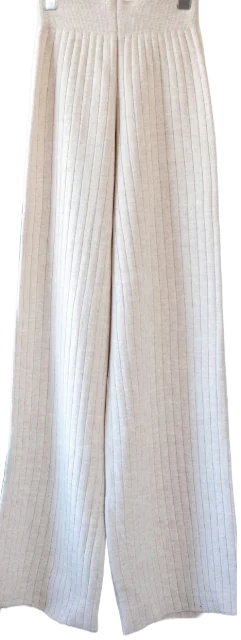
How to stop impulse buying clothes online
Online shops are built to remove every moment where you might change your mind. Your job is to put a few of those moments back.
- Delete saved cards from shopping sites and turn off one-tap payment in shop apps. Typing in a card number is a small, useful pause.
- Unsubscribe from sale emails and switch off app notifications. You can’t be tempted by a flash sale you never hear about.
- Unfollow accounts that make you feel behind. Keep the ones that give you new ideas for clothes you already own.
- Log out. Being signed in everywhere means nothing stands between a whim and a parcel.
- Treat buy now, pay later as borrowing, because it is. The Financial Conduct Authority started regulating it on 15 July 2026, so third-party lenders now have to check you can afford the repayments. That protects you; it doesn’t make a fourth pair of boots a good idea.
- Don’t buy to try. Ordering three sizes with a plan to return two makes keeping them all far too easy, and you often pay the return postage.
When an impulse buy does slip through, the law gives you a second chance. If you bought online from a UK business, you can usually cancel up to 14 days after the item arrives, then have a further 14 days to send it back, as Which? explains. Unless the shop offers free returns, the postage is usually yours to pay.
Sales, Black Friday and countdown timers
Black Friday falls on 27 November this year, and the build-up starts weeks before. Sales run on urgency: a timer, an “only two left” badge, a code that expires at midnight. None of that changes whether a piece belongs in your wardrobe.
- Write your list before the sale starts, using the gaps you already know about.
- Set a budget in pounds, not a number of items.
- Note today’s price of anything on your list, so you can tell a real discount from a reshuffled one.
- Buy from the list or buy nothing. A sale piece you never wear still costs everything you paid for it.
What to do instead of buying
The urge to shop is often an urge for something new to wear. You can have that without a new purchase.
- Shop your own wardrobe. Pull out three pieces you haven’t worn this month and build an outfit around each one.
- Borrow or swap. A friend’s dress for a wedding is newer to you than anything in a shop. Here’s how to set up clothes swaps and lending with friends.
- Buy second-hand, on purpose. WRAP’s research on second-hand buying points out that an impulsive second-hand purchase may not replace a new one at all; it’s just one more thing. Take a list, and our second-hand shopping tips.
- Find the look, not the item. If a picture has you hooked, work out what the pieces are and whether you already own something close. Here’s how to find clothes from a picture, and how to find a good dupe if the original is out of reach.
What to do with the impulse buys you already own
Most of us have a few pieces with the tags still on. Deal with them now, while they still have value to you or to someone else.
- Return it if you can. If you bought it online in the last fortnight, you may well still be in time. In a physical shop you have no automatic right to a refund for a change of mind, says Citizens Advice, but many shops have their own returns policy.
- Give it one week. Wear it in three different outfits in seven days. If it works, it was a good buy that arrived a little early.
- Fix what stops you wearing it. If it’s fit, a tailor can often take in a waist or shorten a hem for less than the cost of replacing it.
- Pass it on. Sell it, swap it or give it to someone who’ll wear it. Keeping it out of guilt only costs you space.
If shopping ever feels out of your control, or you find yourself hiding what you spend, take it seriously. The NHS recognises that shopping can become an addiction, and your GP is a good first conversation.
The goal was never to stop buying clothes. It’s to buy less and wear more of what you love, so every new piece is a choice rather than a reflex.
Questions
What is the 30 wears rule?
Before you buy something, ask whether you’ll wear it at least 30 times. If you can’t picture 30 wears in the seasons and places it suits, it’s probably a want rather than a gap.
Why do I keep buying clothes I never wear?
Usually because you’re buying for a moment or a mood rather than your real week, or because new pieces don’t go with what you own. Checking that every new piece makes three outfits with your existing clothes fixes most of it.
How long should I wait before buying clothes?
Wait at least 48 hours for small purchases and around 30 days for bigger ones such as coats and boots. If you still want it after the wait and it passes your checklist, buy it without guilt.
Can I return clothes I bought on impulse?
If you bought online from a UK business, you can usually cancel within 14 days of receiving the item and then have a further 14 days to send it back. In a physical shop there’s no automatic right to a refund if you simply change your mind, so check the shop’s own policy.
Is impulse buying an addiction?
Occasional impulse buys are normal. The NHS says shopping can become an addiction when you buy things you don’t need to get a buzz, so if it’s causing debt, secrecy or distress, talk to your GP.
Sources
- Questioning demand: A study of regretted purchases in Great Britain, University of Cambridge (Skelton and Allwood, Ecological Economics)
- Cultivating a culture of clothing reuse, WRAP
- Displacement Rates Untangled: A Standardised Methodology, WRAP
- Buy Now Pay Later, Financial Conduct Authority
- I want to return something bought online, Which?
- Changing your mind about something you’ve bought, Citizens Advice
- Addiction: what is it?, NHS