Buy less, wear more: how to build a sustainable wardrobe
The greenest clothes are the ones already in your wardrobe. Here’s what the UK research says, and how to get more wear out of everything you own.
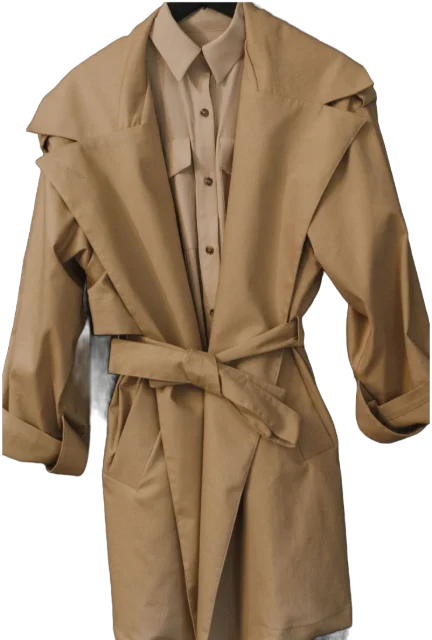
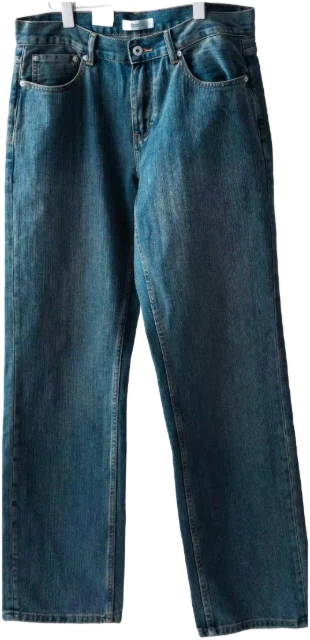
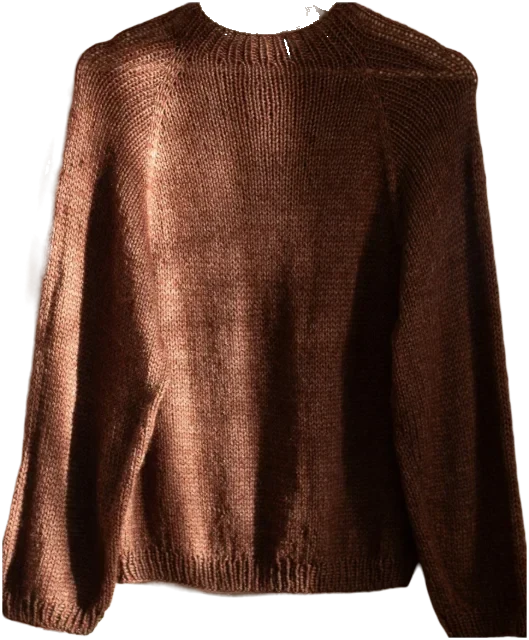
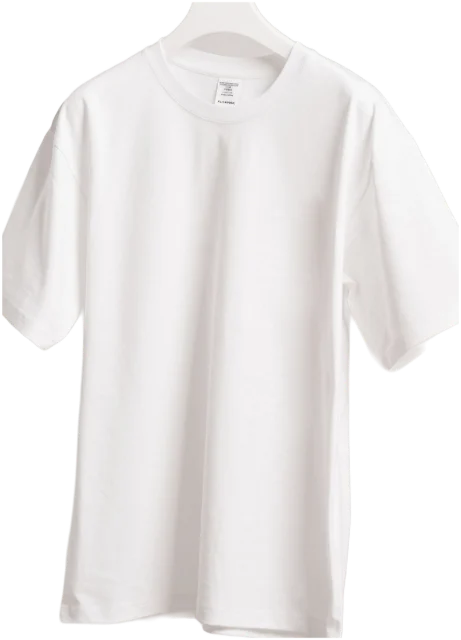
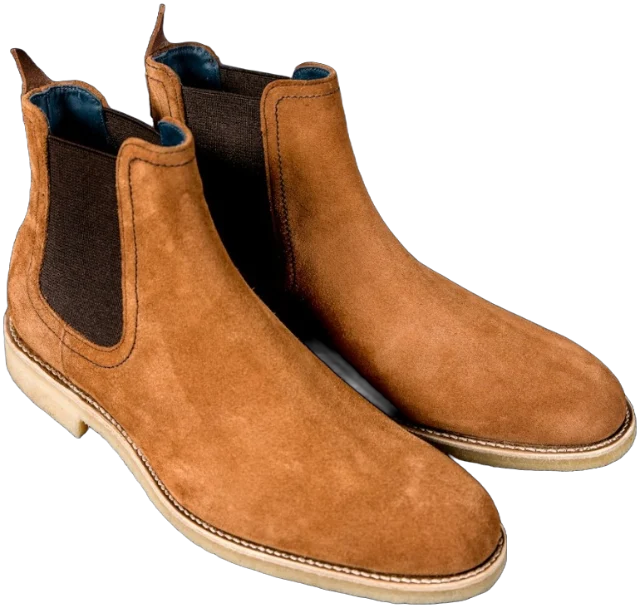
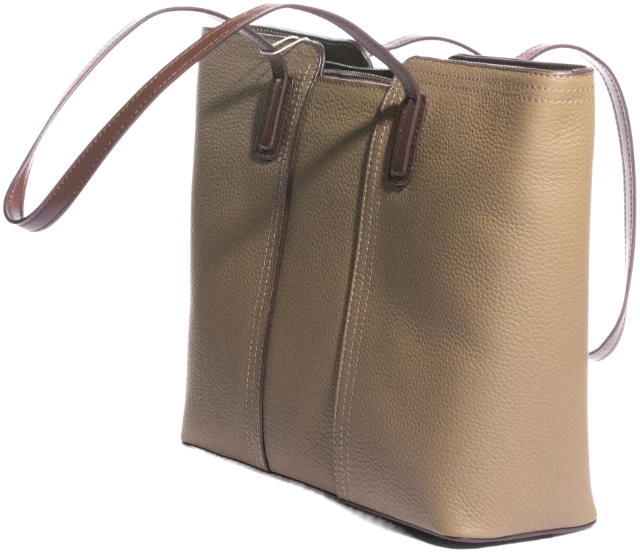
A sustainable wardrobe is mostly the one you already own, worn for longer. WRAP estimates that keeping clothes in active use for an extra nine months can cut their carbon, water and waste footprints by up to 20%. So the biggest wins are simple: buy less, choose pieces that last, look after them and pass them on.
Key takeaways
- Keeping clothes in use for longer is the biggest lever: WRAP estimates nine extra months of wear can cut a garment’s footprint by up to 20%.
- Restyle and repeat what you own before buying anything new.
- Price doesn’t predict durability; check fabric weight and seams instead.
- Second-hand and borrowing help most when they replace a new purchase.
- Don’t bin worn-out clothes: use a textile bank or take-back scheme.
What makes a wardrobe sustainable?
Recycled fibres and eco labels get the headlines, but the biggest factor is how long clothes stay in use. In its 2012 Valuing our clothes report, WRAP estimated that the average garment in the UK lasted 2.2 years. Its later work on clothing durability found that adding nine months of active use can cut a garment’s carbon, water and waste footprints by up to 20%. Few other single changes come close.
Globally, the trend has gone the other way. The Ellen MacArthur Foundation says clothing production roughly doubled over 15 years while clothing use, the number of times things are worn, fell by almost 40%. It estimates that every second, a truckload of clothing is landfilled or burned.
Closer to home, WRAP estimates the average person in the UK buys around 28 new items of clothing a year, and its 2022 research found about a quarter of what’s in our wardrobes hadn’t been worn for at least a year. That gap between buying and wearing is where a sustainable wardrobe starts. It doesn’t take a new wardrobe, a perfect one or a big budget; it takes using what’s there.
Wear what you already own
The most sustainable piece of clothing is the one already hanging up. Before thinking about what to buy, get more out of what you have.
- Restyle the unworn quarter. Pick five pieces you haven’t worn for months and build two outfits around each of them this month.
- Repeat outfits, happily. Wearing a favourite combination again is good style, not a lapse. There’s a whole case for it in our guide to tracking what you wear and outfit repeating.
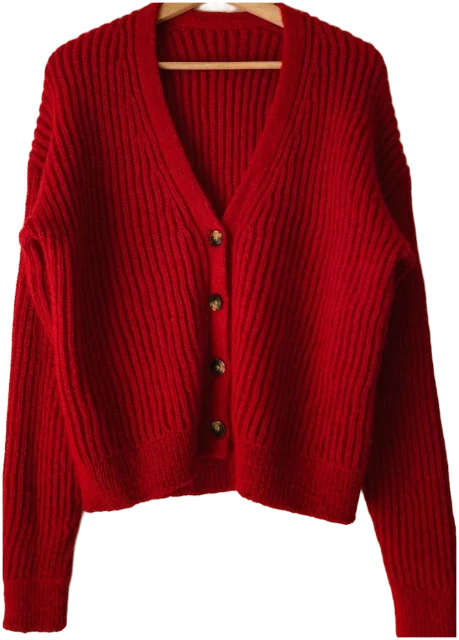
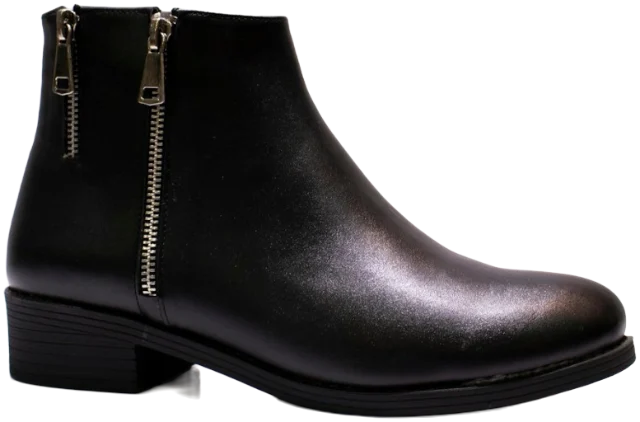
- Change one thing. The same dress reads differently with boots and a cardigan than with loafers and a blazer.
- Keep favourites in view. Clothes at the back of the wardrobe get forgotten. Bring a different section to the front each season.
- Fix the near-misses. A hem, a button or a waist taken in can turn a piece you avoid into one you reach for.
Buy less, and buy on purpose
Buying less doesn’t mean never buying. It means every purchase is a decision rather than a habit. These swaps make the difference.
| The habit | Swap it for |
|---|---|
| Browsing when you’re bored | Shopping only from a written list |
| Buying a new outfit for each event | Restyling, borrowing or swapping |
| Chasing a trend you’re unsure about | Waiting 30 days to see if you still want it |
| Cheap multiples of the same thing | One better piece you’ll wear every week |
| Ordering three sizes to try | Checking the measurements first |
| Replacing something that’s nearly fine | Repairing it |
A handy test is cost per wear: the price divided by the number of times you’ll realistically wear it. It rewards the jumper you’ll wear twice a week for years over the bargain you’ll wear once. Here’s how to work out cost per wear, and if you tend to buy on autopilot, start with our guide on how to stop impulse buying clothes.
Buy better (it doesn’t have to cost more)
“Buy quality” is easy to say and hard to act on, because price is a poor guide. In 2025, WRAP and the University of Leeds washed and tumble dried 47 T-shirts 50 times and found no correlation between price and durability. Six of the ten best performers cost under £15, while the most expensive, at £395, came 28th.
The same tests found heavier cotton T-shirts generally outlasted lightweight ones, and cotton blended with synthetic fibres performed well. Pilling, the study notes, is the number one reason people get rid of T-shirts. So when you’re in the shop:
- Feel the weight. Hold a T-shirt or knit up to the light. If you can see through it easily, it’s more likely to wear thin.
- Rub a hidden patch of the fabric against itself for a few seconds. If it fuzzes already, expect it to bobble.
- Check the seams. Gently pull either side of a seam. The stitches should stay tight, with no gaps or loose threads.
- Look for spare buttons and generous seam allowances, which make repairs and alterations possible later.
- Choose shapes you’ll still like in three years over a trend you’re only half sure of.
Care and repair: make clothes last
How you wash and store clothes matters as much as what you buy. And mending pays off: WRAP’s 2022 research found that when people repair an item of clothing, they typically keep it for a further 1.3 years.
- Wash less, and cooler. Air jumpers and jeans between wears, spot-clean small marks, and wash most everyday clothes at 30°C.
- Skip the tumble dryer where you can. In the T-shirt tests, tumble drying made cotton shrink more.
- Fold knitwear rather than hanging it, so the shoulders don’t stretch out of shape.
- De-bobble with a fabric shaver or a knitwear comb, and a tired jumper looks new again.
- Learn three repairs: sewing on a button, fixing a dropped hem and darning a small hole. For anything bigger, an alterations shop is often cheaper than replacing the piece.
- Protect wool from moths by storing it clean, in sealed bags or boxes, and checking the back of drawers each season.
Second-hand, swaps and borrowing
When you do need something, it doesn’t have to be new. WRAP’s 2025 study of second-hand buying estimates that buying a second-hand pair of jeans online instead of a new pair could save more than 30kg of CO2e.
The catch: second-hand only helps when it’s instead of new, not as well as. The same report notes that a second-hand purchase may not replace a new one if it was bought on impulse or on top of new clothes. Bring the same list and discipline you’d take to any shop; our second-hand shopping tips cover what to check before you pay.
For one-off events, borrowing is even better: nothing new is made at all. A friend’s dress for a wedding or a coat for a ski trip costs nothing but a thank you. Here’s how to organise clothes swaps and lending with friends.
When clothes reach the end of the road
Even well-loved clothes wear out, and what happens next matters. WRAP reported in 2024 that almost half (49%) of used textiles in the UK end up in the rubbish bin: around 35 items of unwanted textiles per person every year.
- Wearable and in good condition: sell it, swap it or give it to a friend first, then to a charity shop.
- Wearable but tired: keep it for gardening, decorating or the gym.
- Worn out: take it to a textile bank or a shop take-back scheme rather than the bin. Your council’s website will say what’s accepted locally.
- Beyond use: cut cotton into cleaning cloths before it goes anywhere.
Start a sustainable wardrobe in four weeks
You don’t need to overhaul everything at once. Try one change a week for a month and see what sticks.
- Week one: wear the forgotten. Every day, wear at least one piece you haven’t worn in three months.
- Week two: no new clothes. Notice when you feel the urge to buy, and what set it off.
- Week three: fix one thing. Sew the button, take the trousers to be hemmed, de-bobble the jumper.
- Week four: pass one bag on. Sell, swap or donate what you’re sure you won’t wear, and recycle what’s beyond wearing.
By the end of the month you’ll have a clearer idea of what you actually wear, and a much shorter list of what you genuinely need. A sustainable wardrobe is less a look than a habit: wear more, buy with care, and keep things moving when you’re done with them.
Then, if you want a structure that makes all of this easier, a smaller set of pieces that work together goes a long way. Here’s how to build a capsule wardrobe you’ll actually wear, with pieces chosen to last.
Questions
Is it more sustainable to buy expensive clothes?
Not necessarily. When WRAP and the University of Leeds tested 47 T-shirts, they found no correlation between price and durability. Fabric weight, construction and how often you’ll wear a piece matter more than the price tag.
How many clothes do I need for a sustainable wardrobe?
There’s no set number. A wardrobe is sustainable when most of it is worn often and kept for years; WRAP found the average UK adult owns 118 items, with about a quarter unworn for a year.
Should I throw away fast fashion to start again?
No. The most sustainable thing to do with clothes you already own is keep wearing them. Replace pieces as they wear out, and choose more carefully when you do.
What should I do with clothes that are too worn to donate?
Take them to a textile bank or a shop take-back scheme rather than putting them in the bin, and check your council’s website for what it accepts locally.
Sources
- Valuing our clothes: The true cost of how we design, use and dispose of clothing in the UK, WRAP
- Fashion and the circular economy: deep dive, Ellen MacArthur Foundation
- Price is irrelevant when it comes to the durability of your t-shirt, WRAP
- Nation’s wardrobes hold 1.6 billion items of unworn clothes, WRAP
- Displacement Rates Untangled: A Standardised Methodology, WRAP
- The price of our addiction to cheap fast fashion as pressure builds on UK second hand clothing market, WRAP
- Extending product lifetimes: WRAP’s work on clothing durability, WRAP