How to do a wardrobe audit and find what’s missing
Before you declutter or buy anything, take stock. A wardrobe audit tells you what you own, what earns its place and the few pieces that would make the rest work.
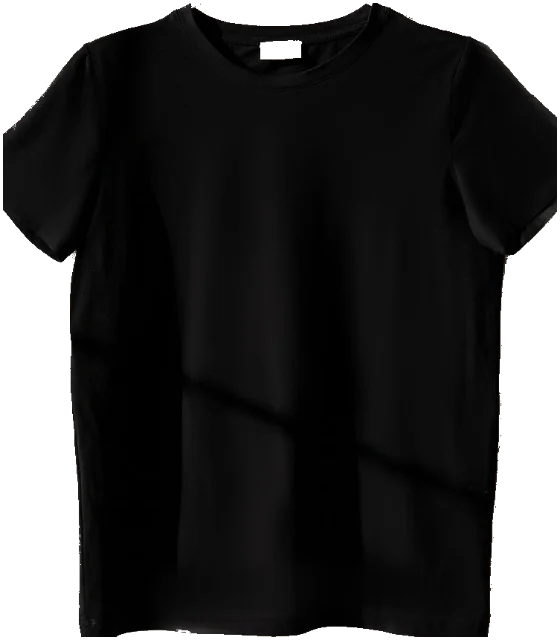
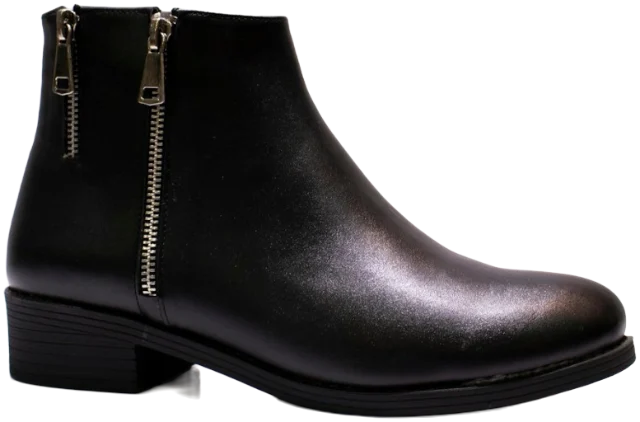
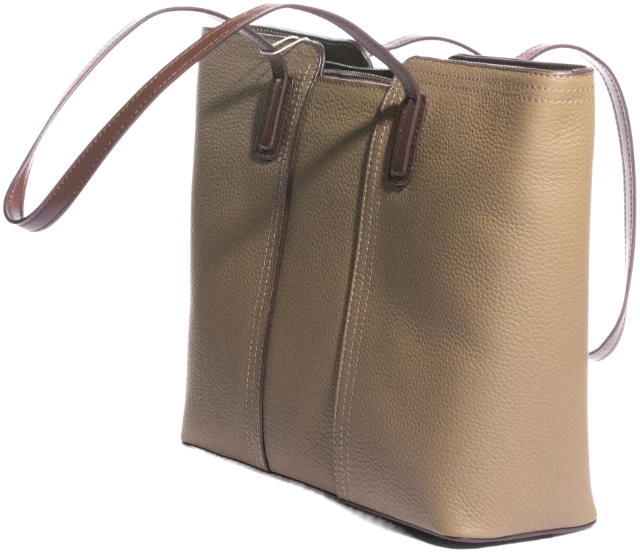
A wardrobe audit is a stock-take of your clothes: you count what you own, note what you actually wear, and check those pieces make complete outfits for the life you lead. It takes an afternoon and ends with two short lists: what to let go, and the few gaps genuinely worth buying.
Key takeaways
- An audit gathers information; decluttering and shopping come after it.
- Count everything, then give every unworn piece a reason it isn’t worn.
- Every piece you keep should make three outfits; anything that can’t is an orphan.
- Compare how you spend your time with what your wardrobe is dressed for.
- Finish with a ranked gap list of five items or fewer, bridge pieces first.
What is a wardrobe audit?
Think of the difference between tidying a shop and doing its stock-take. Decluttering is about getting rid of things. An audit is about information: what you have, what earns its place and what’s missing. You may well declutter afterwards, and here’s how to declutter your wardrobe without regret, but the audit comes first.
It’s worth doing because most of us own more than we use. WRAP’s 2022 research found the average UK adult has 118 items of clothing, and about a quarter of them (26%, or 31 items) hadn’t been worn for at least a year. Skirts and dresses were the most likely pieces to be owned but not worn. An audit tells you which 31 are yours, and why they’re sitting there.
Before you start
- Time: two to three hours for an average wardrobe. If that feels like a lot, do one category a weekend.
- Timing: a change of season is ideal. In October you’re swapping summer pieces for coats and knitwear anyway, so everything only gets handled once.
- Kit: a full-length mirror, daylight, your phone for notes and photos, sticky notes, and five bags or boxes labelled keep, repair, sell or swap, donate and unsure.
- Clean laundry: do the washing first, or you’ll leave out the very pieces you wear most.
Step 1: Take stock
Take everything out, including the drawers, the suitcase under the bed, the gym bag and the coats by the door. Group it by type and count each group. It sounds tedious; it’s also the moment most people see their pattern for the first time.
- Tops: T-shirts, shirts and blouses, knitwear.
- Bottoms: trousers, jeans, skirts, shorts.
- Dresses and jumpsuits.
- Layers: blazers, jackets, coats.
- Shoes, bags and belts.
- Everything else: sportswear, loungewear, occasion wear.
Write the numbers down, then look at the ratios. If you have, say, three times as many tops as bottoms but wear the same two pairs of trousers, that isn’t a top problem. It’s a bottoms gap that makes most of the tops hard to wear.
Step 2: Find out what you actually wear
Sort every piece into one of four groups: worn most weeks, worn sometimes, not worn in a year, and unsure. Be strict about the third group. “I wore it once in March” counts as sometimes; “I meant to wear it” doesn’t.
Then ask the useful question: why not? When WRAP asked UK adults, the most common answers were that a piece was only for occasions, that it no longer fitted or was uncomfortable, or that they liked it but it wasn’t a priority.
Give each unworn piece a reason on a sticky note. Each reason points to a different fix:
- Fit: alter it or let it go. Keeping clothes for a different body only makes getting dressed harder.
- Condition: repair it this month, or recycle it.
- Occasion only: keep a small, deliberate occasion section, and check each piece still fits and still feels like you.
- No partners: you like it, but nothing goes with it. It’s an orphan (see step 3).
- Not me: it suits someone, just not you. Sell, swap or donate it.
What to do with the unsure pile
Put anything you can’t decide on in one box, write today’s date on it and put it somewhere out of the way. If you haven’t gone looking for a piece in three months, you have your answer. If you have, it goes back in the wardrobe with a new outfit in mind, not back to the dark end of the rail.
Step 3: Test every piece in outfits
A wardrobe isn’t a collection of nice things; it’s a set of outfits. Take each piece you’re keeping and make three complete outfits with other things you own. Lay them out on the bed if trying everything on takes too long, and photograph the ones you like so you remember them.
Anything that can’t make three is an orphan. Note what it’s missing. Often it’s a single bridge piece: trousers in the right colour, a plain top in the right neckline, or a jacket that dresses it down. That bridge piece goes straight to the top of your gap list, because it unlocks clothes you’ve already paid for. For the maths of how far a few well-chosen pieces go, see how many outfits you can make from your wardrobe.
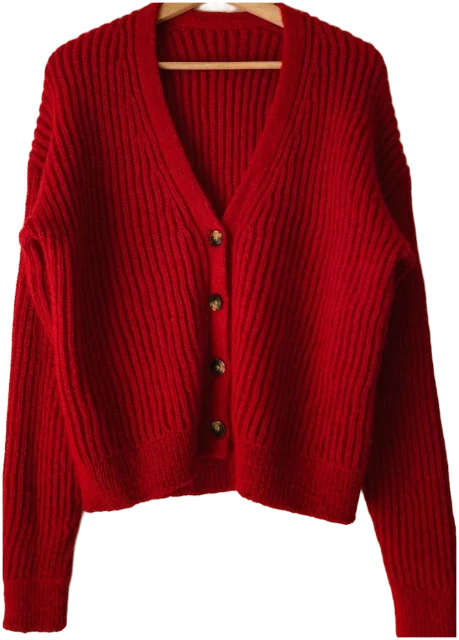
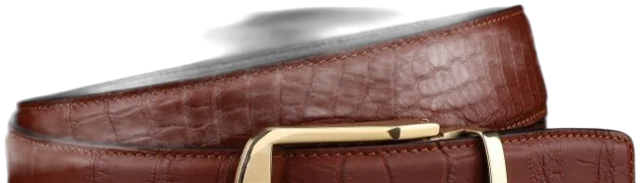
While you’re at it, look at colour. If almost everything sits in a few colours that work together, with one or two accents, getting dressed is easy. Pieces in a colour that nothing else matches are usually the orphans you just found.
Step 4: Match your wardrobe to your life
Most wardrobes are dressed for a life slightly different from the one we lead: more parties, fewer commutes, sunnier weekends. Estimate how you spend a typical fortnight, then compare it with what’s on the rail. Here’s an example.
| Part of life | Share of your time | Share of your wardrobe | What it tells you |
|---|---|---|---|
| Work, office or hybrid | 40% | 20% | A real gap: more work-ready pieces |
| Weekends and casual | 40% | 40% | About right |
| Exercise | 10% | 10% | Fine, if it all gets used |
| Evenings and occasions | 10% | 30% | Too much: stop buying here |
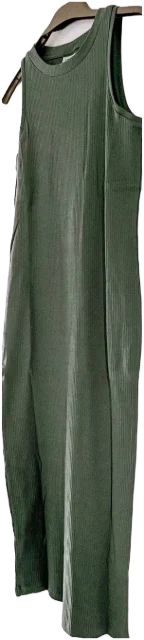
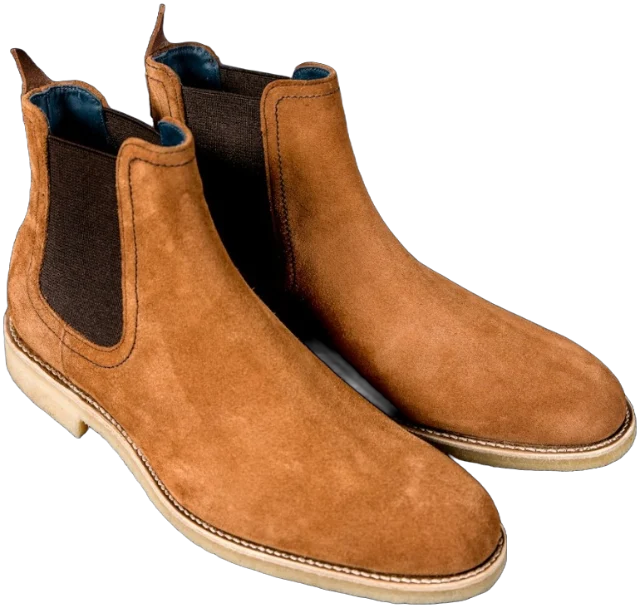
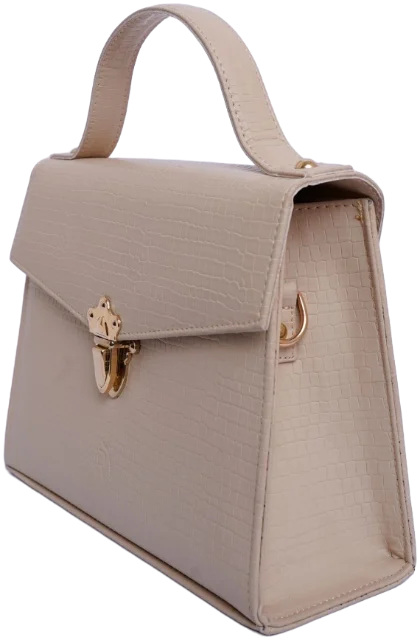
Then do the same for weather. In the UK you need pieces for a 5° wet morning, a 12° grey afternoon and the odd 25° day. If everything you love is for one of those, the other two are where you reach for the same tired outfit.
Step 5: Write your gap list
Now turn everything you’ve learned into a short, ranked shopping list. Keep it to five items at most, and be specific: not “trousers”, but “mid-grey straight-leg trousers for work, to go with my four shirts and both knits”.
- Bridge pieces first: anything that rescues an orphan or links two parts of your wardrobe.
- Then worn-out workhorses: replace the pieces you wear every week before they give up.
- Then life gaps: categories where your wardrobe doesn’t match how you spend your time.
- Wants last: fine to have, but they wait their turn.
Test the list before you shop
Run each item past three quick checks. Does it go with at least three things you already own? Does it suit the weather for more than one season? And would you still want it if it weren’t on offer? An item that fails any of them comes off the list, or gets rewritten until it passes.
Put rough budgets next to each line, too. Knowing you’ve set aside £60 for trousers makes it far easier to walk past a £45 jacket you hadn’t planned on.
If you want a sense of what a balanced wardrobe usually includes, check your list against a capsule wardrobe checklist. Before you buy anything on it, make sure it can make three outfits with what you already own. The list is also your best defence when a sale lands in your inbox; our guide on how to stop impulse buying clothes explains why.
How often should you do a wardrobe audit?
A full audit twice a year, as you move into autumn and into spring, is plenty for most people. Between times, a ten-minute check once a month keeps it current: what did you wear, what did you skip, and did anything new earn its place?
The audit gets quicker and more accurate when you keep a record as you go. Noting what you wear, even roughly, turns guesswork into numbers; here’s how to track what you wear without it becoming a chore. Those numbers also let you work out the cost per wear of anything you’re unsure about, which is often the nudge you need to keep it, or let it go.
Questions
How long does a wardrobe audit take?
Allow two to three hours for an average wardrobe if you do it in one go. You can also take one category a week, which takes about half an hour each time.
How many clothes should I own?
There’s no right number. WRAP found the average UK adult owns 118 items of clothing; what matters is that most of yours get worn and that they make outfits for the life you actually lead.
Should I keep clothes that don’t fit?
Keep them only if they’ll fit again soon, for example after pregnancy, or if a tailor can alter them. Otherwise they take space and attention from clothes that work for you now.
What should I do with clothes I don’t want after an audit?
Sell or swap pieces in good condition, donate the rest to a charity shop, and take worn-out textiles to a textile bank or take-back scheme rather than putting them in the bin.