How to find clothes from a picture or screenshot
You saw the perfect coat in a video, a street-style photo or a friend’s holiday snap. Here’s how to track it down, or something just as good, without getting stung.
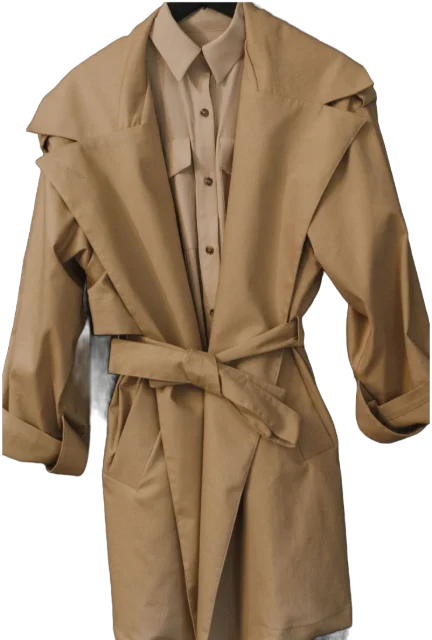
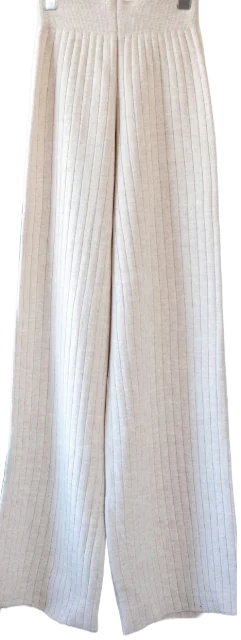
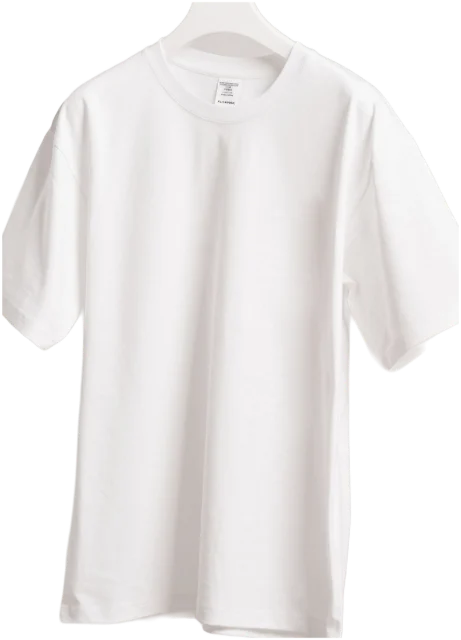
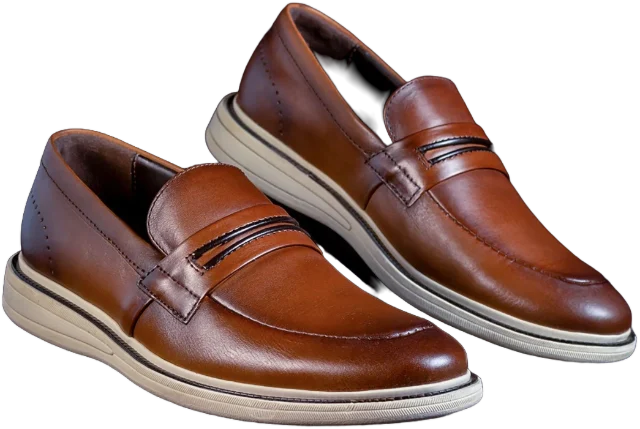
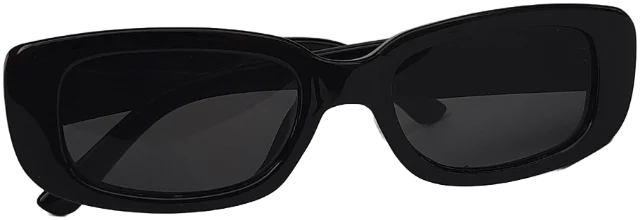
To find clothes from a picture, crop a screenshot tightly around one piece and run it through a visual search, such as your search engine’s image search or the visual look-up in your phone’s photos. Compare the matches on details like the collar, buttons and seams, then buy only from a seller you can check out.
Key takeaways
- Screenshot the sharpest frame, then crop tightly to one piece before you search.
- Add words the picture can’t show: fabric, fit, colour, menswear or womenswear.
- Compare collars, buttons, pockets and seams; looking similar at a glance isn’t a match.
- Check measurements and fibre content against a piece you own that fits.
- Treat too-low prices, countdown clocks and untraceable reviews as red flags.
How visual search works
Visual search compares the shapes, colours and patterns in your picture with millions of product photos, and returns the closest-looking ones. It doesn’t read labels or know who made a piece; it finds things that look alike. That’s why it’s brilliant for “something like this” and only sometimes right about “this exact one”.
It has become an everyday way to shop. Google said in October 2024 that its visual search is used for nearly 20 billion searches a month, and that 20% of them are shopping-related.
What you put in decides what comes out. A tight, sharp, well-lit crop of one piece beats a blurry full-length photo every time.
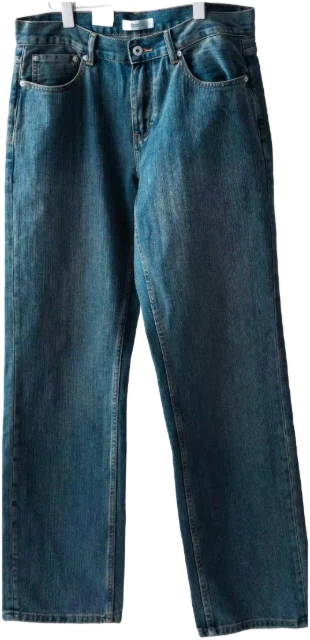
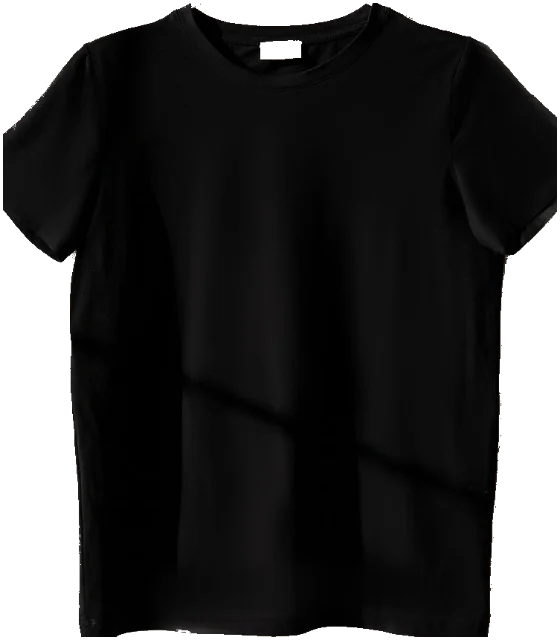
It’s also worth knowing what visual search is bad at. Plain basics, like a black T-shirt or straight blue jeans, return thousands of near-identical results, so words and filters work better for those. And no picture can tell you how heavy a fabric is or how a piece is cut, which is why the checks further down matter.
How to find clothes from a picture or screenshot, step by step
- Get the best frame. If it’s a video, pause where the piece is sharpest and most fully in view, then take a screenshot. A screenshot beats a photo of your screen, which adds glare and blur.
- Crop to one piece. Cut out the face, the background and the other clothes. A coat search works best with only the coat in the frame.
- Run the visual search. Use your search engine’s image search, your phone’s built-in visual look-up, or the visual search in a shopping app.
- Add words. Most visual searches let you add text. Describe what the picture can’t show: “wool”, “double-breasted”, “men’s”, “wide-leg”, “camel”.
- Check the details. Compare collar shape, number of buttons, pocket placement, hem length and stitching. Two coats that look the same at a glance often aren’t.
- Search the name. Once you have a likely product name, search it in words to compare sellers, prices and stock.
Tips for better results
When the photo is dark or filtered
Filters and dim light shift colour, and visual search matches what it sees, so a navy coat can come back as black. Search for the shape and details first, then pick the colour from the seller’s own photos.
When the piece is partly hidden
Crop to the clearest part, such as a collar or a distinctive print, and add words for the rest: “long”, “belted”, “midi”.
When it’s from social media
Check the caption, tags and comments first. People often say what they’re wearing, and someone has usually asked already.
When it’s vintage or last season
Visual search leans towards what’s on sale now. Search the product name on second-hand marketplaces too; our second-hand shopping tips cover how to buy well there.
When it might be from the other section
Don’t filter by menswear or womenswear too early. The same shape is often sold in both, in different sizes; here’s how to convert women’s to men’s clothing sizes and back.
Finding clothes from a photo you took yourself
Not every find starts on a screen. If you snapped a coat in a shop window or a piece a friend was wearing, a few habits help:
- Just ask. A friend will tell you where it’s from, and most strangers are flattered to be asked.
- Shoot shop windows at a slight angle to cut down on reflections, and get close enough that the piece fills most of the frame.
- Photograph the label when you can, in a shop or a friend’s home. The fibre content and size are as useful as the name.
- Take two photos: one of the whole piece for the search, and one close-up of a detail such as buttons, a print or the stitching, to check matches against.
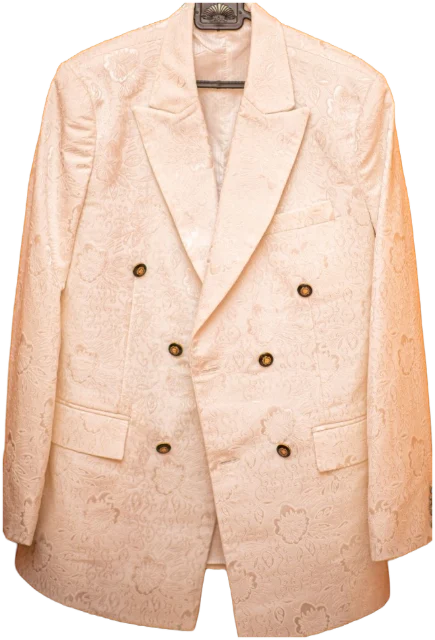
Exact match, close match or dupe?
Visual search results mix several kinds of match. Know which one you’re looking at:
| Result | What it means | What to check |
|---|---|---|
| Exact piece, original seller | The one in the picture | Size, stock and price |
| Exact piece, resold | The same item, second-hand or from another shop | Condition, seller reviews and that it’s genuine |
| Close match | The same idea from a different maker | Fabric, details and measurements |
| Dupe | A cheaper lookalike without the original’s branding | Quality, fit, and whether it’s worth it at all |
| Counterfeit | A copy using the original’s logo or name | Nothing: don’t buy it |
A close match or a good dupe is often the smart buy, especially when the original has sold out. Our guide to finding dupes legally and well covers how to judge them.
Check the fit before you buy
The person in the picture is not your size guide. A coat that looks oversized on them may be their usual size on a different frame, or pinned at the back for the photo. Before you buy:
- Find a piece you own that fits the way you want, and measure it laid flat: armpit to armpit, length and sleeve, plus the waist, rise and inside leg for trousers.
- Compare those numbers with the product’s measurements, not just the size on the label.
- Read the fibre content. A wool coat and a polyester one can look identical in a photo and feel nothing alike.
- Check the returns policy before you pay. When you buy online from a business, you normally have 14 days from delivery to cancel, though some exceptions apply.
Avoiding fakes and copycat shops
Visual search will happily show you a fake or a dodgy shop next to the real thing, and fakes are getting harder to spot. When Which? bought suspected counterfeits from online marketplaces in 2025, it found many looked almost identical to the genuine items. The Intellectual Property Office’s latest survey, published in 2026, found that 17% of UK adults have bought a counterfeit by accident, rising to 31% of 18 to 24-year-olds.
Copycat shops are the other trap. A 2026 Which? investigation into online fashion boutiques that present themselves as independent UK businesses found they often hold no stock and ship from overseas suppliers, with identical products sold elsewhere, sometimes for about a quarter of the price. Red flags:
- A price far below what the original sells for, or a piece listed as “new” on a second-hand site at a price that makes no sense.
- Countdown clocks and sales that reset every day.
- Emotional “closing down” stories, especially with photos that look AI-generated.
- Huge review counts you can’t find anywhere else.
- A site that claims a long history but looks brand new, or returns that must be posted overseas at your cost.
Run the shop’s own product photo through a visual search. If the same photo turns up on a marketplace for much less, you’ve learned something useful. And if you’ve already paid and something’s wrong, contact your bank or card provider quickly.
Before you buy, pause
Finding a piece is a thrill, and thrills are how impulse buys happen. Save the screenshot and the link, wait a couple of days, and picture it with three things you already own. If you can’t, it probably isn’t for you. A quick wardrobe audit will tell you whether it fills a real gap, and our guide to how to stop impulse buying clothes has more ways to make the pause stick.
Questions
Can I find clothes from a video on social media?
Yes. Pause on the sharpest frame where the whole piece is visible, take a screenshot and crop it to that piece before searching. Check the caption and comments too, as people often list what they’re wearing.
Why does visual search show the wrong colour?
Lighting, filters and screen settings change how colours look in a photo, and visual search matches what it sees. Search by shape and details first, then choose the colour from the seller’s own photos.
Is it safe to buy from a shop I found through image search?
It can be, but check first: a real address, a clear returns policy, reviews on independent sites and a price that isn’t too good to be true. Paying by card gives you more ways to get your money back than a bank transfer.
What if the piece has sold out?
Search its exact name on second-hand marketplaces, set up a saved search if the site offers one, and look at close matches from other makers. A good dupe can be the better buy anyway.
Sources
- 3 ways visual search helps you shop, Google
- The Consumer Contracts (Information, Cancellation and Additional Charges) Regulations 2013, regulation 30, legislation.gov.uk
- Shoppers’ safety at risk from high-end fakes as Which? calls for urgent overhaul of enforcement system, Which?
- IPO counterfeit goods research: wave 5, Intellectual Property Office
- The shopping sites that are misleading customers, Which?