Clothes swap and lending: how to share clothes with friends
Somewhere in your friends’ wardrobes is the jacket you were about to buy. Here’s how to swap, lend and borrow so everyone gets more to wear and nobody falls out.

A clothes swap is a get-together where everyone brings clean, wearable clothes they no longer wear and takes home pieces from others, for free. To run one well, invite a mix of sizes, set simple rules on quality and quantity, use a fair way to choose, and give the leftovers to charity. Lending between friends needs the same clarity.
Key takeaways
- Invite a range of sizes, and label rails by fit and measurements rather than by men’s and women’s sections.
- Nothing is taken until the swap opens; tokens or rounds keep it fair.
- Before lending, agree when it comes back, how it comes back and what happens if it’s damaged.
- Good borrowers return things on time, cleaned as agreed, and own up to damage straight away.
- Leftovers go to a charity shop or a textile bank, never the bin.
In the UK, swap parties often go by the name swishing. This guide covers how to host one, the etiquette that keeps it friendly, and how to lend, borrow and give clothes away without anyone ending up out of pocket or out of sorts.
Why swap, lend and borrow clothes?
Because the clothes are already out there, unworn. WRAP estimates UK wardrobes hold 1.6 billion items of clothing that haven’t been worn for at least a year, about a quarter of the average adult’s clothes. The most common reason people gave was that a piece is “for occasions only”, which is exactly the kind of thing that’s perfect to borrow.
Plenty of people are already doing it. A poll for the North London Waste Authority found one in two people aged 16 to 30 bought second-hand, swapped or borrowed more in 2020 than in 2019.
- It’s free. New-to-you clothes without spending anything.
- It’s a test drive. Borrow the wide trousers before you buy your own. If you never reach for them, you’ve saved the money; it’s one of the best ways to stop impulse buying clothes.
- Clothes get worn. The coat that never suited you finally gets a winter.
- It’s sociable. A swap is a party with a purpose, and the best kind of second-hand shopping: you know where everything has been.
How to host a clothes swap
- Invite the right mix. Eight to fifteen people suits a living room: enough variety without a scrum at the rails. Invite a range of sizes and styles, and don’t split the guest list by gender. Many people shop across both sections, and our guide to shopping across menswear and womenswear explains how sizes translate.
- Give two or three weeks’ notice, with the rules in the invitation, so people have time to go through their wardrobes properly.
- Set a number. Ask everyone to bring between three and ten good pieces. Fewer than three and there’s little to choose from; more than ten and the rails turn into a jumble sale.
- Collect in advance if you can. Worcestershire County Council’s swishing guide suggests asking people to drop things off beforehand, so you can hang everything before anyone arrives.
- Set up the room. Clothes rails or a cleared wardrobe, plenty of hangers, a table for shoes and bags, a full-length mirror and somewhere private to try things on. Group by type, and label sections by measurements or fit (waist, chest, inside leg, shoe size) rather than by size labels, which vary from shop to shop.
- Open at a set time. Nobody claims anything before the swap starts. It’s the single rule that stops early arrivals taking the best coat.
- Plan for the leftovers. Agree beforehand that whatever isn’t taken goes to a charity shop the next day, and anything worn out goes to a textile bank.
Choosing fairly
How people pick matters more than anything else on the night. Choose a format to suit the group:
| Format | How it works | Best for | Watch out for |
|---|---|---|---|
| Free-for-all | Once the swap opens, everyone takes what they like | Small groups of close friends | The quickest grabbers do best |
| Tokens | One token for each piece you bring; spend a token on each piece you take | Bigger groups and friends of friends | Someone has to hand out tokens at the door |
| Rounds | Draw names; each person picks one piece per round, then a free-for-all at the end | Groups with a few star pieces | Slower, so keep the rounds brisk |
| Online swap | Post photos in a group chat; claim by reply or by draw | Friends who live apart | Postage and handovers take organising |
Worcestershire’s guide suggests exactly this kind of token system, one token per piece brought, and it works just as well at home once you’re past a dozen people.
Clothes swap rules and etiquette
- Bring what you’d give a friend. Clean, no stains, holes, missing buttons or broken zips. If it needs mending, mend it first or leave it at home.
- No worn underwear, socks or swimwear. New with tags is fine.
- Shoes and bags are welcome if they’re clean and in good shape.
- Try before you take. One armful at a time, and put back what doesn’t work.
- Take what you’ll wear, not what you might sell. A swap among friends isn’t stock for a resale side hustle.
- Everything goes as it is. If you run swaps regularly, the Worcestershire guide suggests a short disclaimer that swapped items come with no guarantee, so nobody is blamed when a seam goes later.
- Don’t take it personally. If nobody picks your blouse, it isn’t a verdict on your taste.
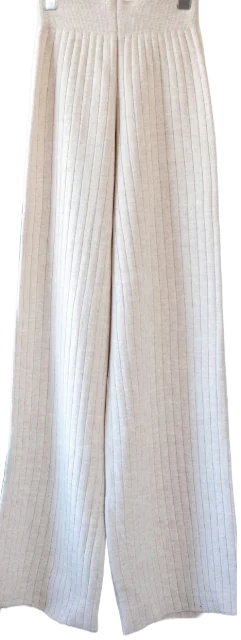
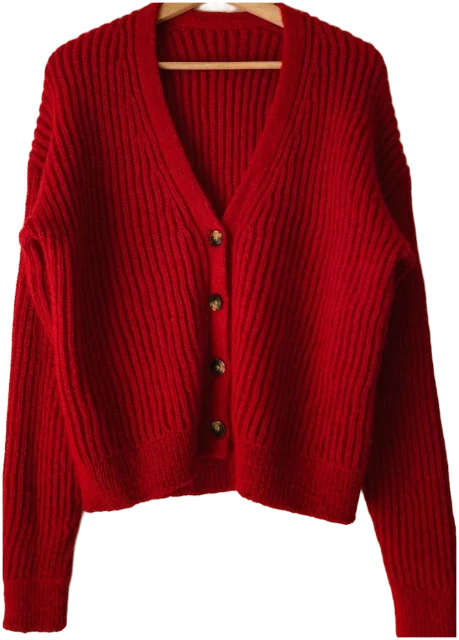
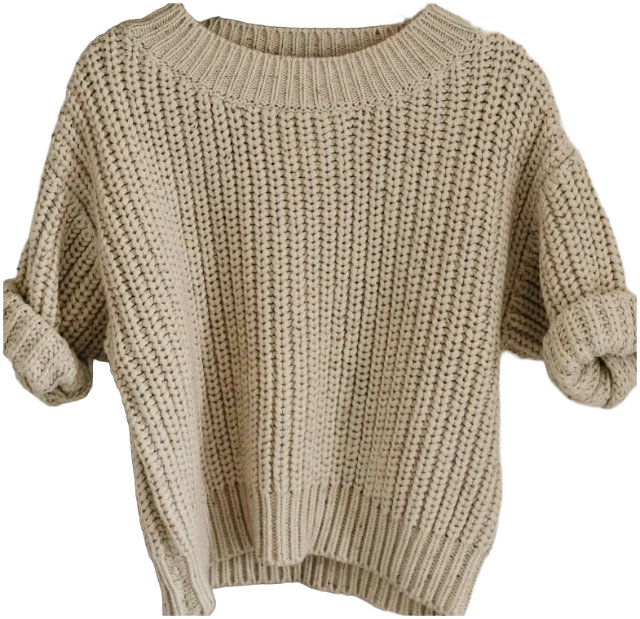
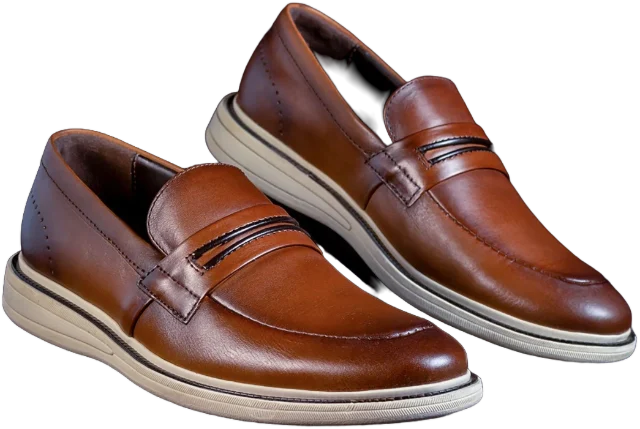
How to lend clothes without falling out
Lending goes wrong when people assume. Before anything leaves your wardrobe, agree three things:
- When it comes back. A date, not “after the wedding”.
- How it comes back. Washed, dry-cleaned or exactly as it is. For delicate or dry-clean-only pieces, it’s often easier to ask for it back as it is and clean it yourself.
- What happens if it’s damaged. Light wear is part of lending. A stain that won’t shift or a torn lining is a different matter.
It can be one friendly message:
Of course, borrow it. Can I have it back by Sunday the 25th? It’s dry-clean only, so just bring it back as it is and I’ll sort it.
- Lend only what you could bear to see slightly worn. If it’s irreplaceable, keep it.
- Lend in fit. If it will be stretched on your friend, it may stay stretched.
- Check pockets and note any marks before it goes, so nobody is blamed for an old one.
- Keep a list of what’s out and with whom. A note on your phone will do.
How to borrow clothes like a good friend
- Ask for a specific piece for a specific date, and take a no gracefully.
- Collect it and return it yourself. Don’t make the lender chase you.
- Treat it better than your own. Follow the care label, and if you’re unsure how to clean it, ask rather than guess.
- Return it on time, in the condition you agreed, with a thank-you. A coffee or a photo of you wearing it goes a long way.
- Own up straight away if something goes wrong, and offer to pay for the repair or cleaning before you’re asked.
- Never lend it on. It isn’t yours to pass round.
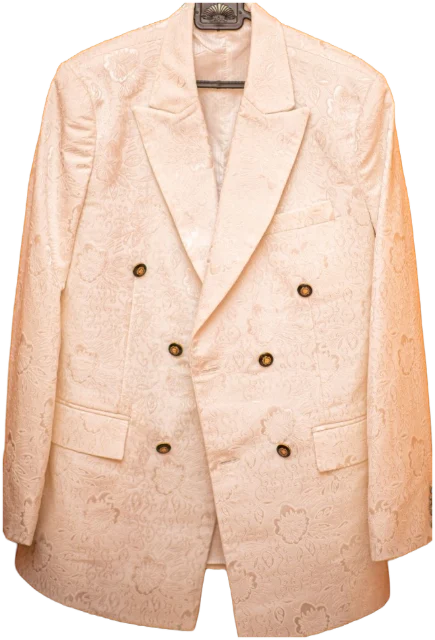
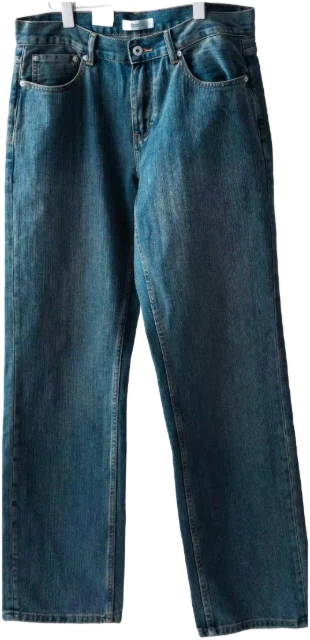
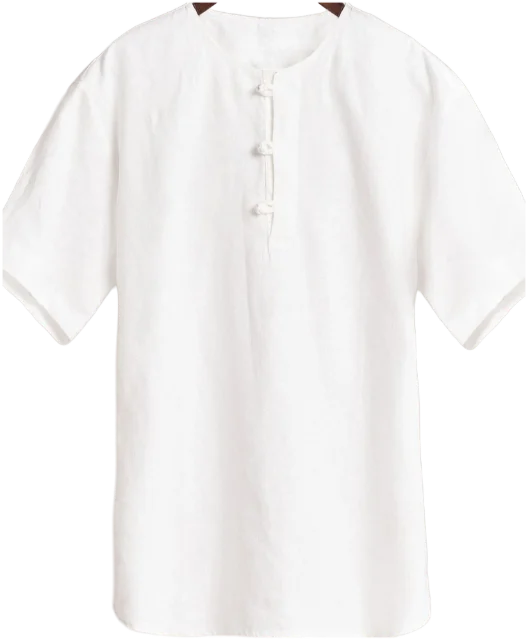
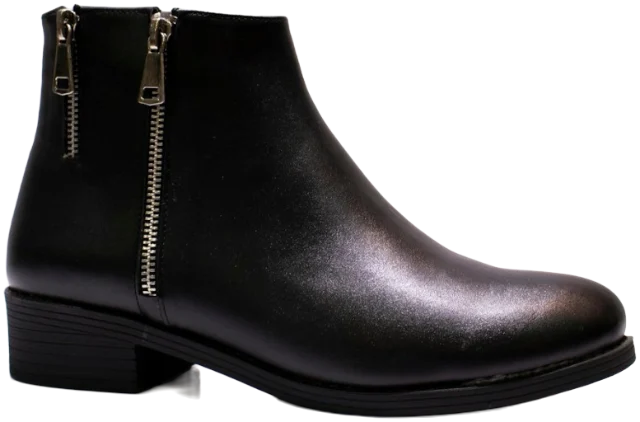
Giving clothes away gracefully
Gifting clothes is lovely when it’s an offer and awkward when it’s an obligation.
- Offer, don’t impose. “I’m clearing out, want first look?” lets people say no without guilt.
- Give in good condition. Washed, mended and on a hanger beats a bin bag on the doorstep.
- No strings. Once it’s given, it’s theirs to wear, alter, swap or pass on. Don’t ask whether they’ve worn it yet.
- Give first refusal to the right person. The friend who always admired that coat should hear about it before it goes to the charity shop.
If you’re giving things away because of a big clear-out, our guide on how to declutter your wardrobe helps you decide what stays first.
Swapping with friends further away, or at work
A swap doesn’t need a living room. For friends spread around the country, a group chat works: post daylight photos with measurements, claim by reply or by a draw for popular pieces, and agree upfront who pays for postage.
At work, a clothes rail in a meeting room for a week makes an easy swap. People drop pieces on Monday, browse at lunchtime and take what they like on Friday, and someone volunteers to take the leftovers to a charity shop.
However you do it, swapping and lending are part of a bigger habit: wearing more of what already exists. If that appeals, read our guide to how to buy less and wear more.
Questions
What is swishing?
Swishing is a common UK name for a clothes swap party. Everyone brings good-quality clothes, shoes or accessories they no longer wear and swaps them for other people’s, often using tokens to keep it fair.
What should you not bring to a clothes swap?
Anything stained, torn, heavily bobbled or broken, plus worn underwear and swimwear. If you wouldn’t hand it to a friend as a present, take it to a textile bank instead.
What happens if someone damages clothes you lent them?
Ideally you agreed this before lending. Light wear is part of lending; real damage usually means the borrower pays for the repair or cleaning, or puts money towards a replacement.
Can men and women swap at the same clothes swap?
Yes. Plenty of people shop across menswear and womenswear, so sort rails by type of piece and label them by measurements or fit rather than by section. Everyone gets more to choose from.
Sources
- Nation’s wardrobes hold 1.6 billion items of unworn clothes, WRAP
- Young Brits shift to thrift, North London Waste Authority
- How to hold your own swishing party, Worcestershire County Council