Full wardrobe, nothing to wear? Why it happens and how to fix it
A rail full of clothes and nothing to put on is one of the most common style problems there is. It’s rarely about owning too little, and it’s fixable in a morning.
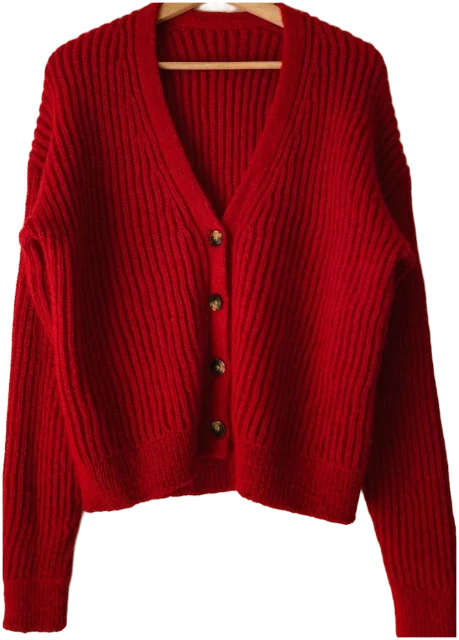
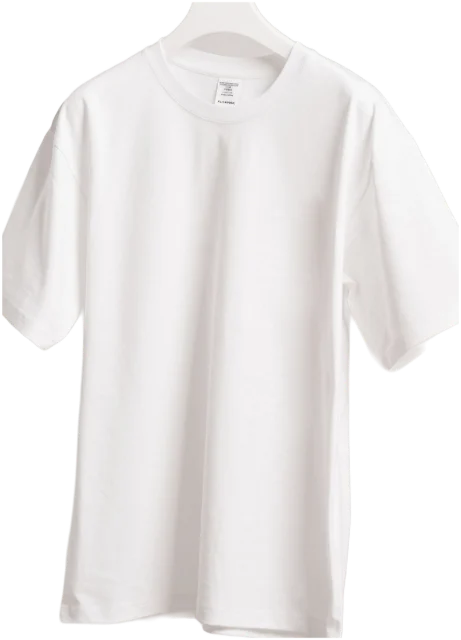
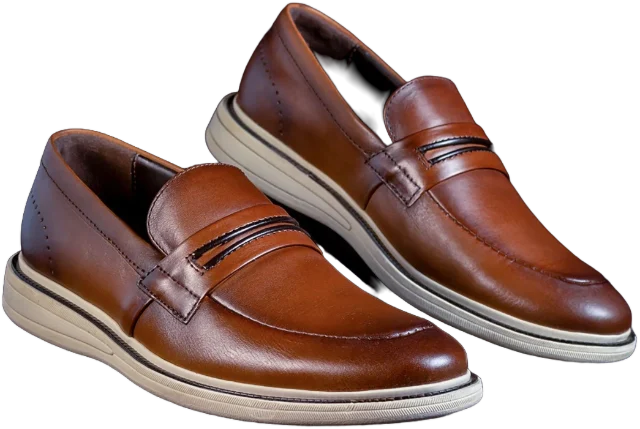
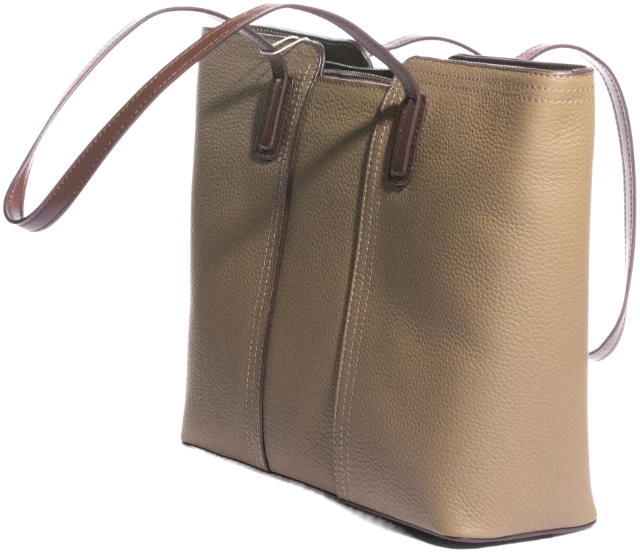
Feeling you have nothing to wear when your wardrobe is full is rarely about owning too few clothes. Usually the pieces don’t work together, don’t suit the life you lead now, or are hidden behind each other. The fix is to find the outfits you already rely on, spot the real gaps, and only then buy what links the rest.
Key takeaways
- A full wardrobe with nothing to wear is usually a mismatch, not a shortage: WRAP found about a quarter of UK adults’ clothes had gone unworn for a year.
- On a bad morning, fix one point (a piece or the shoes), use a simple formula, add a third piece and make only one change.
- Find hidden outfits by building three looks around each neglected piece and photographing the ones that work.
- Edit and organise for the life you lead now, and fill only the gaps you can name.
- Only buy something new if it makes three outfits with clothes you already own.
This guide has two parts: a quick rescue for the morning you’re standing in front of the rail right now, and a longer fix so the feeling stops coming back every week.
Why you have nothing to wear with a full wardrobe
You’re not imagining the full wardrobe. A 2022 survey by WRAP, the UK sustainability charity, found the average adult keeps upwards of 118 items of clothing, counting socks and underwear, and that 26% of them, about 31 pieces, hadn’t been worn for at least a year (WRAP).
The main reasons people gave are telling: a piece was “for occasions only”, it was no longer a good or comfortable fit, or they liked it but it wasn’t a priority. Skirts and dresses were the pieces most likely to be owned but not worn. The clothes are there; they just don’t match the days you actually have.
There’s a bigger pattern behind it. The Ellen MacArthur Foundation reports that clothing production has roughly doubled in 15 years, while clothing use, meaning how often each piece gets worn, has fallen by almost 40% (Ellen MacArthur Foundation). More coming in and less being worn is the recipe for a crowded rail and an empty feeling.
Most cases come down to one of the causes below. Find the line that sounds like you and start there.
| What you say | What’s usually going on | First fix |
|---|---|---|
| “Nothing goes with anything.” | Statement pieces with no plain basics to pair them with | Add one connector: a plain top, neutral trousers or a simple knit |
| “I wear the same five things.” | Those five suit your life; much of the rest doesn’t | Work out why the five work and let that guide what stays |
| “It doesn’t fit any more.” | Fit, one of the main reasons clothes go unworn | Alter it, store it for a season, or pass it on |
| “That’s for special occasions.” | Pieces bought for one kind of day | Dress it down with a knit, flat shoes or a coat |
| “I forgot I had that.” | Clothes you can’t see | Organise so every piece is visible |
| “Nothing works in this weather.” | Missing layers for in-between temperatures | Add a light layer and a coat that copes with rain |
| “I just can’t decide.” | Too many options and too little time | Decide the night before, or use a formula |
Sometimes the problem isn’t the wardrobe at all. If your body has changed, or you’re tired, stressed or low, nothing will feel right. On those days, choose comfort and fit over ambition: clothes that fit you now, in colours you like, and one piece you love. It’s a bad morning, not a verdict on your clothes or on you.
What to wear when you have nothing to wear: the ten-minute fix
When it’s 7.40am and the bed is covered in rejected options, don’t try to solve your whole wardrobe. Solve today.
- Check two things. The forecast for the hours you’ll be outside, and the most demanding thing in your diary. Dress for that, not for every possible plan.
- Fix one point. Start with a single piece you want to wear, or the shoes the day requires. One fixed point turns a rail of options into a handful.
- Use a formula. Top, trousers or skirt, shoes, plus one finishing piece. Our guide to outfit formulas that always work has a dozen to borrow.
- Keep the colours calm. Two neutrals and at most one colour. Black, navy, grey, cream, camel, brown and denim all count as neutrals here.
- Add the third piece. A jacket, cardigan, belt or good bag is what turns clothes into an outfit. If you own a blazer, here’s how to style a blazer with almost anything.
- Make one change, then stop. Look in the mirror, swap one thing if it isn’t right, and leave. The second and third swaps are where mornings disappear.
Why more clothes can make choosing harder
It sounds backwards, but owning more can make the morning worse. A 2015 review that pooled 99 findings from earlier experiments concluded that large assortments make choosing harder under particular conditions: when the options are complex, the decision is difficult, you’re unsure what you want, and you want to spend as little effort as possible (Chernev, Böckenholt and Goodman).
That’s a fair description of a weekday morning. Every outfit bundles five or six decisions, you’re half awake, and you want it done. So the answer isn’t necessarily fewer clothes. It’s fewer decisions at the moment you get dressed.
- Pre-decide. Choose tomorrow’s outfit tonight, or plan the whole week on Sunday with our method for planning outfits for the week.
- Narrow the field. Move out-of-season clothes to a box or the back of the wardrobe, so the rail only shows what works this month.
- Repeat on purpose. A handful of go-to combinations isn’t a rut. It’s a system that frees your attention for the rest of the day.
Find the outfits already hiding in your wardrobe
Most people own far more outfits than they’ve ever worn, because they only ever try a few combinations. Even a small wardrobe multiplies quickly: five tops, three pairs of trousers and two pairs of shoes make 30 combinations before you add a single layer. We do the full sums in how many outfits you can make from your wardrobe.
To find yours, block out an hour for an outfit session:
- Pull out ten pieces you rarely wear but would like to.
- For each one, build three outfits using only clothes you own. Try them on; hangers lie.
- Photograph every outfit that works, in a mirror or laid flat on the bed. Those pictures are your menu for the next month.
- If a piece can’t make three outfits, note what’s missing: a top in a certain colour, or shoes of a certain dressiness. That’s your shopping list, if you need one.
- If it can’t make even one, ask whether it fits, and whether it suits your life now or an imagined one. Then decide its future honestly.
Give occasion pieces extra attention, since “for occasions only” was one of the main reasons in WRAP’s survey for clothes going unworn. A midi or column dress becomes daywear with a jumper over it, flat boots and a coat. A sequinned top works with a big knit cardigan and jeans. If a piece only comes out for weddings, it’s worth finding it a second job.
Fix the wardrobe, not just the morning
Once you can get dressed, make it easier next time. There are three jobs, best done in this order.
1. Edit for the life you have
Sketch out a normal fortnight: perhaps six office days, four at home and four weekend days, one with something social. Then sort your wardrobe roughly into the same groups. If half of it is for evenings you have twice a month, you’ve found the mismatch. Keep a small occasion section and build the rest around your ordinary days.
Be practical about fit. Trousers that are slightly long or a jacket that’s loose at the waist can often be altered by a local tailor or alterations shop. Pieces that are too small and unlikely to fit soon can be sold, swapped or donated so someone else wears them.
2. Make everything visible
If you can’t see it, you don’t own it at 7am. Hang what creases, fold knits so they don’t stretch, and keep shoes where you can see every pair. Folding drawer contents upright, like files, shows every piece at once rather than just the top layer. A single hook or rail section for this week’s outfits helps too.
3. Fill only the gaps you can name
The most common gaps aren’t exciting: a plain top in a colour you wear often, trousers that go with most of your tops, a layer for 10–15°C days, and a coat that handles drizzle. If cold or wet mornings are where it falls apart, our guides to what to wear by temperature and what to wear in the rain cover the layers in detail.
Before you buy anything new
When nothing feels right, shopping feels like the cure. WRAP’s survey found 45% of people buy clothes at least once a month, and around one in eight buy weekly, even with a quarter of their wardrobe sitting unworn. A new piece only helps if it unlocks outfits you can’t make now.
Run three checks first:
- The three-outfit test. Can you name three outfits it makes with clothes you already own? If not, it’s likely to become another piece that goes with nothing.
- The real-life test. Will you wear it on an ordinary day, in the weather you actually get?
- The duplicate test. Do you already own something that does the same job? Sometimes a second pair of your favourite trousers is exactly right, but make it a choice rather than an accident.
In Closetboard you can add a piece you’re considering to your wish list and see it in outfits with what you already own before you buy, which makes the three-outfit test quick.
How to stop the feeling coming back
- Plan a few days ahead. Even three outfits chosen on Sunday take the pressure off the busiest mornings.
- Keep a note of what you wear. A month of notes shows your real favourites, and the pieces you never reach for.
- Repeat without guilt. Wearing a good outfit again is the whole point of owning it.
- Review at each change of season. When you swap summer and winter clothes, ask of every piece: did I wear it, and if not, why not?
- Add slowly. One well-chosen piece that makes five outfits does more than five pieces that make one each.
Questions
How many clothes does the average person own?
A 2022 survey by WRAP found the average UK adult owns upwards of 118 items of clothing, including underwear, socks and hosiery, and that about a quarter of them hadn’t been worn for at least a year.
Is it normal to wear the same clothes over and over?
Yes. Most people rely on a small group of favourites, and repeating a good outfit is sensible. The more useful question is why the rest of your wardrobe isn’t getting worn.
Should I get rid of clothes I haven’t worn for a year?
Not automatically. First check whether the piece fits, could be altered, or could be worn a different way. If it still won’t be worn, sell, swap or donate it rather than throwing it away.
Why do I suddenly hate all my clothes?
Usually your life, body or taste has moved on and the wardrobe hasn’t caught up. Note which pieces you still enjoy and why, and build from those rather than replacing everything at once.
Sources
- Nation’s wardrobes hold 1.6 billion items of unworn clothes, WRAP
- Fashion and the circular economy: deep dive, Ellen MacArthur Foundation
- When product assortment leads to choice overload: a conceptual review and meta-analysis, Journal of Consumer Psychology (Chernev, Böckenholt and Goodman, 2015), via Kellogg School of Management