How to find dupes of clothes you love, legally and well
A good dupe gets you the look for less. A bad one is a worse version of something you’ll stop wearing by spring. Here’s how to tell them apart.
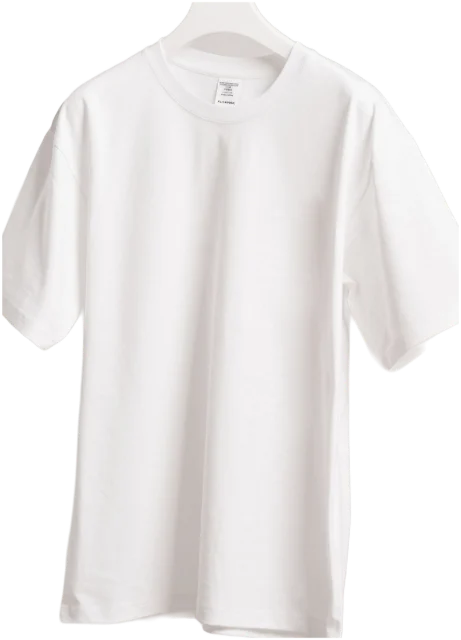
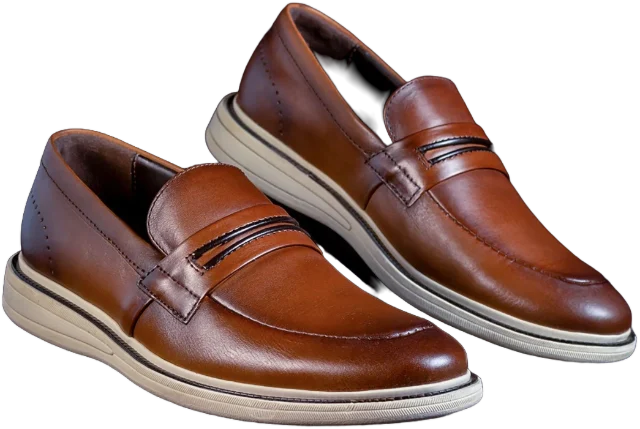
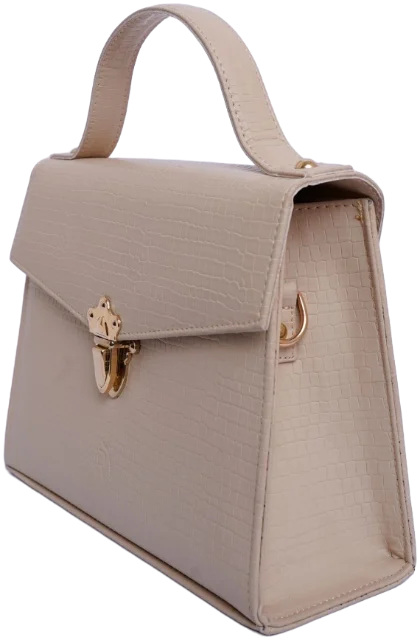
Here’s how to find dupes that are worth buying: name exactly what you love about the original (its shape, colour, fabric or a detail), search for those features rather than the brand, and run a cropped photo through visual search. Judge the results on fabric, construction and fit, and skip anything with a copied logo: that’s a counterfeit.
Key takeaways
- Name the two or three features you love, and search for those rather than the brand.
- A dupe borrows a look; a counterfeit copies a logo or name. Never buy the second.
- Judge quality by fibre content, seams, finishing and customer photos, not price.
- Compare measurements with a piece you own that fits, not just the size label.
- Check second-hand for the original first, and work out cost per wear before you buy.
Dupe vs counterfeit: what’s the difference?
The words get used loosely, so here’s where the line falls:
- A dupe has a similar look (a shape, a colour, a silhouette) but its own name and no copied branding.
- A counterfeit, or fake, uses the original’s logo, name or branding to pass itself off as the real thing.
- “Inspired by” is a looser cousin. It borrows an idea, like wide-leg trousers or a structured bag, which nobody owns.
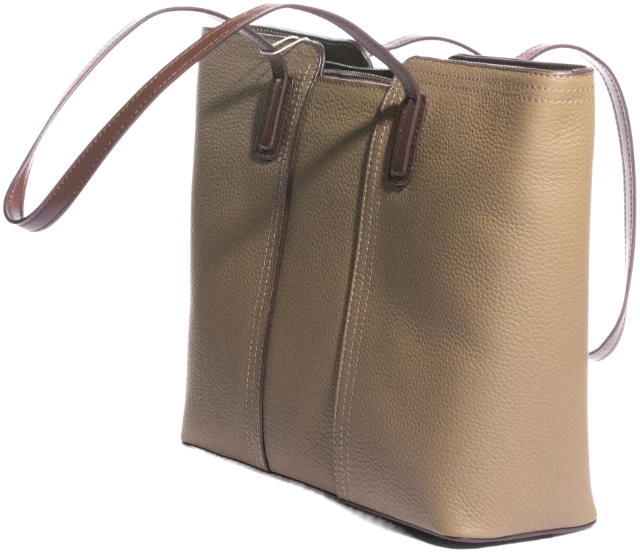
The logo is the clearest test. A beige structured bag with a flat base and a top handle is a lookalike of a whole category. The same bag with someone else’s monogram on it is a fake, however it’s described.
Are dupes legal?
Buying a dupe for yourself is generally fine. In the UK, the criminal offences in section 92 of the Trade Marks Act 1994 are aimed at people who put a brand’s mark on goods or deal in them “with a view to gain”, not at someone buying for their own wardrobe. That doesn’t make fakes risk-free for buyers, though. Goods suspected of infringing intellectual property rights can be taken from you when you bring them into the UK, and the people who sell fakes are rarely easy to chase when something goes wrong.
Designs have protection too. The shape of a product can be automatically protected in the UK for up to 15 years, and its appearance for three years after it’s first made public, without the designer registering anything. So a near-exact copy of a recent design can be unlawful for the seller even without a logo. That isn’t your legal problem as a shopper, but it tells you something about the business you’re buying from.
This is a general guide, not legal advice.
Are dupes ethical?
That depends on what you copy and how often you buy. A few rules of thumb:
- Think twice about duping independent designers. A big fashion house can absorb a lookalike; a small label can lose the sales that keep it going.
- Buy dupes you’ll wear, not dupes you’ll try. A cheap piece worn three times is rarely a bargain. Ask yourself whether you’ll wear it at least 30 times before you buy.
- Look at how it’s made. A price that seems impossibly low means a saving was made somewhere, whether in the fabric, the finishing or the pay of the people who made it.
The maths matters too. A £40 dupe worn five times costs £8 a wear; a £150 original worn 60 times costs £2.50 a wear. Working out cost per wear before you buy often settles the question.
How to find dupes, step by step
- Name what you love. Write down the two or three features that make the original special. Is it the drape, the colour, the length, the buttons?
- Turn them into search words, using the table below. Search by feature, not brand: brand names mostly turn up fakes.
- Search by picture. Crop a photo tightly to the piece and run a visual search; our guide to finding clothes from a picture shows how.
- Filter by fabric. If what you love is the way a wool coat hangs, a polyester lookalike won’t give you that.
- Check second-hand first. The original, pre-owned, can cost less than a new dupe and may well last longer. Our second-hand shopping tips will help.
- Shortlist three. Compare them side by side on fabric, details, measurements and reviews with photos.
- Check it against your wardrobe. If it doesn’t go with three things you already own, it isn’t a bargain at any price.
| What you love | Search words to try |
|---|---|
| A bag’s neat, boxy shape | structured top-handle bag, flat base, rigid |
| The way a coat hangs | wool-blend, unlined, dropped shoulder, longline |
| Trousers that skim and swish | high-rise wide-leg trousers, pressed crease, full length |
| A soft, fine jumper | merino, lambswool, fine-gauge knit, crew neck |
| A particular loafer | leather penny loafer, almond toe, leather sole |
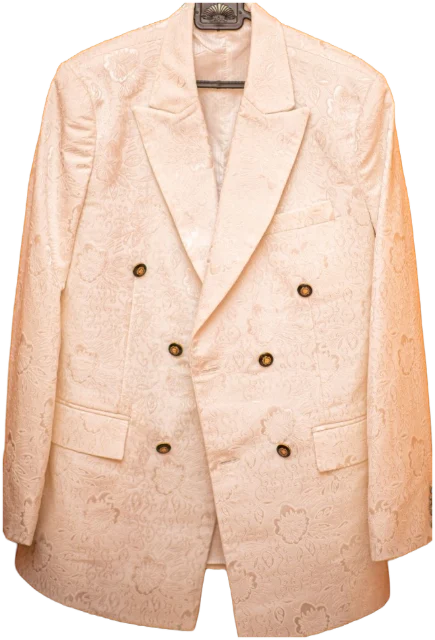
| A blazer’s sharp shoulders | double-breasted blazer, structured shoulder, wool |
How to judge the quality of a dupe
Price is a poor guide to quality in both directions, so look at the piece rather than the tag:
- Fibre content. Clothes sold in the UK must say what they’re made of under the textile labelling rules. Online, it should be in the product details; if it isn’t, ask or move on.
- Weight and feel. Knits and coats that feel thin and flimsy in the hand are more likely to pill, lose their shape or let the wind through.
- Seams. Small, even stitches, no loose threads, and patterns that line up where panels meet.
- Finishing. Neat buttonholes, buttons sewn on firmly, a zip that runs smoothly, and a hem with some fabric to let down.
- Lining. On tailoring and coats, a lining helps a piece hang well and last.
- Shoes and bags. Stitched soles rather than only glued ones, edges that are finished rather than coated in plastic that peels, and hardware with some weight to it.
- Reviews with photos. Real customers’ pictures, ideally after a few months of wear, tell you more than any product shot.
Fit: where most dupes fall down
Two pieces can look the same in a photo and fit nothing alike, because the pattern underneath is cut differently. Before you buy:
- Measure a piece you own that fits the way you want, laid flat: armpit to armpit, length and sleeve, plus the waist, rise and inside leg for trousers.
- Compare those numbers with the product’s measurements rather than the size on the label, which varies from shop to shop.
- Don’t limit yourself to one section; here’s how to convert women’s to men’s clothing sizes and back.
- Know your return window. Buying online from a business, you normally have 14 days from delivery to cancel.
How to spot a fake dressed up as a dupe
Counterfeits are big business. The OECD and the EU’s intellectual property office estimate that fake goods worth about US$467 billion were traded worldwide in 2021, and that clothing, footwear and leather goods made up 62% of seized counterfeits. In the UK, the Intellectual Property Office’s latest survey, published in 2026, found that 26% of adults have knowingly bought a fake at some point, and 17% have bought one by accident.
Red flags in a listing:
- The original’s logo, monogram or signature hardware.
- Words like “1:1”, “mirror quality”, “replica” or “AAA”.
- The brand’s name in the title or hashtags of something that isn’t made by that brand.
- A price that’s a fraction of the original’s for something listed as genuine.
- “New and unused” on a second-hand site at a suspiciously low price, a warning sign Which? flagged in its 2025 investigation into fakes, which found many looked almost identical to the real thing.
When a dupe isn’t the answer
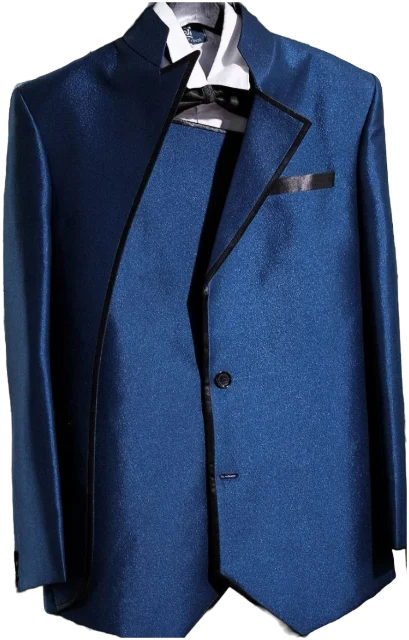
Sometimes the urge for a dupe is really an urge to buy. Before you search, check whether you already own something close; a navy blazer you’ve stopped noticing can scratch the same itch. If it’s the original you truly want, buying it second-hand or saving for it may be better value over its life than two dupes in a row.
And if you notice you’re chasing a new dupe every week, that’s a pattern worth breaking. Our guide to how to stop impulse buying clothes has practical ways to do it.
Questions
Do dupes last as long as the original?
Sometimes. Price doesn’t guarantee quality, so a well-made dupe in a good fabric can outlast a pricier piece. Judge by fibre content, construction and customer photos rather than by the label.
Where are the best places to find dupes?
High-street shops, second-hand marketplaces and visual search on a cropped photo. Search by the features you like, such as shape, fabric and colour, rather than the brand name, which mostly turns up fakes.
What does ‘1:1’ mean in a listing?
It usually signals a replica meant to look identical to the original, logos included. That’s a counterfeit, not a dupe, however the listing describes it.
Is it bad to buy dupes of small designers?
Many people draw the line here. A big fashion house can absorb a lookalike, but an independent designer can lose the sales that keep them going. If you love a small label’s piece, look for it second-hand or save for it.
Sources
- Trade Marks Act 1994, section 92, legislation.gov.uk
- Bringing goods into the UK for personal use: banned and restricted goods, GOV.UK
- How your unregistered designs are protected, GOV.UK
- The Textile Products (Labelling and Fibre Composition) Regulations 2012, legislation.gov.uk
- The Consumer Contracts (Information, Cancellation and Additional Charges) Regulations 2013, regulation 30, legislation.gov.uk
- Global trade in fake goods reached USD 467 billion, posing risks to consumer safety and compromising intellectual property, OECD
- IPO counterfeit goods research: wave 5, Intellectual Property Office
- Shoppers’ safety at risk from high-end fakes as Which? calls for urgent overhaul of enforcement system, Which?