Cost per wear: how to work it out, and when it misleads you
The price tag tells you what a piece costs once. Cost per wear tells you what it costs every time you put it on, which is the number that matters.
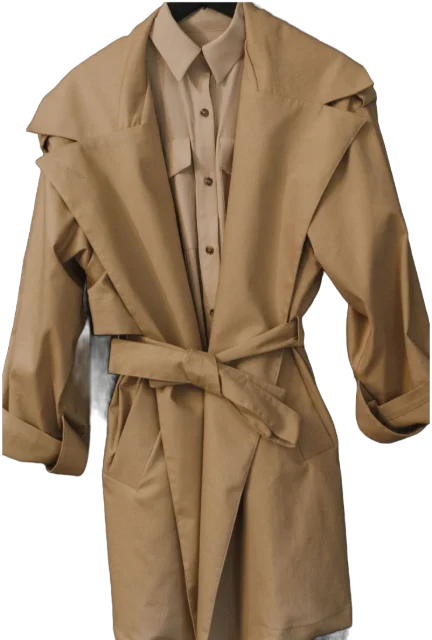
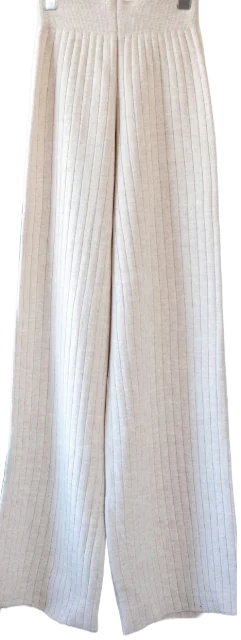
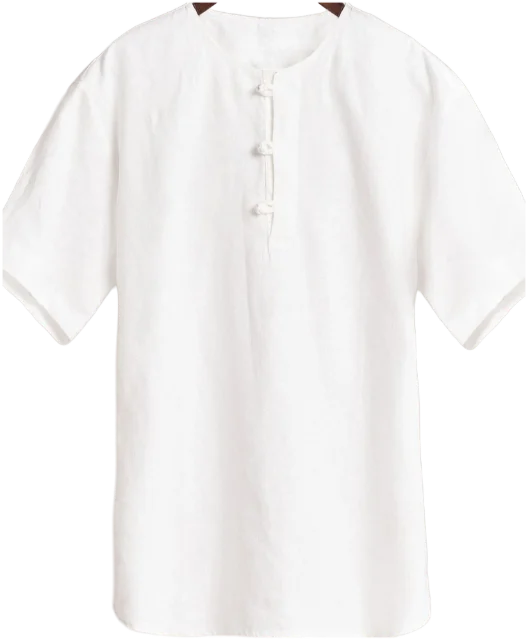
Cost per wear is what a piece of clothing costs you each time you put it on: its price divided by the number of times you wear it. A £90 coat worn 60 times costs £1.50 a wear; a £25 top worn twice costs £12.50. Add care and repairs, subtract resale value, and it becomes a sharper test.
Key takeaways
- Cost per wear is price divided by wears; for a truer figure, add care and repairs and subtract what you sell it for.
- Estimate wears as wears per week × weeks a year × years it will last, then be pessimistic.
- A higher price only pays off if the extra wears actually happen.
- Occasion wear always looks expensive per wear, so compare it with borrowing instead.
- Use real wear counts, not memory, to check your past buys and guide the next ones.
It’s a useful number and a slippery one. Below: the formula in full, worked examples in pounds, how to estimate wears honestly, what a “good” cost per wear looks like, and the places where the sum quietly misleads you.
The cost per wear formula
The simple version fits on a receipt:
Cost per wear = price ÷ number of wears
It’s fine for a T-shirt. For anything that needs looking after, or that you might sell on, use the fuller version:
Cost per wear = (price + care + repairs − resale value) ÷ number of wears
- Price is what you paid, including delivery.
- Care is anything beyond a normal wash: dry cleaning, waterproofing spray, a specialist leather balm.
- Repairs are resoling, new zips, invisible mending, alterations.
- Resale value is what you sell it for when you’re done, or what you realistically expect to.
- Wears are days you actually wore it out, not days it sat on the chair.
Cost per wear examples in pounds
The winter coat
A £180 wool coat, worn four days a week for 20 weeks each winter, over four winters, gets 320 wears (4 × 20 × 4). On price alone, that’s 56p a wear. Add a professional clean each season at, say, £15 (£60 in total) and it’s 75p. Sell it for £30 at the end and it drops to 66p: (£180 + £60 − £30) ÷ 320.
The trend top
An £18 top bought for a night out, worn three times before it felt dated: £6 a wear. Cheaper at the till than the coat, and about ten times the coat’s cost every time you put it on.
The good boots
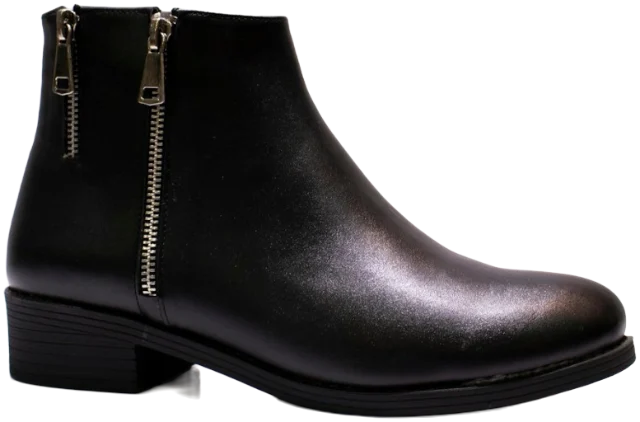
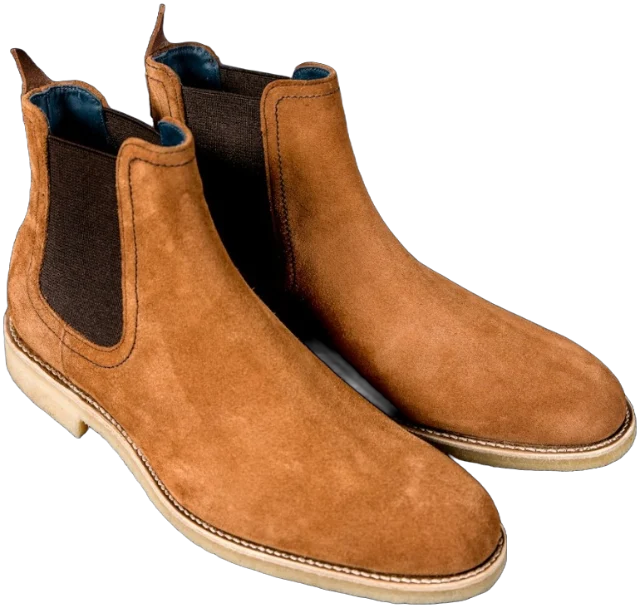
£120 leather boots, resoled once for £40, worn twice a week for half of each year for five years: 260 wears (2 × 26 × 5) and 62p a wear. Resoling cost a third of the price and added years; that’s the best money in the sum.
The wedding outfit
A £150 outfit worn to one wedding is £150 a wear. Wear it to two more events with different shoes and a jacket, then sell it for £40, and it’s £36.67: (£150 − £40) ÷ 3. Still high, which is normal for occasion wear (more on that below).
Cost per wear at a glance
| Piece | Price | Care and repairs | Resale | Wears | Cost per wear |
|---|---|---|---|---|---|
| Wool coat | £180 | £60 | £30 | 320 | 66p |
| Leather boots | £120 | £40 | £0 | 260 | 62p |
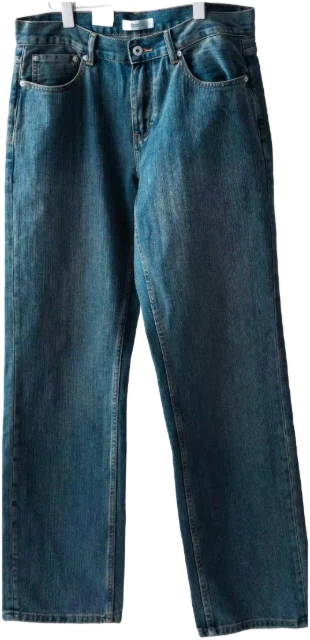
| Jeans, worn twice a week for two years | £60 | £0 | £0 | 208 | 29p |
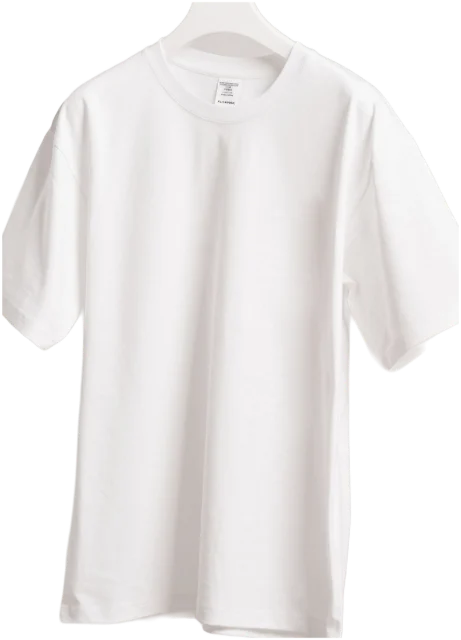
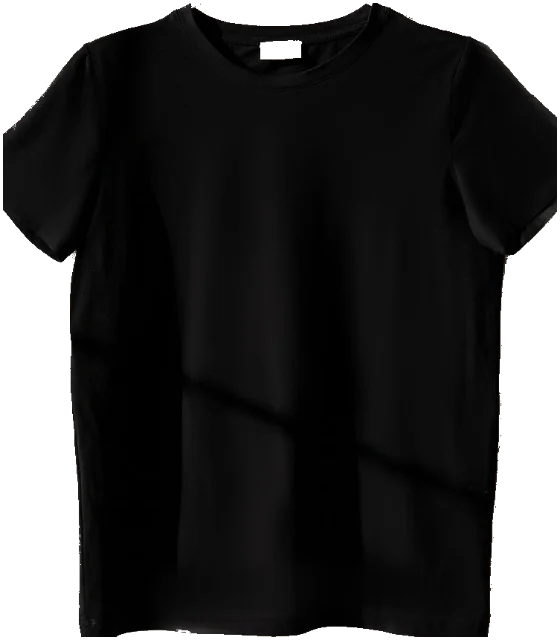
| Cheaper white tee, weekly for a year | £8 | £0 | £0 | 52 | 15p |
| Pricier white tee, weekly for three years | £25 | £0 | £0 | 156 | 16p |
| Trend top | £18 | £0 | £0 | 3 | £6.00 |
| Wedding outfit, worn once | £150 | £0 | £0 | 1 | £150.00 |
| Wedding outfit, worn three times and sold | £150 | £0 | £40 | 3 | £36.67 |
Look at the two white T-shirts. The pricier one lasts three times as long and ends up costing almost exactly the same per wear. Spending more is only “worth it” if the extra wears really happen, which brings us to estimating them.
How to estimate how often you’ll wear something
Before you buy, you’re guessing. Make it a structured guess:
Wears = wears per week × weeks a year you’ll wear it × years it will last
- Wears per week: be specific about which days. “Most weekdays” is four, not five, once you count the days it’s in the wash.
- Weeks a year: British seasons are short and unreliable. A heavy coat might get 20 weeks, from November to March. A summer dress might get 10 or 12, and a linen shirt fewer in a wet year. A trench gets most of the year.
- Years: how long the fabric and construction will last, and how long you’ll still like it. The second is usually shorter.
Then be pessimistic, because we’re reliably optimistic about our future selves. In a well-known study published in the American Economic Review, members of three US health clubs who chose a flat monthly fee of over $70 went to the gym 4.3 times a month on average. That worked out at more than $17 a visit, when a 10-visit pass would have cost them $10 a visit. If we overestimate the gym, we overestimate the new linen trousers too.
The best estimate isn’t a guess at all: it’s how often you wore the last similar thing. If you track what you wear for even a month, you’ll have real numbers to borrow from.
What is a good cost per wear?
There’s no official figure, and the right one depends on your budget. These are our rules of thumb:
- Everyday clothes and basics (tees, jeans, knitwear, work trousers): aim for well under £1 a wear over their life. Most will get there if you like them.
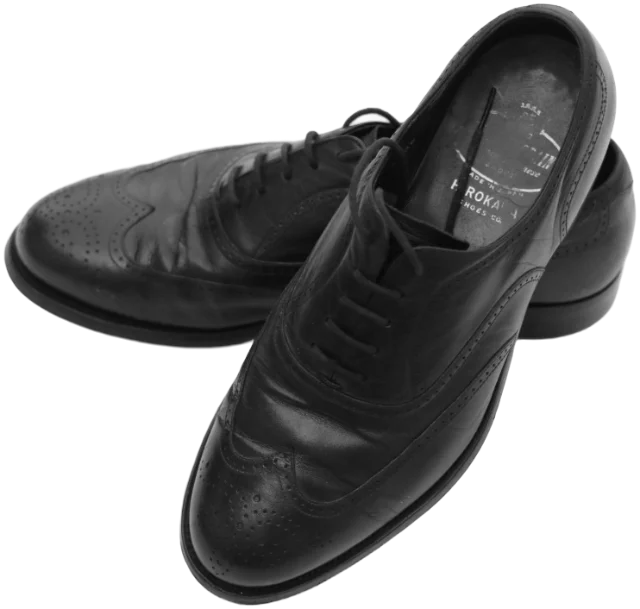
- Coats, boots and shoes you wear constantly: these often come in under £1 too, because a British winter gives them so many outings. That’s where spending a little more on construction tends to pay.
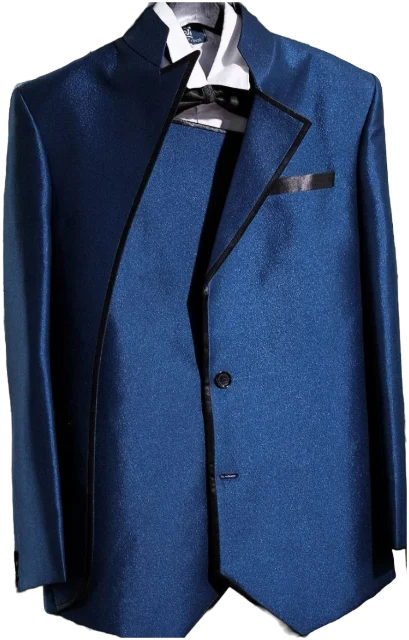
- Pieces for occasional use (a smart suit, a party top): don’t compare them with your jeans. Compare them with the alternative, which is often borrowing from a friend.
- A warning sign: if something you’d wear on an ordinary day is heading towards £5 a wear, look at why. Usually it doesn’t go with anything, or it isn’t comfortable.
A popular shortcut is the 30 wears test: before buying, ask whether you’ll definitely wear it at least 30 times. It’s a blunt tool, but it stops a lot of one-night tops at the till, and it pairs well with the tactics in our guide to how to stop impulse buying clothes.
Where cost per wear misleads you
- It can justify overspending. “It’ll pay for itself” is how a £400 coat gets bought. At 50p a wear it needs 800 wears to get there. Will it?
- It’s only as honest as the wear count. A guessed number gives you a guessed answer, and as the gym study shows, the guess usually flatters you.
- It ignores what else the money could do. Two pieces at 60p a wear aren’t equally affordable if one costs £300 upfront and the other £60.
- It ignores joy. A wedding outfit you felt brilliant in is not a failure because it costs £50 a wear. Some things are for one day, and that’s fine.
- Price isn’t quality. The white tee example shows a higher price buys nothing unless it brings more wears. Check seams, fabric weight and fibre content rather than the label.
- It’s about money, not the planet, though the two point the same way. According to WRAP, extending the life of clothing by just nine months could cut its carbon, water and waste footprints by up to 20%. More wears per piece is better on both counts.
How to lower the cost per wear of what you already own
Most of the cost per wear in your wardrobe is already spent. The way to improve it is to wear things more, and that starts with being able to see them: knowing how to organise your wardrobe so nothing hides at the back gets more of it worn. Then:
- Find more outfits. A piece that works three ways gets three times the wears. Simple outfit formulas help you find them.
- Repair early. A loose button or a heel that’s wearing down costs little to fix and a lot to ignore.
- Wash less, and cooler. Air knitwear and jeans between wears; wash wool by hand or on a gentle cycle.
- Alter what nearly fits. Taking in a waist or shortening sleeves often turns a never-worn piece into a favourite.
- Sell or pass it on when you’re done. Resale lowers your number, and the piece gets new wears with someone else. Buying pre-loved works the other way round; see our second-hand shopping tips.
And before the next purchase, it’s worth reading how to buy less and wear more: fewer, better-chosen pieces are where the lowest cost per wear lives.
Questions
Is cost per wear the same as cost per use?
Yes, it’s the same idea. Cost per use is the general term for anything you own, such as a bike or a coffee machine; cost per wear is the version for clothes, shoes and bags.
Should washing costs count in cost per wear?
Only when they’re significant. Dry cleaning or specialist care for a coat or suit can add a lot over its life, so include it; everyday machine washing adds pennies and can be left out.
Does buying second-hand lower your cost per wear?
Usually, because the price is lower for the same number of wears, and a good piece often sells on for close to what you paid. Check the condition carefully so it lasts long enough to get those wears.
How do I work out cost per wear on my phone?
Add the price to any care and repair costs, take away anything you expect to sell it for, then divide by the number of wears. Any phone calculator will do it in a few seconds.
Sources
- Paying Not to Go to the Gym (DellaVigna and Malmendier, 2006), American Economic Review
- Extending Product Lifetimes: WRAP’s Work on Clothing Durability, WRAP