Second-hand clothes shopping tips: how to find pieces worth keeping
Charity shops, vintage rails and resale apps are full of good clothes, and plenty of tired ones. Here’s how to tell them apart and come home with pieces you’ll wear for years.
The best second-hand clothes shopping tips come down to three habits: go in with a list, check every piece in good light for flaws, and buy on measurements rather than the label. Add a budget, regular visits and a clear idea of your rights when buying from strangers online, and you’ll come home with keepers, not clutter.
Key takeaways
- Shop from a short list and a set budget, and visit little and often.
- Check every piece in good light: labels, stress points, seams and fastenings.
- Buy on measurements, not the size on the label.
- Online, pay by card through the platform and screenshot the listing.
- Second-hand helps most when it replaces a new purchase, not when it’s extra.
Before you go: a list, a budget and your measurements
Second-hand shopping rewards preparation more than luck. A rail of 200 mixed-size shirts is much easier to scan when you know you’re looking for one thing: a white or pale blue cotton shirt, in your chest measurement, to wear with your navy trousers.
- Bring a short list. Three to five specific pieces, ideally from a wardrobe audit, so you fill gaps rather than adding more of what you already have.
- Set a budget for the trip. Low prices make it easy to come home with five bargains you never wear.
- Know your numbers. Lay a top and a pair of trousers that fit you well flat, and measure armpit to armpit, shoulder seam to shoulder seam, the waistband edge to edge, and the inside leg. Keep the numbers on your phone.
- Dress for trying on. Changing rooms can be small or missing, so a fitted top and slim trousers let you try things over your clothes.
- Pack a tape measure. It’s the most useful thing in your bag.
Where to shop second-hand in the UK
Each kind of shop has its strengths. Knowing what each does best saves you hours.
| Where | Good for | Watch out for |
|---|---|---|
| Charity shops | Knitwear, shirts, tailoring and everyday basics at low prices | Sizes mixed together on the rails; no automatic refund if you change your mind |
| Vintage shops and fairs | Coats, leather, occasion wear and pieces you won’t see elsewhere | Higher prices, and older sizing that doesn’t match today’s labels |
| Car boot sales and markets | Cheap finds, especially early in the day | No changing rooms, and you’ll usually need cash |
| Online marketplaces and resale apps | Searching for an exact piece, size or fabric | Photos that hide flaws, and scams |
| Swaps with friends | Occasion wear and trying a new style for free | Fit is a matter of luck |
Charity shops take in donations constantly, so little and often beats one big trip. Swapping costs nothing at all; here’s how to run a clothes swap with friends.
How to check quality in two minutes
Most of us don’t look closely before we buy. In WRAP’s 2012 consumer survey, only a third of people said they usually examine seams and stitching before buying clothes. Second-hand, that check is the whole game, because what you see is what you get. Take each piece to the window or the brightest light in the shop.
- Read the labels. The fibre content tells you how a piece will wear and wash; the care label tells you whether you’ll actually look after it.
- Check the stress points: underarms, collar, cuffs, the crotch seam and the inner thighs of trousers, where wear and stains show first.
- Hold it up to the light to spot thin patches and small moth holes, especially in wool and cashmere.
- Pull gently at the seams. The stitches should hold tight, with no gaps.
- Test the hardware. Run every zip, do up every button, and check press studs and buckles.
- Look at the surface. Bobbling can be shaved off. Shine on the seat of trousers or the elbows of a jacket can’t be fixed.
- Smell it. Most smells wash out; damp and smoke can take a few goes.
What’s worth fixing, and what isn’t
Easy and cheap: a missing button, a dropped hem, a loose seam, bobbling. Worth paying a tailor for: hemming trousers, taking in a waist, shortening jacket sleeves that don’t have working buttons. Usually not worth it: shoulders that are too wide or too narrow, moth holes across the front, and cracked leather.
Second-hand shopping tips, piece by piece
Different clothes fail in different places. Once you know where to look, the check takes seconds.
Knitwear
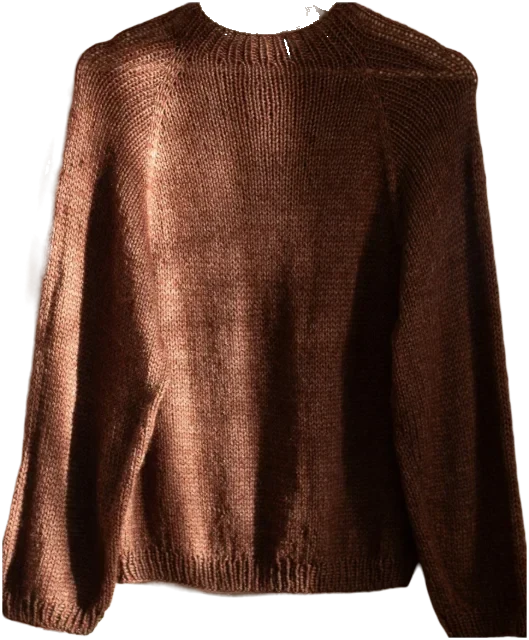
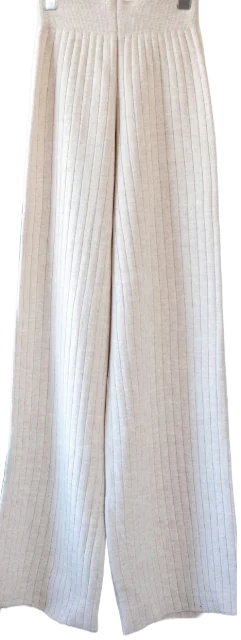
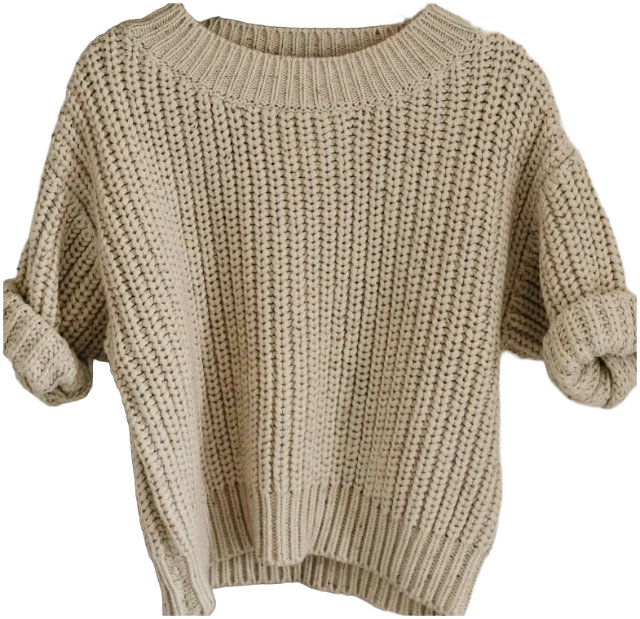
Look at the elbows, cuffs and underarms for thinning, and squeeze the fabric: if it feels matted and stiff, it’s probably been washed too hot and felted, and it won’t recover. Check the fibre label too. Wool, merino and cashmere are worth the hunt; a little bobbling under the arms is easy to fix.
Coats and tailoring
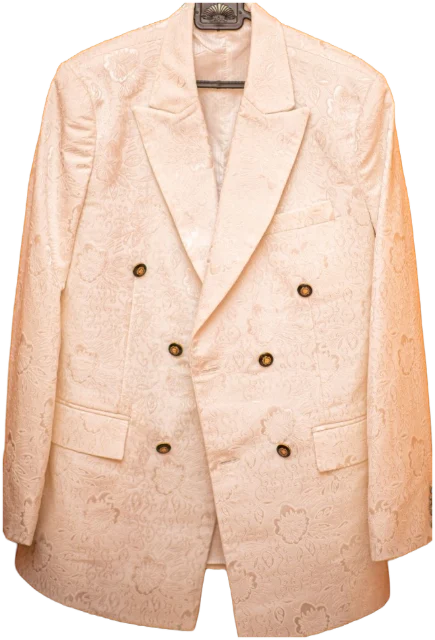
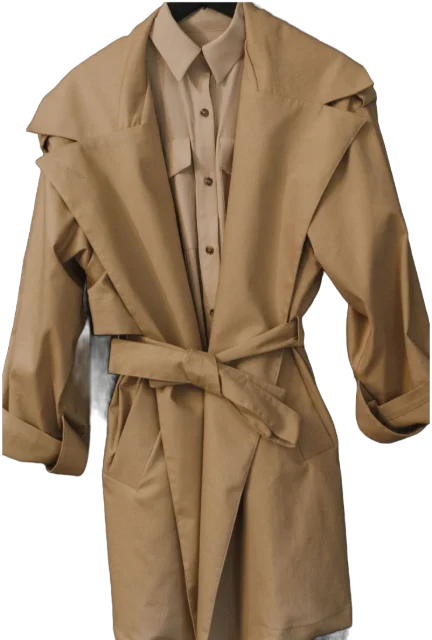
Try the shoulders first, because they’re the hardest thing to alter. Then look inside: a torn lining can be replaced, but it adds to the cost. Pockets still stitched shut are a good sign the piece has barely been worn.
Jeans and trousers
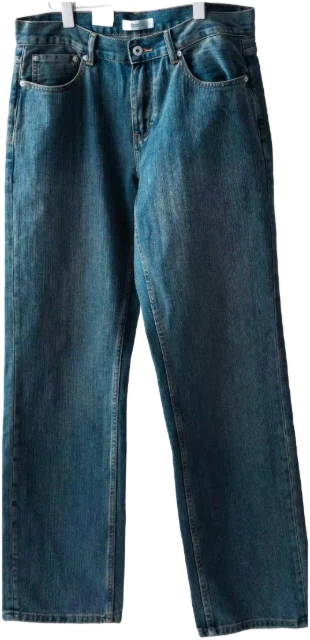
Check the inner thighs, the crotch seam and the back of the hems, which wear first. Hold the fabric up to the light where the thighs rub; if it’s already thin, it won’t last long.
Shoes and bags
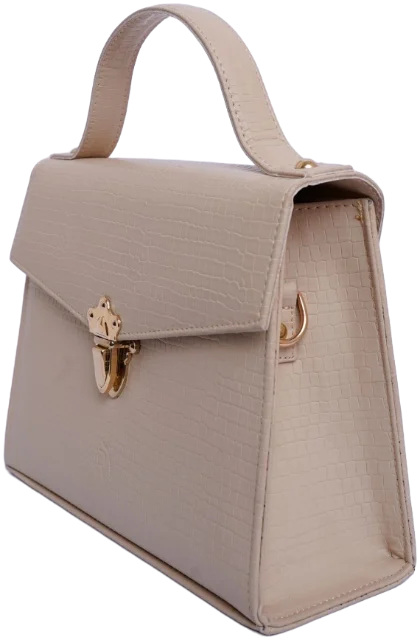
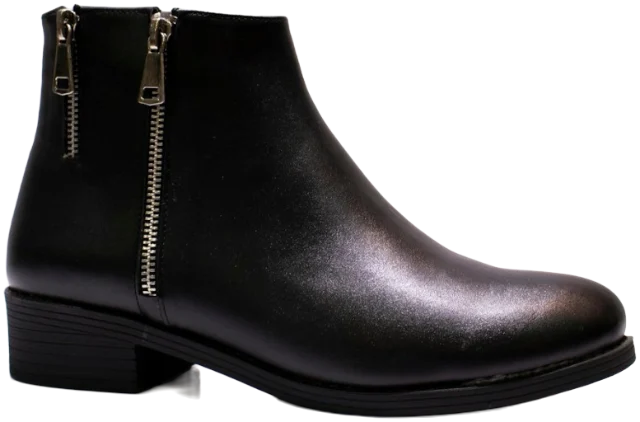
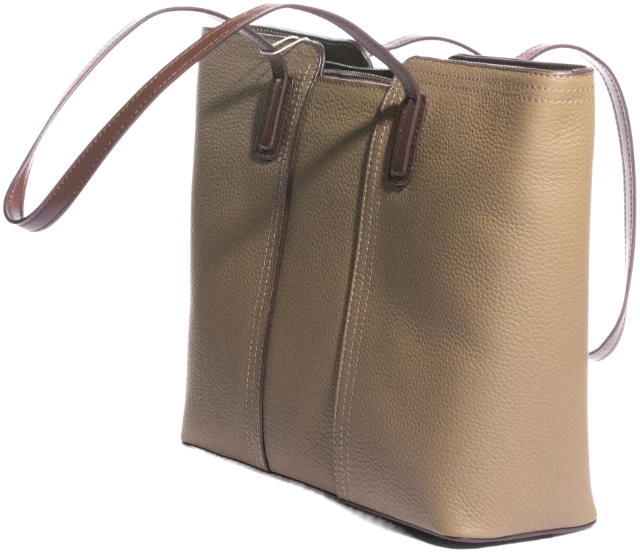
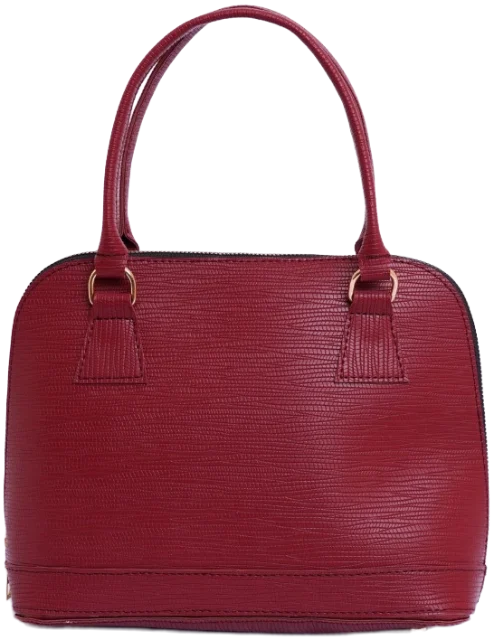
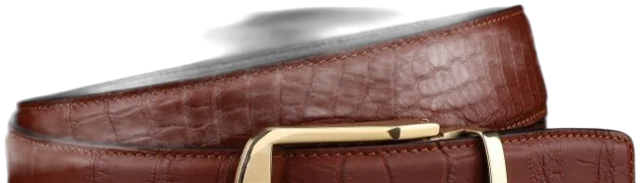
Worn heels and soles can often be replaced by a cobbler, so judge the uppers instead: deep cracks in leather are hard to fix. On bags, check the handles, the corners, the zip and the lining.
Getting the size right second-hand
Ignore the size on the label until you’ve measured. Sizes vary between brands and decades, and a piece may have shrunk, stretched or been altered by its last owner. Lay it flat and compare it with the numbers on your phone.
- Tops and jackets: armpit to armpit (double it for the chest), shoulder seam to shoulder seam, and sleeve length from the shoulder seam to the cuff.
- Trousers and skirts: waistband edge to edge (double it), the rise from crotch seam to waistband, and the inside leg.
- Shoes: check the insole length if you can, and look at the heels and soles for wear. Uneven wear on the heel is a sign to put them back.
Second-hand is also the cheapest way to shop beyond your usual section. Some of the best knitwear and coats sit on the other side of the shop, and our guide to shopping across menswear and womenswear explains how the sizes convert.
Buying second-hand online: how to do it safely
Online resale is brilliant for finding a specific piece, but it comes with risks. In Which? research published in May 2024, 32% of buyers said they had experienced a scam on a second-hand marketplace in the previous two years; the most common problems were receiving the wrong item or nothing at all. WRAP’s research on first-time preloved buyers found the same worries: misleading descriptions, hidden flaws and scams.
- Pay by card through the platform, and use buyer protection where it’s offered. If a seller asks you to pay another way, walk away; you’d lose that protection.
- Screenshot the listing before you pay. When you buy from a private individual, the goods must match their description, as Citizens Advice sets out, so the listing is your evidence.
- Ask for what the photos don’t show: flat measurements, the care label, close-ups of the underarms and any marks, and a photo in daylight.
- Know who you’re buying from. From a private seller there’s no cooling-off period. From a business, you can usually cancel within 14 days of the item arriving, says Citizens Advice.
- Check profiles and reviews, and photograph the parcel and the item as soon as it arrives.
- Save searches for your size and the exact piece, and let alerts do the scrolling for you.
If you’ve fallen for something in a photo and want it second-hand, start by working out exactly what it is. Our guide to finding clothes from a picture shows how.
Make second-hand count
Second-hand shopping is one of the best things you can do for your wardrobe and the planet, as long as it replaces buying new. WRAP’s 2025 research found that more than three in five clothes bought through peer-to-peer resale in the UK displaced a new purchase. It also points out that impulsive second-hand buys may not displace anything. Cheap is not the same as needed.
The good news is that second-hand finds tend to stick around. In WRAP’s 2022 research, people expected to keep vintage and preloved clothes for 5.4 years, against 4 years for new off-the-peg pieces.
Use the same filters you would for anything new: does it fill a gap, will you wear it 30 times, and does it make three outfits with what you have? Our guide on how to stop impulse buying clothes has the full checklist, and buy less, wear more covers the bigger picture of a wardrobe that lasts.
Questions
Should you wash second-hand clothes before wearing them?
Yes. Wash or air everything before you wear it or put it in your wardrobe, following the care label. Dry-clean-only pieces can go to a dry cleaner or be steamed.
When is the best time to go charity shopping?
There’s no secret day, because donations arrive all the time. Visiting little and often, and trying shops in different areas, gives you the most chances to find something good.
What are my rights when buying second-hand?
From a private seller, the item must match its description but there’s no cooling-off period. Buying online from a business, you can usually cancel within 14 days of delivery. In a physical shop, including a charity shop, there’s no automatic right to a refund if you simply change your mind.
Is second-hand fast fashion worth buying?
It can be, if it’s in good condition and fills a gap. Check the fabric and seams carefully, because cheaper pieces may already be close to the end of their life.
Sources
- Valuing our clothes: The true cost of how we design, use and dispose of clothing in the UK, WRAP
- A third of buyers have experienced a scam on popular second-hand marketplaces in the last two years, Which?
- Letter to complain about misdescribed goods bought from a private seller, Citizens Advice
- Changing your mind about something you’ve bought, Citizens Advice
- Displacement Rates Untangled: A Standardised Methodology, WRAP
- Nation’s wardrobes hold 1.6 billion items of unworn clothes, WRAP
- Cultivating a culture of clothing reuse, WRAP