How to declutter your wardrobe without regretting it
Nobody worries about binning a bobbled vest. The fear is giving away the jacket you’ll want in March. Here’s a clear-out method built to avoid exactly that.
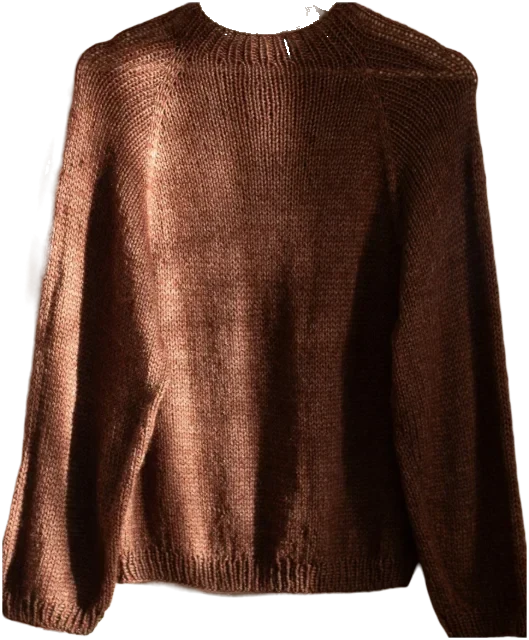
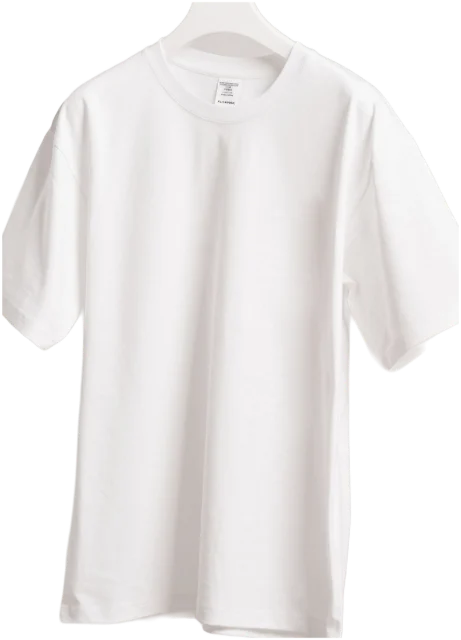
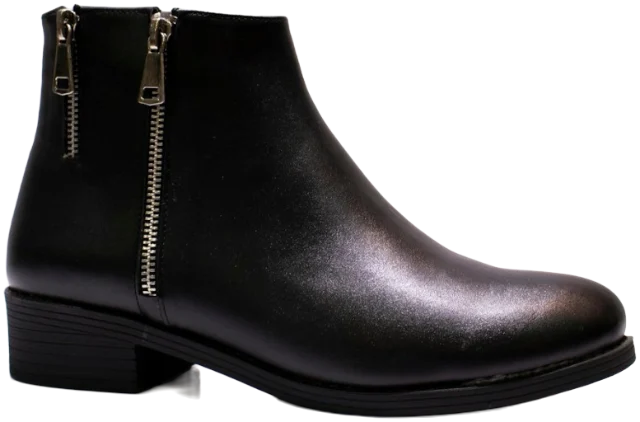
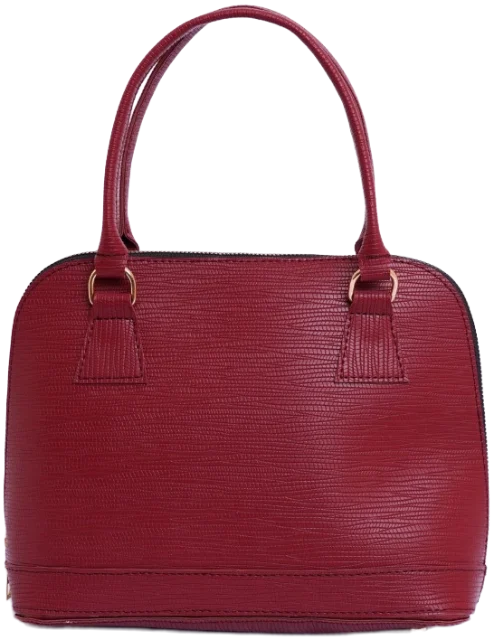
To declutter your wardrobe without regret, take everything out, try on anything you’re unsure about, and keep what fits, suits the life you live now and actually gets worn. Put the doubtful pieces in a dated maybe box instead of forcing a decision. Then sell, donate, lend, gift or recycle the rest.
Key takeaways
- A quarter of the average UK adult’s clothes go unworn for a year, mostly because they’re for occasions, don’t fit or never become a priority.
- Try on anything you’re unsure about, and decide with clear questions rather than guilt.
- A dated maybe box takes the fear of regret out of the hard decisions.
- Sell, donate, lend, gift or recycle: almost nothing needs to go in the bin.
- HMRC says occasionally selling your own unwanted things online isn’t trading, so there’s no tax to pay.
Regret is the real worry with a clear-out. The method below is built around it: questions that make most decisions for you, a safety net for the hard cases, and a plan for every piece that leaves, so nothing ends up in the bin by default.
Why wardrobes fill up with clothes we don’t wear
If your rail is full of things you never put on, you’re in good company. A 2022 study for WRAP, the UK sustainability charity, found the average adult keeps upwards of 118 items of clothing, and that about a quarter of them hadn’t been worn for at least a year.
The reasons people gave are worth knowing, because each needs a different decision:
- “It’s for occasions only.” Keep the occasion pieces you’d genuinely wear again; lend or sell the rest.
- “It no longer fits well.” Alter it this month or let it go.
- “I like it, but it’s not a priority.” Test it in three outfits. If it passes, it stays and gets worn this week; if it doesn’t, it was never really in use.
How to declutter your wardrobe, step by step
- Pick a slot. Two or three hours, ideally in daylight, with a full-length mirror. If that feels like too much, do one category an evening: knitwear on Monday, shoes on Tuesday.
- Empty the lot. Everything onto the bed. Ten black T-shirts in one pile tell you something that ten black T-shirts spread along a rail never will.
- Make four piles. Keep, maybe, repair and go. Use labelled bags or boxes so the piles don’t merge halfway through.
- Try on the doubters. Anything you hesitate over goes on, with shoes, in front of the mirror. Two minutes each is plenty.
- Ask the seven questions below. They settle most cases in seconds.
- Put back only the keeps. Then give them a proper home with our guide on how to organise your wardrobe.
Seven questions that make the decision for you
- Have I worn it in the last year? Twelve months covers every British season, wedding season and the one properly hot week included. If the answer is no, ask why before deciding.
- Does it fit the body I have today? Not the one from five years ago or the one you’re planning.
- Would I buy it again today, at its price? If you’d walk past it in a shop, it’s probably a habit, not a favourite.
- Can I make three outfits with it from what I own? If not, it’s an orphan. Either note the missing partner piece or let it go.
- Is it comfortable all day? Scratchy, tight at the waist, needs constant adjusting: that’s why you skip it.
- If it needs mending, will I do it this month? Write a date on the repair pile. Anything not mended by then goes.
- Am I keeping it out of guilt? The money is spent whether it stays or goes. Keeping it doesn’t get any of it back; selling it might.
Sentimental, expensive and “one day” clothes
Sentimental pieces
Keep the ones you still wear on the rail, and the ones you simply love to look at in a box away from your everyday clothes, so they don’t crowd the space you get dressed from. For the rest, take a photo before they go. A memory doesn’t need a hanger.
Expensive mistakes
These are the hardest, because letting go feels like admitting the loss. But the loss happened at the till. The only question now is whether the piece earns its space, and if it doesn’t, selling it is the best outcome: some money back, and the piece finally gets worn by somebody.
Clothes that don’t fit, yet or any more
If your size changes often, through pregnancy, illness, training or medication, keep one labelled box of the size either side, outside the wardrobe. Otherwise, let them go. Clothes that don’t fit aren’t a plan; they’re a daily reminder.
Occasion wear
Keep what you’d happily wear again to events you actually go to. The best occasion pieces also work on an ordinary day with a change of shoes or a layer, so test them that way before deciding.
The maybe box: your safety net against regret
Put everything you can’t decide on into one box, write a date three months ahead on the lid, and put it somewhere out of sight. If you find yourself going to the box for something, take it out and wear it: it has proved itself. When the date arrives, whatever is still inside leaves without a second rummage.
Three months covers a full season. For seasonal clothes, date the box for the middle of the season they belong to, so a summer dress gets a fair trial in July rather than a rejection in November.
What to do with clothes you don’t keep
This is where a clear-out does the most good, or the most harm. WRAP’s Textiles Market Situation Report 2024 estimates that almost half (49%) of used textiles in the UK were thrown into general waste in 2021: around 711,000 tonnes, or 35 items per person. Most of what you’re clearing out deserves better.
| Option | Best for | Effort | What you get |
|---|---|---|---|
| Sell | Coats, shoes, occasion wear, nearly new pieces | Medium to high | Some money back |
| Donate | Clean, wearable everyday clothes | Low | Income for a charity |
| Lend or gift | Pieces a friend or relative would love | Low | A happy friend, and goodwill |
| Swap | A bag of good things you’re bored of | One evening | New-to-you clothes, free |
| Recycle | Worn-out, torn or stained textiles | Low | A second life as rags or fibre, not the bin |
Sell
Sell what’s in good condition and worth the effort: coats, shoes, occasion wear, natural-fibre knitwear and anything barely worn. Second-hand marketplace sites and apps, local selling groups, dress agencies (which sell on commission) and car boot sales all work. Photograph pieces in daylight, give measurements as well as the size label, and be honest about flaws.
Worried about tax? Since 2024, selling platforms share details with HMRC of anyone who makes 30 or more sales, or earns roughly £1,700, in a calendar year. That isn’t a tax bill: HMRC has said that if you’re not trading and only occasionally sell unwanted items, there’s no tax due.
Donate
Charity shops want clean, dry, wearable clothes, with pairs of shoes tied or bagged together. Ask before arriving with a car boot full, and never leave bags on the doorstep of a closed shop, where they get rained on or taken. If you pay UK tax, sign up for Gift Aid when you drop off: under HMRC’s rules the charity sells your goods on your behalf and can then claim Gift Aid on the proceeds, and it writes to tell you what they raised.
Charity shops aren’t the only option. Local shelters, baby banks, refugee support groups and charities that lend interview clothes often need specific items, so check their lists first.
Lend, gift or swap
Some pieces deserve a person rather than a rail: the coat your sister always borrows, the shirt that would fit your friend perfectly. Ask before you hand over a bag, and don’t make anyone feel obliged. If you’ve a pile of good pieces, invite friends round and swap; our guide to clothes swaps and lending covers how to do it fairly.
Recycle what can’t be worn
Textile banks, often in supermarket car parks and at household waste recycling centres, take worn and damaged clothes for sorting. In Greater Manchester, for example, the combined authority says clothing that can’t be worn again is turned into products such as animal bedding and carpet underlay. Don’t put textiles in your mixed recycling bin unless your council says it takes them; most, like Durham County Council, don’t, though its recycling centres accept clothes even when dirty or wet. Some high-street shops also run take-back bins.
How to stop the clutter coming back
- One in, one out. Each new piece replaces something, which makes you think harder about the new piece.
- Wait before you buy. A 48-hour pause gives the excitement time to wear off before you pay. Our guide on how to stop impulse buying clothes has more ways to do it.
- Do a mini-edit at each season change. Ten minutes with the maybe box, twice a year.
- Know what you actually wear. A simple log for a month is more honest than memory; here’s how to track what you wear.
- Find the real gaps. Once a year, a wardrobe audit shows what’s missing so you buy the one piece that unlocks the rest, not three that don’t.
Questions
What is the 90/90 rule for clothes?
If you haven’t worn something in the last 90 days and don’t expect to wear it in the next 90, it’s a candidate to let go. It works for everyday clothes; give seasonal and occasion pieces a full year.
How many clothes should one person own?
There’s no right number. WRAP found the average UK adult keeps upwards of 118 items of clothing; what matters more is how many of yours actually get worn each year.
Can I put old clothes in my household recycling bin?
Usually not, as most councils don’t accept textiles in mixed recycling. Use a textile bank, your household waste recycling centre or a charity shop, and check your council’s website for local options.
Should I declutter my wardrobe all at once or a bit at a time?
All at once gives the clearest picture of what you own, but one category an evening works if time or energy is short. Either way, finish each session by putting the keeps back and bagging the rest.
Sources
- Nation’s wardrobes hold 1.6 billion items of unworn clothes, WRAP
- Textiles Market Situation Report 2024, WRAP
- No tax changes for online sellers, HM Revenue & Customs, GOV.UK
- Charities: detailed guidance notes, chapter 3: Gift Aid, HM Revenue & Customs, GOV.UK
- Greater Manchester urged to give old clothes a new life with textile bank recycling, Greater Manchester Combined Authority
- Clothes recycling, Durham County Council