How many outfits can you make? The real maths, piece by piece
Ten pieces can make 56 outfits, and one blazer can double a wardrobe. Here’s the arithmetic behind mix-and-match dressing, and why the real number is always smaller.
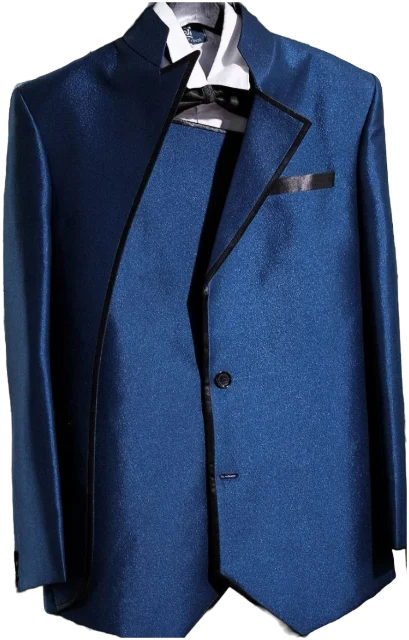
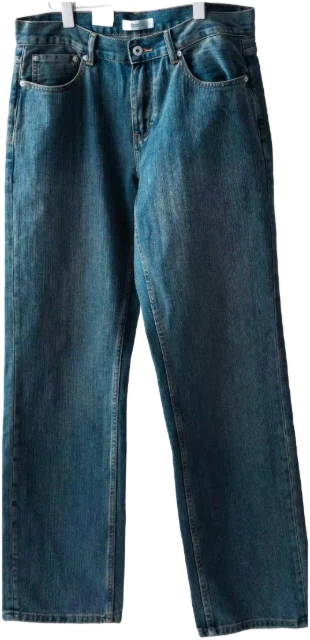
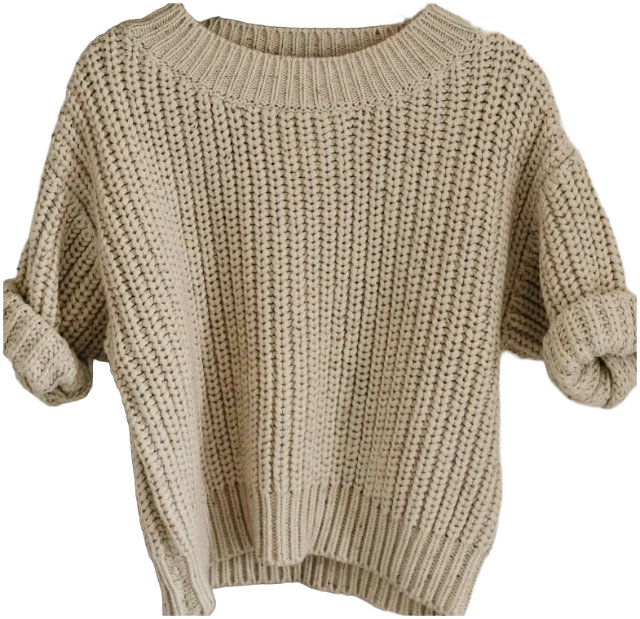
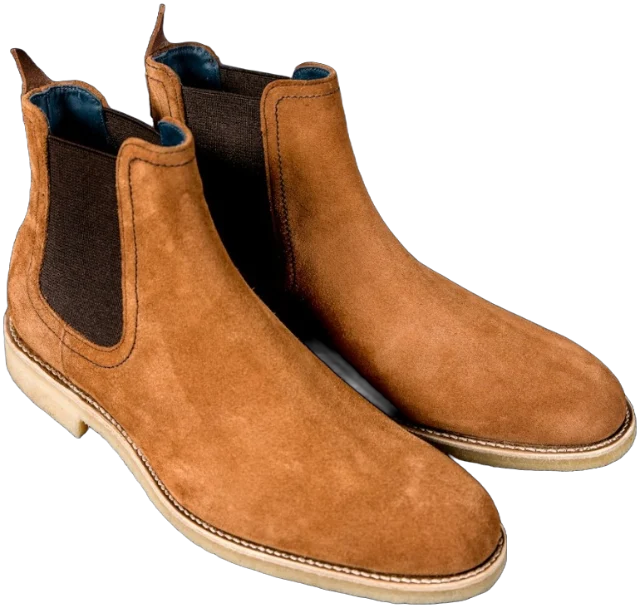
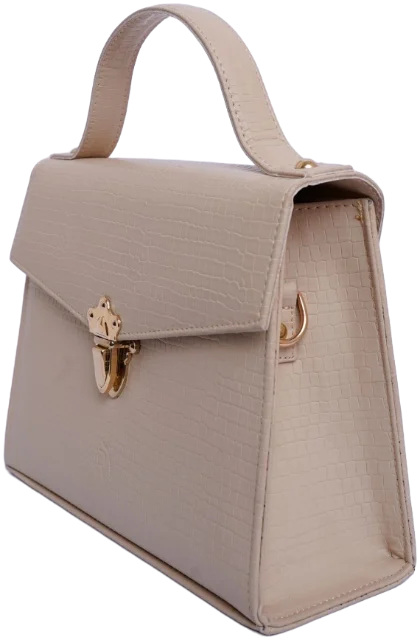
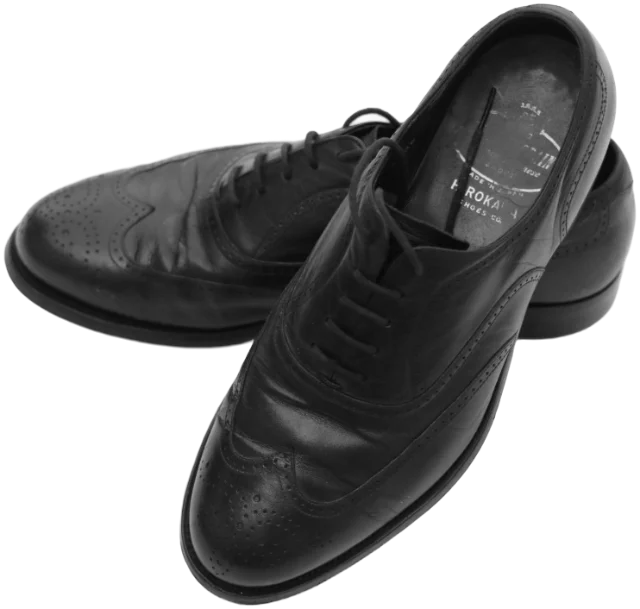
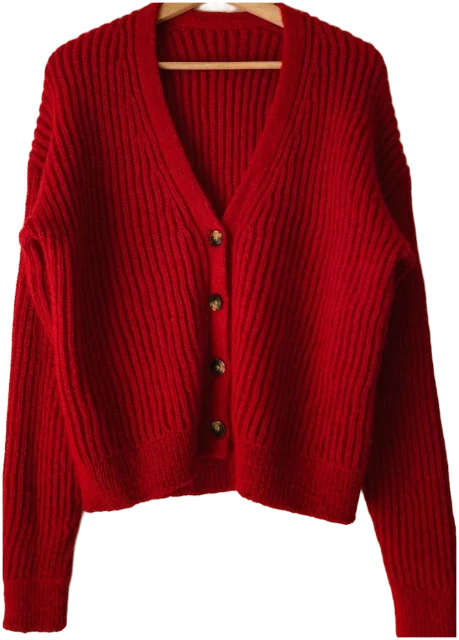
How many outfits can you make? Multiply the choices in each part of an outfit: tops × bottoms × shoes. Five tops, three bottoms and two pairs of shoes make 30. Optional pieces multiply by one more than you own, because ‘none’ is a choice: add two jackets and you have 30 × 3 = 90.
Key takeaways
- Multiply, don’t add: tops × bottoms, plus any dresses, then × shoes.
- Optional pieces multiply by one more than you own, because ‘none’ is also a choice.
- In a 10-piece example, one blazer worn on or off doubles 28 combinations to 56.
- The next piece worth buying is one that goes over or with everything, or fills your thinnest category.
- Find your real number by trying ten random combinations and counting the ones you’d wear out.
That’s the ceiling. The number you’ll actually wear is lower, for reasons we’ll get to. But the maths is worth knowing, because it shows which pieces earn their place and which next purchase would add the most.
The basic formula: multiply, don’t add
Each outfit is a set of choices made one after another: which top, which bottoms, which shoes. When the choices are independent, the total is the product of the options at each step. Three tops and two pairs of trousers don’t make five outfits; they make six, because every top can go with either pair.
Put the whole thing together and it looks like this:
Outfits = (tops × bottoms + dresses) × shoes × (knits + 1) × (jackets + 1)
- Dresses are added, not multiplied, because a dress replaces a top and bottoms rather than pairing with them.
- Shoes multiply with no +1, because you always wear a pair.
- Optional layers get +1, because “no knit” and “no jacket” are real options. One cardigan doesn’t multiply your outfits by one; it multiplies them by two.
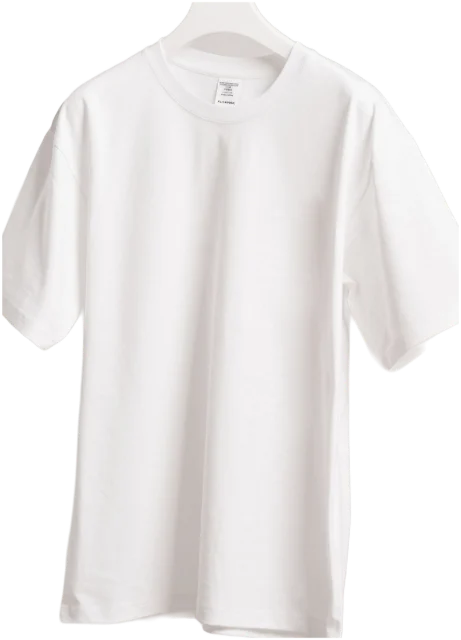
How many outfits can you make with 10 pieces? A worked example
Take a small, realistic set of ten pieces:
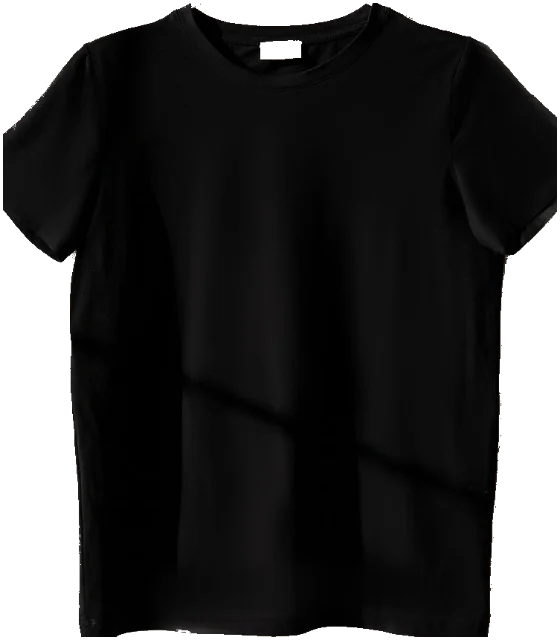
- 3 tops: a white tee, a black tee and a white shirt
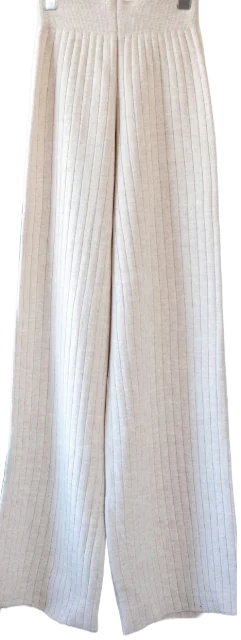
- 2 bottoms: dark jeans and cream wide-leg trousers
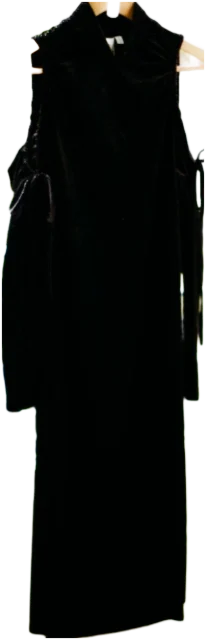
- 1 dress: a black midi dress
- 1 knit: a chocolate brown jumper
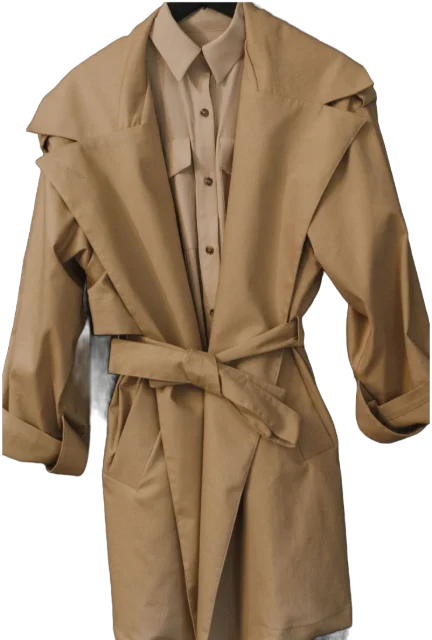
- 1 blazer: navy
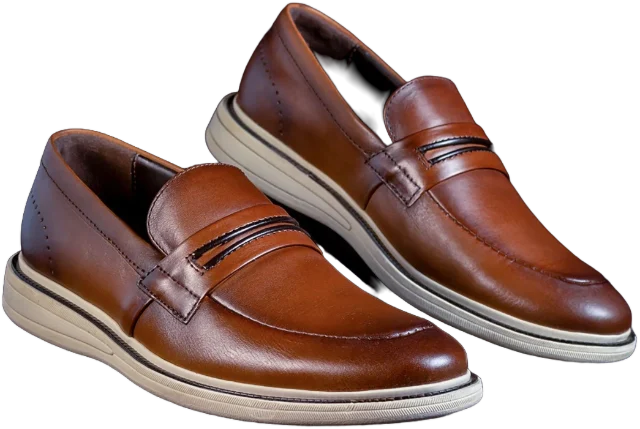
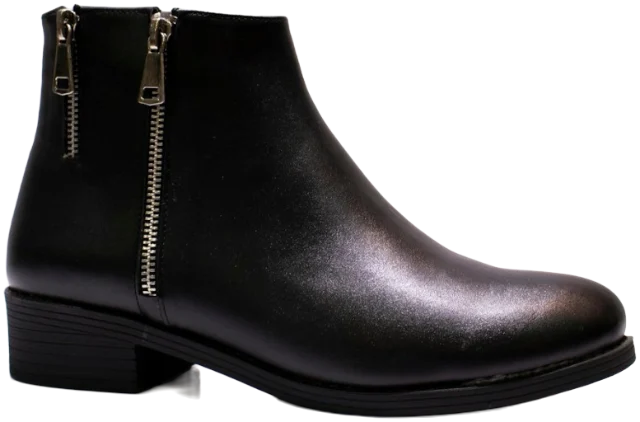
- 2 pairs of shoes: brown loafers and black leather ankle boots
Now build it up one step at a time.
| Step | What you’re choosing | Sum | Running total |
|---|---|---|---|
| 1 | A top and bottoms | 3 × 2 | 6 |
| 2 | Or the dress instead | 6 + 1 | 7 |
| 3 | Shoes | 7 × 2 | 14 |
| 4 | Jumper on or off | 14 × 2 | 28 |
| 5 | Blazer on or off | 28 × 2 | 56 |
Ten pieces, 56 combinations. Notice where the growth comes from. The tops, bottoms and dress, six pieces in all, make only 7 base outfits on their own. The four pieces that work with everything, the two pairs of shoes, the jumper and the blazer, multiply those into 56.
Which piece adds the most outfits?
Because it’s multiplication, the same purchase can add very different numbers depending on what you already own. Starting from the 56 above, here’s what one more piece would do:
- A coat you can wear over anything: 56 × 2 = 112. That’s 56 new combinations.
- A third pair of shoes: 7 × 3 × 2 × 2 = 84, so 28 more.
- A cardigan, worn instead of the jumper or not at all: 7 × 2 × 3 × 2 = 84, so 28 more.
- A third pair of trousers or a skirt: (3 × 3 + 1) × 8 = 80, so 24 more.
- A fourth top: (4 × 2 + 1) × 8 = 72, so 16 more.
- A second dress: 8 × 8 = 64, so 8 more.
Two lessons fall out of this. First, pieces that work with everything, such as layers and shoes, multiply the whole wardrobe, while a top or a dress only adds to one part of it. Second, your thinnest category is your bottleneck. Someone with eight tops and one pair of trousers gains eight pairings from a second pair of trousers, and just one from a ninth top.
The catch is that all of this assumes the new piece goes with everything. A coat in a colour that only suits two of your outfits adds two, not 56. That’s why the ceiling depends so heavily on how well your colours match.
Why many combinations aren’t wearable
The formula counts every combination as if it’s a good one. Real life filters them in five ways.
- Weather. On a 24°C day the jumper and blazer stay at home, and the 56 collapses to 14. On a 12°C day you’ll want at least one layer, which leaves 42.
- Dressiness. A tee and jeans under a sharp blazer works; a formal dress with walking shoes may not suit the day you’re dressing for.
- Colour. A neutral set like the one above has very few clashes. Add a patterned shirt and a bright bag, and some pairings stop working.
- Layering and proportion. A chunky knit under a fitted blazer may not fit, and wide trousers with a long, loose jumper is a lot of volume unless you tuck it in.
- You. Some combinations are perfectly sound and still not something you’d wear. That’s allowed.
To find your real number, try a quick test. Write your pieces on scraps of paper by category, draw ten random combinations, and try each one on. If six would leave the house, your wearable rate is about 60%, and 56 becomes roughly 34. Then look at the four that failed: they usually point to one problem piece or one missing link.
How layering and accessories multiply your options
Every optional category multiplies the total by one more than the number of pieces in it. That’s why layers and accessories are such good value.
- Layers: two knits or cardigans give three options (either one, or neither), so they triple your outfits. Add two jackets and you multiply by three again.
- Bags: if you always carry one, two bags double your outfits. If going without is an option too, they triple them.
- Belts, scarves, sunglasses: each one you can wear or leave off doubles the count.
- Pieces that play two roles: a shirt can be a top, or worn open over a tee as a light layer. That puts it in two categories at once.
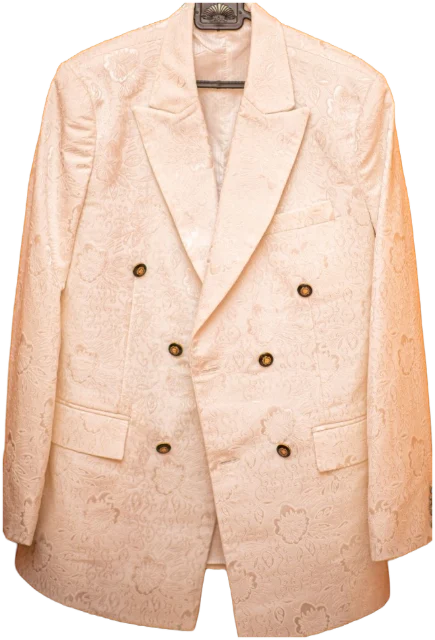
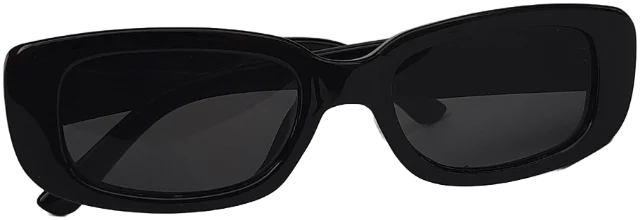
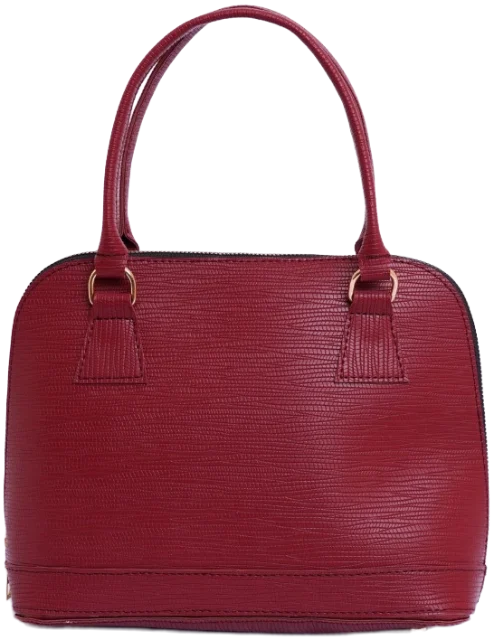
Here’s how fast it adds up. The 22-piece sample closet we use for the outfit boards on this Journal has four tops, two bottoms (jeans and trousers), two dresses, a jumper and a cardigan, two blazers and a coat, four pairs of shoes, three bags, a belt and sunglasses. Allowing a top or dress, an optional knit, an optional blazer or coat, one pair of shoes and up to two extras, it makes (4 × 2 + 2) × 3 × 4 × 4 × 13 = 6,240 combinations. The 13 covers every way of choosing up to two of a bag, the belt and the sunglasses, including none.
Nobody needs 6,240 outfits. The point is that a small, well-matched wardrobe is never short of combinations; it’s only ever short of the right ones for the day.
How many pieces do you need for a month of outfits?
Fewer than you’d think. A month has around 20 to 23 working days, and four tops, three bottoms and two pairs of shoes, nine pieces, already give 4 × 3 × 2 = 24 combinations. Add one jumper you can wear or leave off and it’s 48.
In practice you’ll want more than the minimum, for laundry, for weather and for the days you don’t feel like any of it. But the sum explains why a carefully chosen capsule can feel bigger than a crowded wardrobe. If you want to build one, start with our guide to building a capsule wardrobe; for a week away, the same maths is behind a travel capsule wardrobe.
Use the maths to buy less
Most of us already own far more combinations than we wear. WRAP’s 2022 survey found UK adults keep upwards of 118 items of clothing, including underwear and socks, with about a quarter not worn for at least a year (WRAP). Its earlier research put the clothes in the average household at around £4,000 (WRAP, 2012). The limit is rarely the number of pieces. It’s whether they go together.
So before you buy, run the sum. Ask how many new combinations a piece would create with what you own, and whether you’d wear them. A piece that unlocks twenty outfits will also have a far lower cost per wear than one that works with a single pair of trousers. And if you own plenty but still feel stuck, full wardrobe, nothing to wear covers the other reasons it happens.
Questions
How many outfits can you make with 5 tops and 3 bottoms?
Fifteen top-and-bottom pairings. With two pairs of shoes that becomes 30, and one jacket you can wear or leave off doubles it to 60.
Is it true that 10 pieces can make 30 outfits?
Mathematically, yes, and often more: four tops, three bottoms and three pairs of shoes give 36 combinations. How many you’d actually wear depends on colour, dressiness and the weather.
Does a dress count as one outfit?
A dress replaces a top and bottoms, so it adds one base outfit, which is then multiplied by your shoes and layers. With three pairs of shoes and one jacket, a single dress makes six combinations.
Do accessories count as new outfits?
For counting, yes, because a different bag or belt changes the look. In practice, treat accessories as a way to refresh outfits you already like rather than as completely new outfits.