The capsule wardrobe checklist: 30 pieces, and which ones you need
Tick it off against your own wardrobe, not a shop’s. Twenty pieces almost everyone wears, ten that depend on your life, and the checks that stop you buying the wrong version.
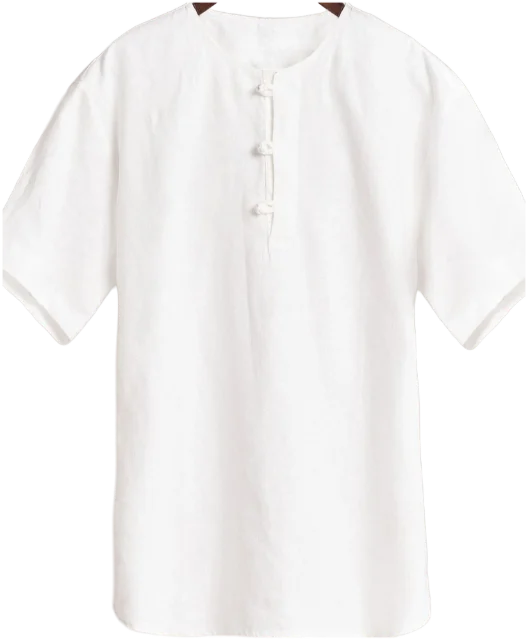
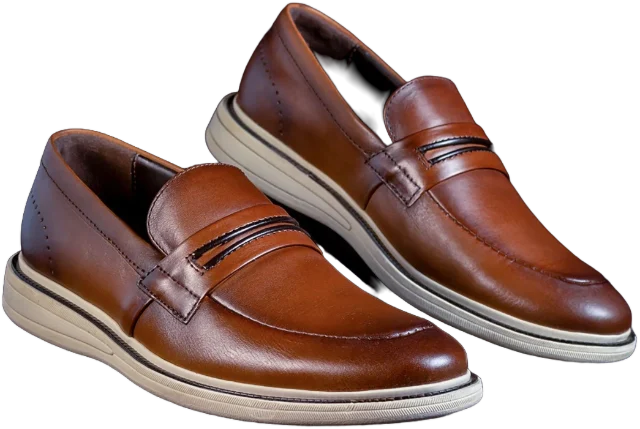
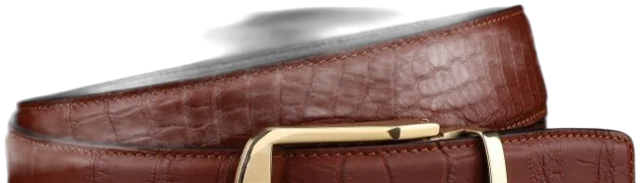
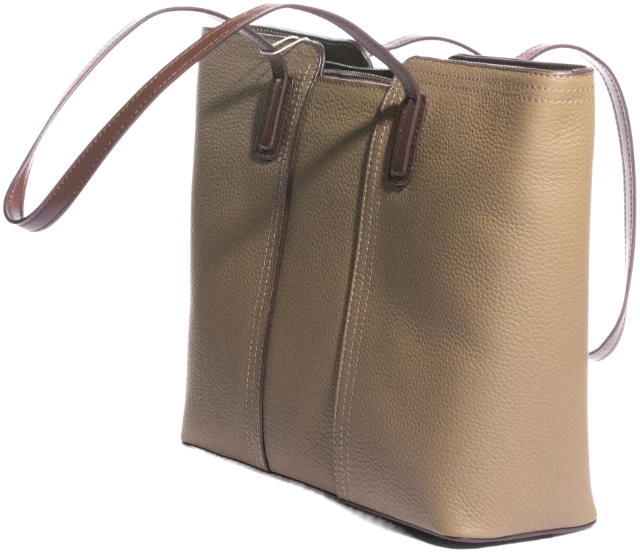
A capsule wardrobe checklist is a list of around 30 versatile pieces: 20 core essentials almost everyone wears (tees, a shirt, knits, jeans, tailored trousers, a blazer, a coat, three pairs of shoes) plus ten chosen for your own life. Tick off what you already own first; what’s left is your shopping list.
Key takeaways
- Tick the checklist against your own wardrobe first; only gaps you’ve felt in real life go on a shopping list.
- Twenty core pieces cover most lives; pick five or six of the ten optional ones to fit yours.
- Ask five questions before you buy, starting with whether it goes with three things you already own.
- Thirty seconds of quality checks (label, seams, buttons, lining) saves buying the same piece twice.
- Pass on what doesn’t make the list rather than binning it.
You’ll probably find you own more of this list than you expected. The trick is to use it as a mirror for your wardrobe, not as a catalogue.
How to use this checklist
Go through the list with your wardrobe doors open. Give every line one of three marks:
- Got it: you own it, it fits and you wear it.
- Got it, but: you own a version you don’t wear. Note why (wrong colour, poor fit, worn out), because that tells you what a replacement has to do differently.
- Gap: you don’t own it, and you’ve missed it in the last month.
Only the gaps go on a shopping list, and only once you’ve checked them against your actual week. The list assumes a mixed life of work, weekends and the odd evening out, in weather like Britain’s. If you want the process behind it first, start with how to build a capsule wardrobe.
The core capsule wardrobe checklist: 20 essentials
These are the pieces almost everyone wears, whatever their style. The colours are suggestions; swap in your own neutrals.
| # | Essential | What to look for |
|---|---|---|
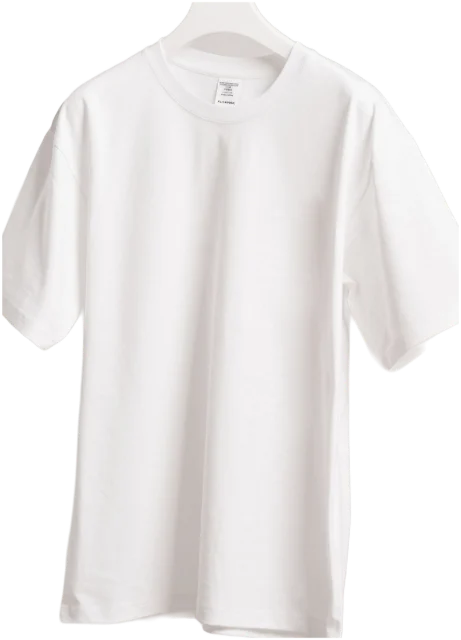
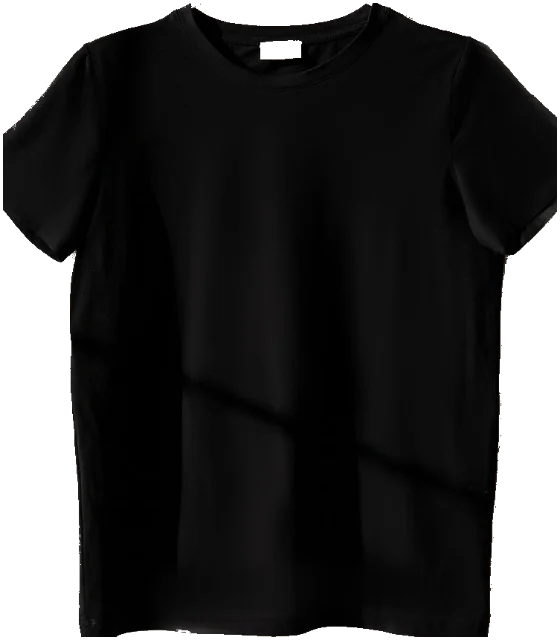
| 1 | White T-shirt | Heavier cotton that isn’t see-through, with a neckline you like under a jumper |
| 2 | T-shirt in your base colour | Black, navy or grey, in the same fit as the white one |
| 3 | Long-sleeved top | Fine jersey or a thin roll-neck for layering |
| 4 | Shirt | White, pale blue or a fine stripe that works tucked in and left out |
| 5 | Fine-knit jumper | Merino or cotton, thin enough to go under a blazer |
| 6 | Warm jumper | The chunky one, in a colour that sits well with your coat |
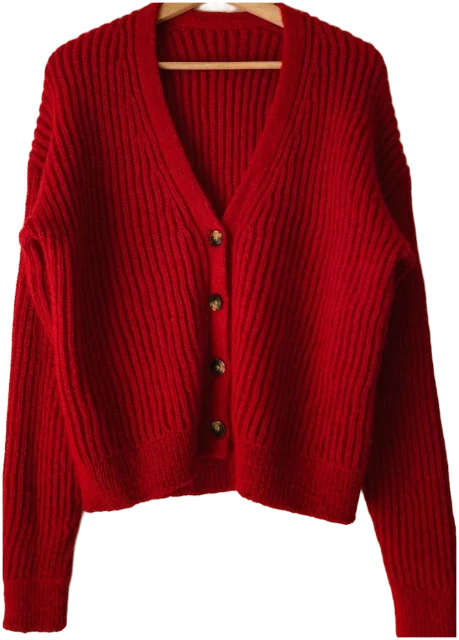
| 7 | Cardigan or overshirt | The layer you add when the heating is low |
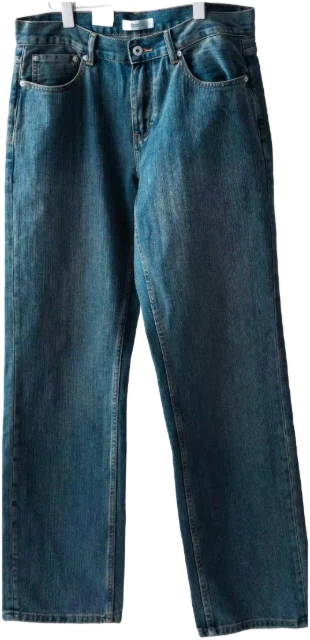
| 8 | Dark straight jeans | A dark, even wash with no rips, so they pass for smart |
| 9 | Tailored trousers | Navy, black, grey or cream, in wool or a good blend |
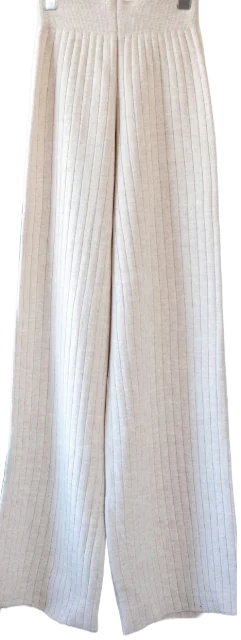
| 10 | Weekend trousers or a skirt | Chinos, wide-leg trousers or a midi skirt |
| 11 | Blazer | Fits over a fine knit and looks right with jeans |
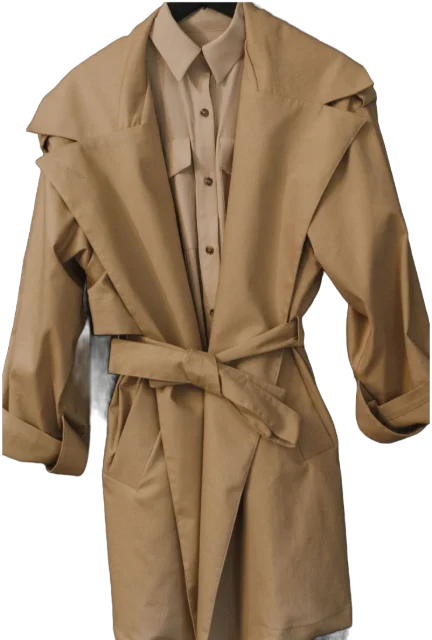
| 12 | Trench or mac | Shower-proof and long enough to cover the blazer |
| 13 | Winter coat | Wool or padded, in your base neutral |
| 14 | Smart shoes | Leather loafers, brogues or a low block heel |
| 15 | Trainers | Plain leather or canvas, kept clean |
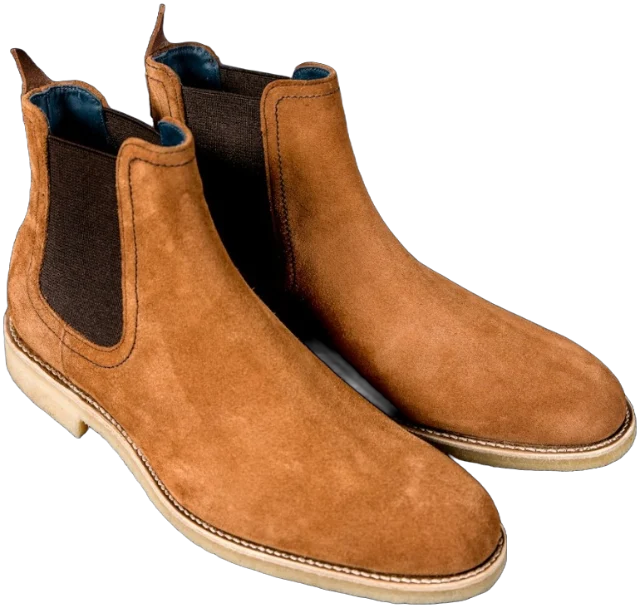
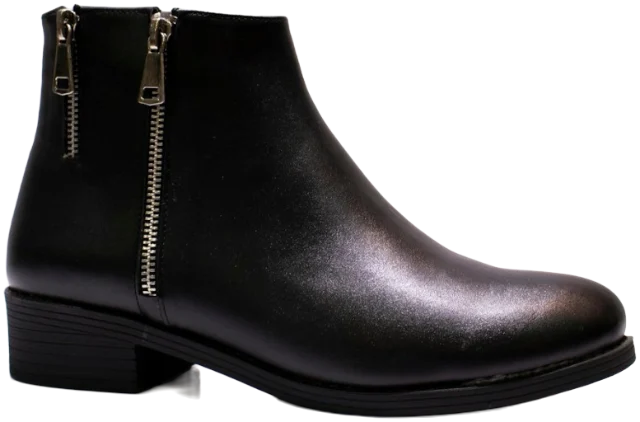
| 16 | Boots | Leather, with a sole that grips on wet pavements |
| 17 | Everyday bag | Big enough for a day’s things, and a laptop if you commute |
| 18 | Belt | Brown or black leather that matches your shoes |
| 19 | Scarf | Wool in winter, something lighter for colour the rest of the year |
| 20 | Wild card | One piece you love for no practical reason |
Number 20 isn’t a joke. A capsule made only of sensible pieces feels like a uniform, and you’ll start shopping to escape it. One joyful thing (a red cardigan, a printed scarf, a pair of snake-print boots) keeps the rest feeling like a choice.
Ten essentials that depend on your life
Pick the ones that match how you live. You’ll probably want five or six of these, not all ten.
- A midi dress you can dress up with a blazer or down with trainers
- A second dress or a jumpsuit, if dresses are what you reach for
- A suit, or a blazer and trousers that match, if work or weddings call for one
- A second blazer or jacket in a contrasting neutral
- A knit or cardigan in your accent colour
- A linen shirt or linen trousers for July and August
- Shorts or a summer skirt
- Sandals or summer flats
- Evening shoes: heels, dressy flats or highly polished lace-ups
- A small bag for evenings
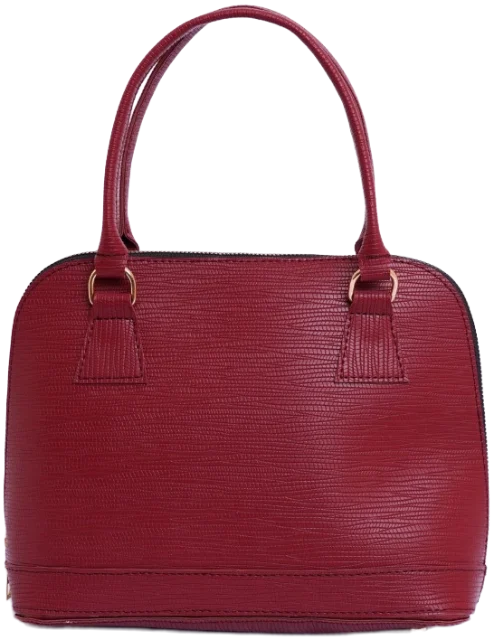
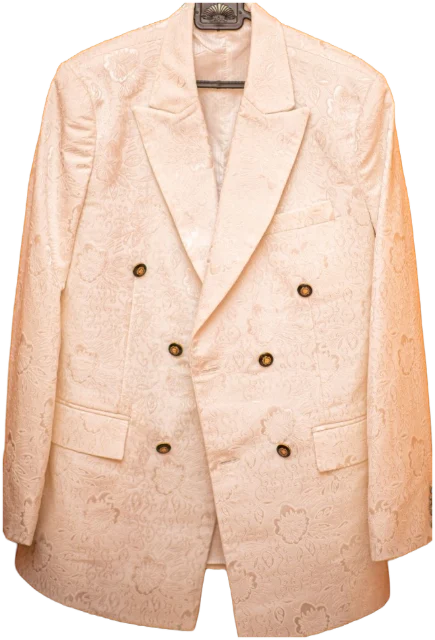
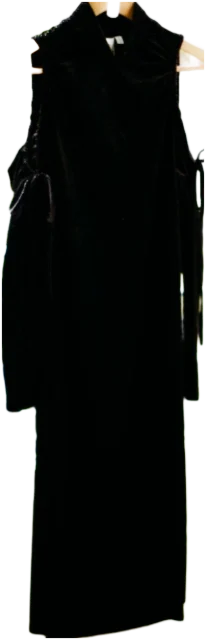
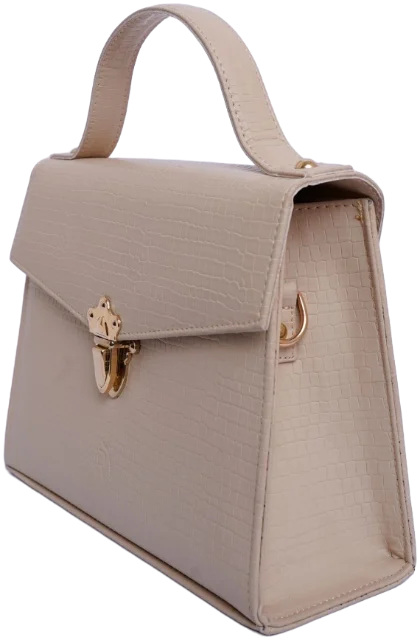
For menswear, swap the dresses for a suit and a second pair of trousers; our men’s capsule wardrobe goes into the details. If you’re in an office most days, the work capsule wardrobe takes the work half of this checklist further.
The extras that make the checklist work
These don’t count towards the 30, and nobody photographs them, but a capsule falls apart without them:
- Underwear in your skin tone. It’s what makes a white shirt or a pale knit wearable without a second thought.
- Socks and tights that match your trousers and shoes. Navy, black, brown or grey, so the line from hem to shoe doesn’t break.
- A thin thermal layer. It turns autumn pieces into winter ones without buying a second wardrobe.
- Decent hangers. Shaped ones for blazers and coats, and shelf space for knits, which stretch on hangers.
- A de-bobbler and a clothes brush. Five minutes with each makes a two-year-old jumper look new.
- A steamer or a good iron. When you own fewer clothes, each one is on show more often.
Before you buy: the five-question check
- Does it go with at least three things I already own? If not, it’s the start of a new wardrobe, not a gap in this one.
- Will I wear it in at least two seasons? A fine knit works from October to May. A sequinned top works on New Year’s Eve.
- Does it fit now, sitting down as well as standing? Not after a diet, and not once it’s been taken in.
- Can I see myself wearing it 30 times? If so, the price looks very different when you divide it by wears. Here’s how to work out cost per wear.
- Have I missed it three times? A gap you’ve felt on three separate mornings is real. A gap you noticed in a shop window is an advert.
If you reach question five and still want it, sleep on it. That alone stops a lot of regret; there are more tactics in how to stop impulse buying clothes.
The quality checklist
A capsule works each piece hard, so quality matters more than it does in a packed wardrobe. The Ellen MacArthur Foundation notes that some garments are estimated to be thrown away after just seven to ten wears (Ellen MacArthur Foundation). Thirty seconds in the changing room helps you avoid those:
- Read the label. Check the fibres and the care instructions. Dry clean only on something you’ll wear weekly is a cost you keep paying.
- Hold knits up to the light. If you can see through easily, expect it to lose shape and bobble quickly.
- Tug the seams gently. Stitches should be small and even and stay closed. Puckering now means splitting later.
- Check buttons and zips. Buttons sewn on firmly, neat buttonholes, zips that run smoothly.
- Look inside jackets and coats. A lining helps them hang well and last; raw, fraying edges are a warning.
- Check the hem. A little spare fabric means trousers can be let down or altered later.
What to do with everything that didn’t make the list
Running the checklist usually leaves a pile. Please don’t bin it. WRAP estimates that, on average, each person in the UK throws 35 items of unwanted textiles straight into general waste every year, and that almost half (49%) of all used textiles end up in the rubbish bin (WRAP, 2024).
- Store it if it’s seasonal and you’ll want it back in six months.
- Repair or alter it if the only problem is a hem, a button or a waistband.
- Sell it on a second-hand marketplace if it’s in good condition.
- Swap or lend it to friends who’ll actually wear it.
- Donate it to a charity shop, or take anything worn out to a textile bank.
If friends might want some of it, Closetboard’s Lend & gift sends them a link to the pieces you’ll lend or give away, and you get a notification when someone asks. For a gentler clear-out, see how to declutter your wardrobe.
Keep the checklist working
Run through the list again every spring and autumn. Replace core pieces like for like when they wear out, so a tired white tee becomes a new white tee, not a new idea. And keep what you have in use for longer: WRAP found that extending the average life of clothes by just three months of active use would cut their carbon, water and waste footprints by 5–10% each (WRAP, 2012).
A checklist that’s all ticks isn’t the goal. A wardrobe where every tick gets worn is.
Questions
What are the 10 essentials of a capsule wardrobe?
If you could only have ten: a white tee, a shirt, a fine knit, dark jeans, tailored trousers, a blazer, a warm coat, smart shoes, boots and an everyday bag. Add a trench or mac if you live somewhere it rains often.
Do I need everything on a capsule wardrobe checklist?
No. Treat it as a menu: tick off what you own, then buy only the gaps you’ve noticed while getting dressed. A missing item you never miss isn’t a gap.
What is the five-piece rule?
It’s a buying rule rather than a wardrobe size: you add about five new pieces each season, and replacement basics such as tees don’t count. It works well as a brake on shopping once your capsule is in place.
Should a capsule wardrobe be all neutrals?
Mostly, because neutrals mix easily, but one or two accent colours make it feel like yours. Patterns work too if they share colours with the rest of the capsule.