How to organise your wardrobe so getting dressed is easy
Most wardrobes don’t need more space. They need to show you what’s in them. Here’s how to set yours up for getting dressed, not just for storage.
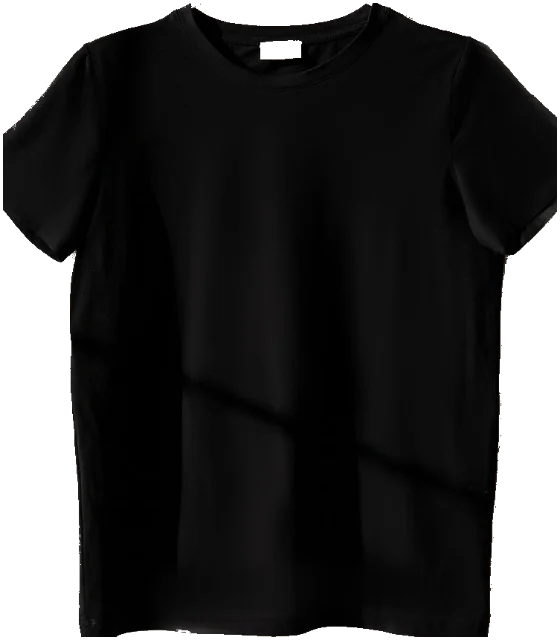
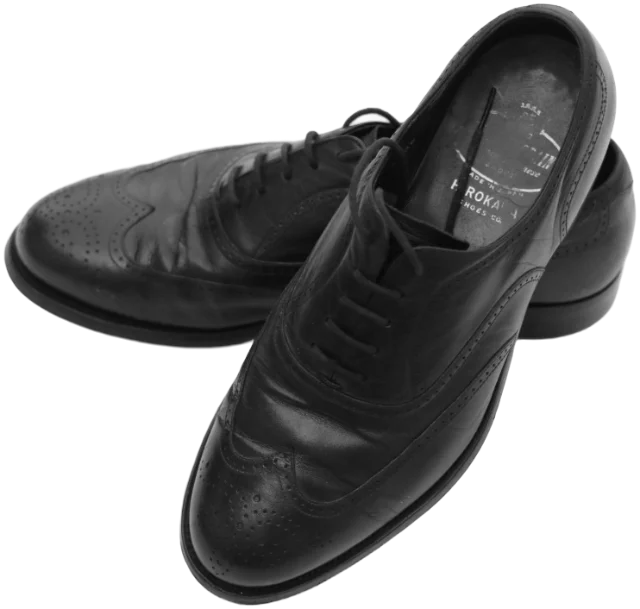
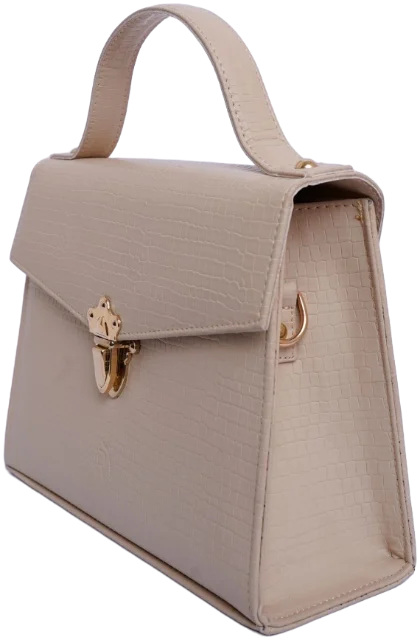
To organise your wardrobe, take everything out, keep only what fits and gets worn, then put it back by category and by how often you wear it. Everyday pieces go at eye level and arm’s reach; occasion and off-season clothes go higher up or into storage. Hang what creases, fold knitwear, and give every piece a home.
Key takeaways
- Edit before you organise: storing clothes you don’t wear only gives them better accommodation.
- Hang what creases or has structure; fold what stretches, especially knitwear.
- Give the space between eye level and hip to the clothes you wear every week.
- In the UK, swap seasons around October and April or May, but keep a trench and a light knit out all year.
- Clean wool before you store it: moth larvae prefer stained or dirty fabric.
That’s the short version. The long one follows: the order to do it in, what to hang and what to fold, how to lay out a small or shared wardrobe, when to swap seasons in a British autumn, and the few habits that stop it all sliding back into a heap by February.
Why an organised wardrobe beats a bigger one
Most of us don’t need more space; we need to see what we already own. A 2022 study by the sustainability charity WRAP found the average UK adult keeps upwards of 118 items of clothing, and a quarter of them (about 31 pieces) hadn’t been worn for at least a year. The top reasons people gave: the piece is only for occasions, it no longer fits comfortably, or they like it but it’s never a priority.
That last one is often an organisation problem. A piece you like but never reach for is usually a piece you can’t see: wedged behind a coat, folded at the bottom of a pile, or hanging nowhere near the trousers it goes with. It adds up, too. WRAP’s earlier research valued the clothes in the average UK household at around £4,000.
A well-organised wardrobe turns the morning question from “what do I even have?” into “which of these do I want today?” If you regularly stand in front of a full rail feeling you have nothing to wear, this is where the fix starts.
How to organise your wardrobe, step by step
Set aside a morning or an afternoon. You’ll need bin bags, a few boxes, matching hangers if you can get them, and a mirror.
- Empty it. Take everything out: rail, shelves, drawers and the floor underneath. Vacuum the corners and wipe the shelves while they’re bare. This is also your moth check (more on that below).
- Edit before you organise. Sort into keep, maybe, repair and go. Organising clothes you don’t wear just gives them nicer accommodation. If this is the big job for you, start with our guide to decluttering your wardrobe without regret.
- Group by category. Shirts with shirts, knitwear with knitwear, trousers with trousers. You think in categories when you get dressed (“I need a top”), so that’s how the wardrobe should read.
- Split by season and frequency. Within each category, separate what you wear every week, what you wear now and then, and what belongs to the other half of the year.
- Decide what hangs and what folds. The table below covers the usual suspects.
- Put it back by zone. Weekly pieces in the easiest spots, occasional ones at the ends, off-season clothes out of the way entirely.
- Order each section. Light to dark within a category, or short sleeves to long. Either way, you’ll spot a gap or a fourth grey jumper at a glance.
What to hang and what to fold
The rule of thumb: hang anything that creases or has structure, and fold anything that stretches. Gravity is the enemy of knitwear; a heavy jumper left on a hanger slowly pulls its own shoulders out of shape.
| Piece | Hang or fold | How |
|---|---|---|
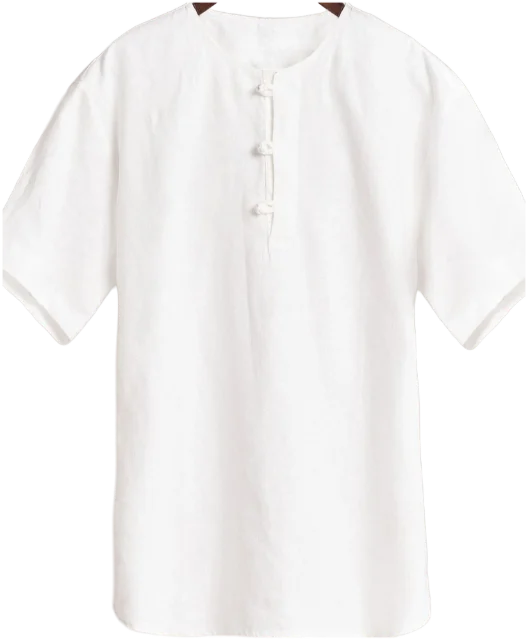
| Shirts and blouses | Hang | Do up the top button so the collar keeps its shape |
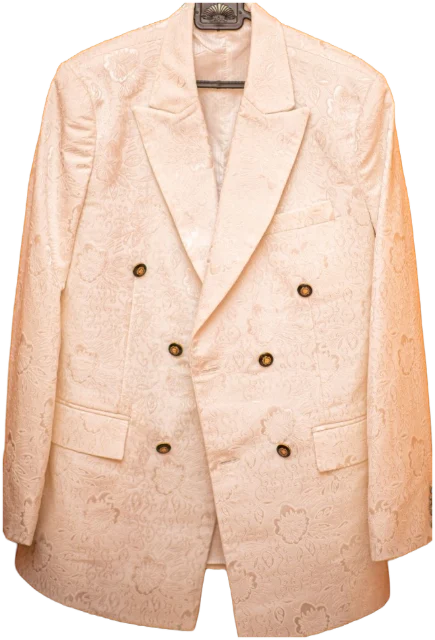
| Blazers and coats | Hang | Wide, shaped hangers that fill the shoulders |
| Woven dresses | Hang | Use the inner hanging loops on heavy or slippery fabrics |
| Knitted dresses | Fold | Fold in thirds and keep flat, like a jumper |
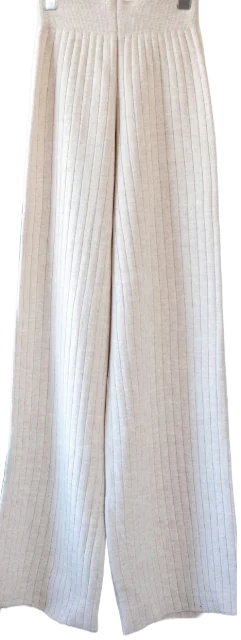
| Smart trousers | Hang | Clip by the hem, or fold over the bar along the crease |
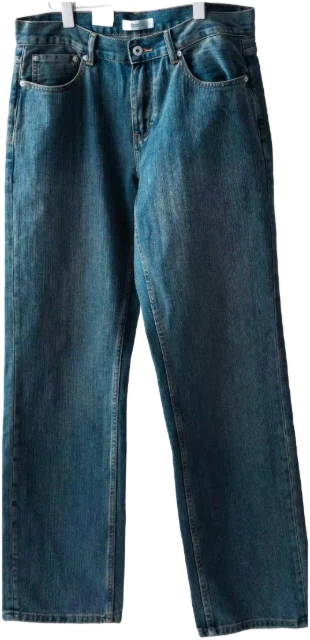
| Jeans | Either | Stack folded on a shelf if you have one; denim doesn’t mind |
| T-shirts and vests | Fold | File-fold upright in a drawer so you see every one |
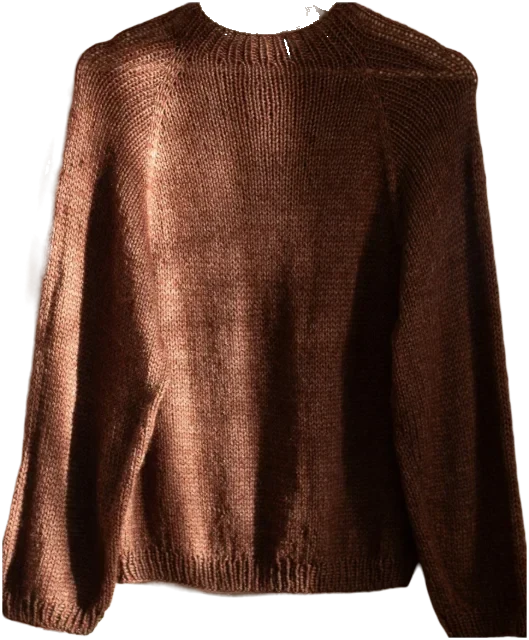
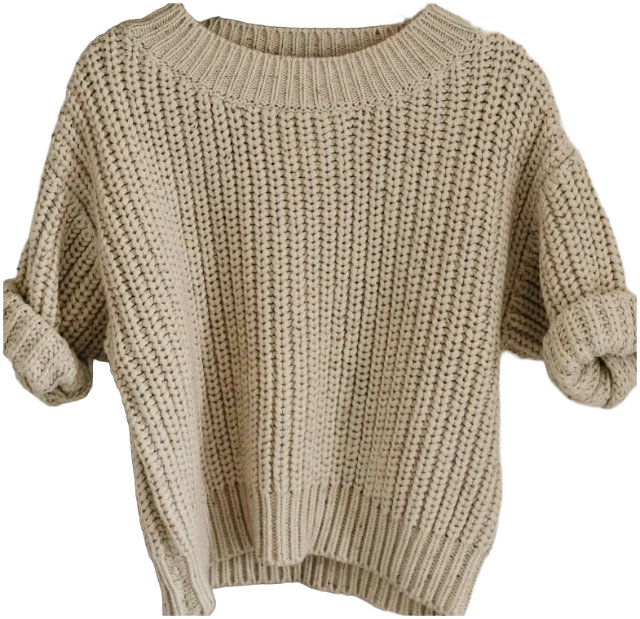
| Jumpers and cardigans | Fold | Stacks of four or five at most, heaviest at the bottom |
| Sportswear and loungewear | Fold or roll | A drawer or box of its own, away from the prime zone |
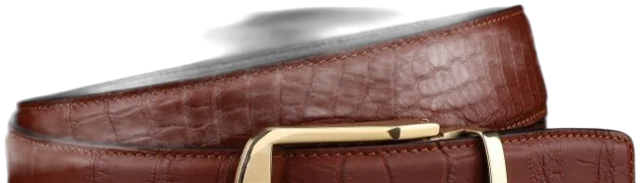
| Belts, scarves and ties | Hook or roll | Hooks inside the door, or rolled in a shallow drawer |
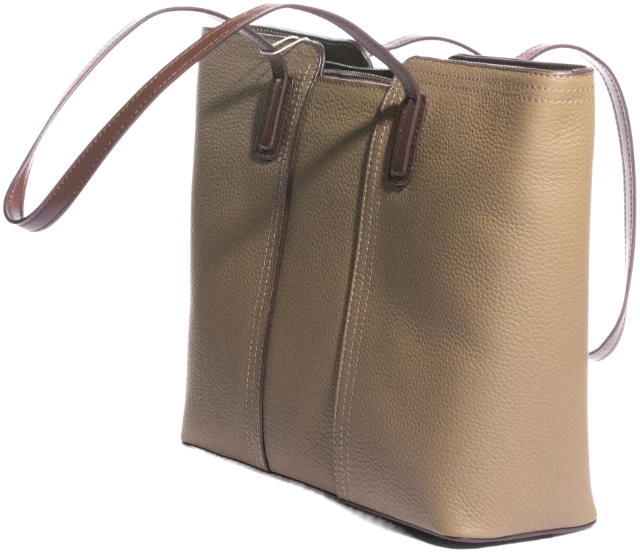
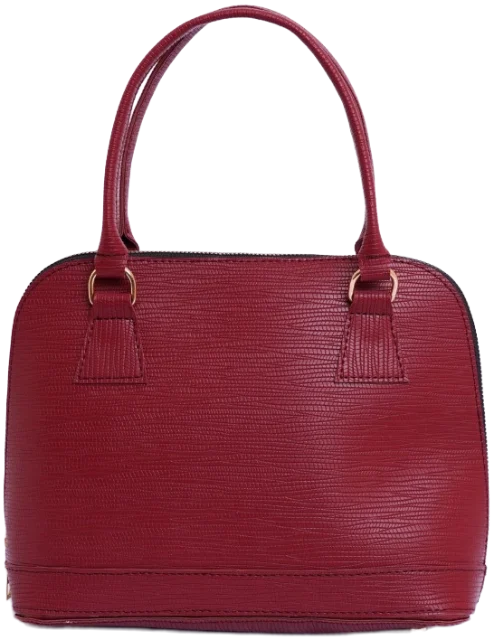
| Bags | Shelf | Upright, stuffed with tissue or a scarf to hold their shape |
Short of shelf space for knitwear? Fold a light jumper in half lengthwise and drape it over the bar of a hanger, so its weight sits on the body rather than the shoulders. Keep chunky knits flat whatever happens.
How to arrange your wardrobe for getting dressed
Most storage advice stops at “hang it neatly”. But a wardrobe is a tool for getting dressed, so arrange it in the order you build an outfit.
- The prime zone. The space between your eye line and your hips is the most valuable in the room. Give it to what you wear every week, not to the coat you wear twice a year.
- Left to right. Tops, then layers (knits, blazers), then trousers and skirts, then dresses. You can put an outfit together by moving your hand along the rail.
- Shoes where you can see them. One row on the wardrobe floor or a low rack, never a heap. If you can’t see a pair, you won’t wear it.
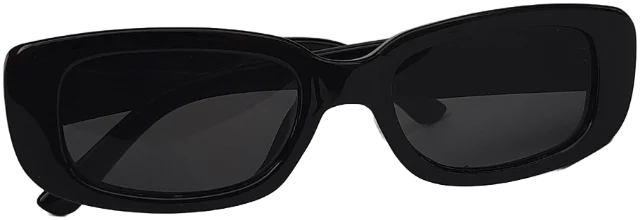
- Accessories in view. Belts on hooks, bags upright on a shelf, sunglasses in a tray. Accessories finish outfits, so they shouldn’t be the hardest things to find.
- An outfit hook. One hook on the door for tomorrow’s outfit turns a ten-minute morning debate into a decision made the night before. It’s the first step towards planning your outfits for the week.
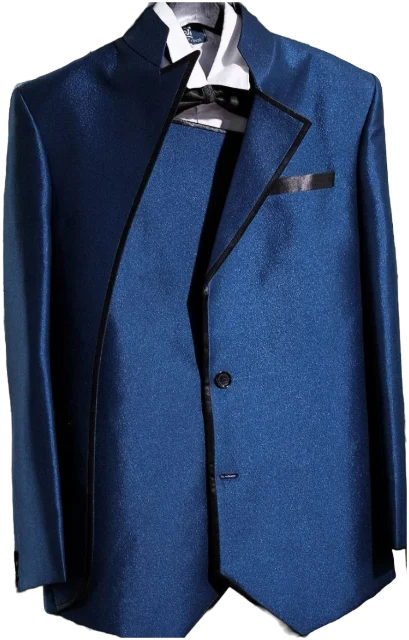
Sharing a wardrobe? Split it by zone rather than by whoever got there first. Each of you gets a fair share of the prime zone, and the high shelves and the space under the bed become shared storage for both of your off-season clothes.
Small wardrobe ideas that actually help
A small wardrobe forces an edit, which is no bad thing. After that, make every centimetre work.
- Add a second rail. Shirts, jackets and folded trousers don’t need full-length hanging space, so a hanging rail extender beneath the main rail can double the room for short pieces. Keep one end free for dresses and long coats.
- Use the door. Over-door hooks or a slim organiser take belts, scarves, a bag or two and tomorrow’s outfit.
- Go under the bed. Lidded boxes for off-season clothes, labelled on the short end so you can read them without pulling them out.
- Store clothes in your suitcase. It sits empty most of the year. Fill it with swimwear and summer clothes, and you’ll know exactly where they are when you pack.
- Divide your drawers. Small boxes or dividers stop file-folded rows collapsing every time you pull one out.
- Stop at full. When the rail is full, the rule becomes one in, one out. A natural limit is a gift.
How to store seasonal clothes in the UK
Britain doesn’t do tidy seasons, so a seasonal swap works best as two big moves with a buffer. Around mid-October (about now), summer dresses, linen and sandals can go into storage. Around late April or May, heavy coats and thick wool come out of rotation.
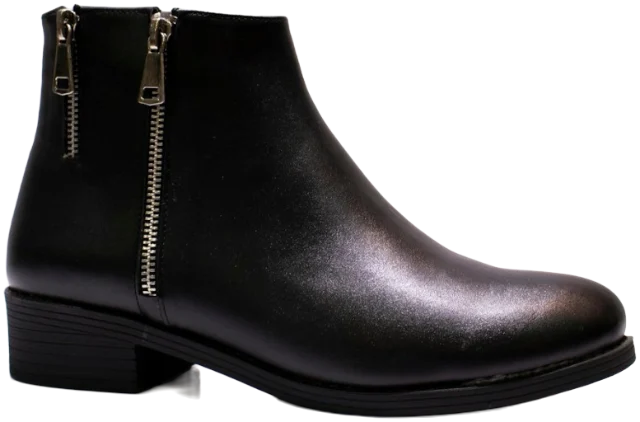
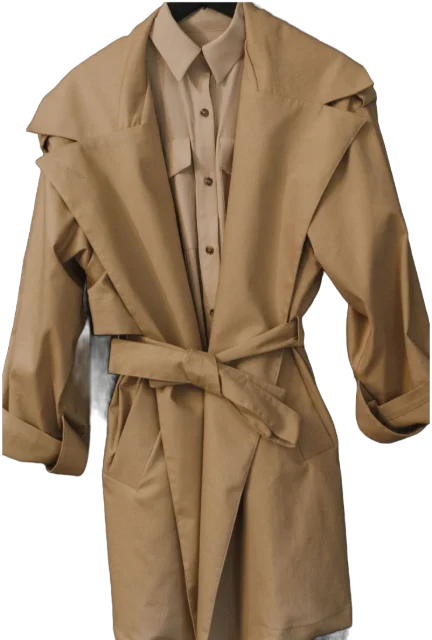
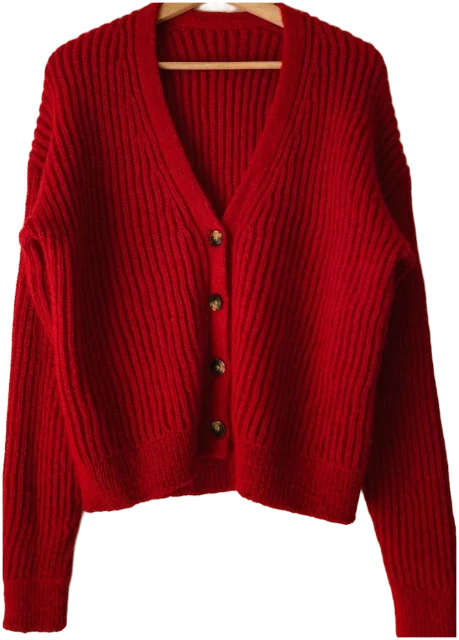
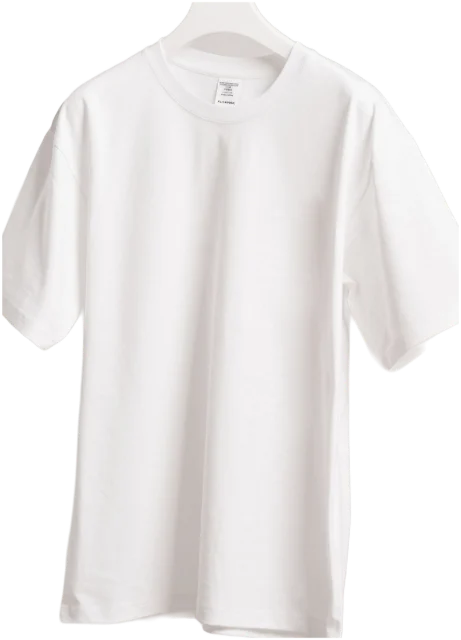
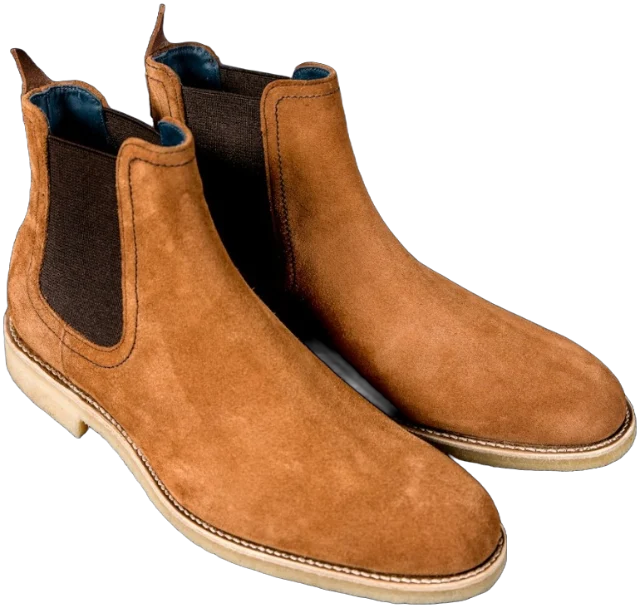
Keep a transition layer out all year: a trench, a light knit and a pair of boots will see you through the cold, wet June day and the oddly mild one in December.
Clean everything before it goes away
Clothes-moth larvae digest keratin, the protein in wool, fur and feathers, and conservators at Amgueddfa Cymru – Museum Wales note that they prefer food that is stained or dirty. So wash or clean knitwear before you store it, even if you only wore it once. A jumper put away with a faint food mark is an open invitation.
Choose the right container
Breathable cotton bags or lidded boxes suit wool and cashmere. Vacuum bags save the most space and are fine for summer cottons and spare bedding, but leave down coats and chunky knits uncompressed if they’re going away for months, so they keep their loft.
Before the lid goes on, write a list of what’s inside and tape it to the box. It saves you opening four boxes in April to find one pair of sandals.
How to keep your wardrobe organised
The setup takes an afternoon. Keeping it takes a few small habits.
- Give “worn once” clothes a home. The chair in the corner exists because clean-ish clothes have nowhere to go. Two hooks or a short rail for them solves it.
- Do a five-minute reset each week. Rehang, refold, return the strays from the chair and the floor.
- One in, one out. Every new piece needs a space, so something leaves when it arrives.
- Turn your hangers. Hang everything facing the same way and turn a hanger round when you wear the piece. At the next seasonal swap, the hangers that never turned tell you what to question. For more precise methods, see how to track what you wear.
- Judge new buys by use, not price. A piece that earns a place in the prime zone is a good buy; working out its cost per wear tells you how good.
Some people go a step further and keep a photo inventory of their clothes, so they can plan outfits on the bus and check what they already own before buying more. Our guide to making a digital wardrobe explains how to set one up.
Questions
Should I organise my wardrobe by colour or by type?
By type first, then by colour within each type. Type matches how you get dressed (you reach for a top, then trousers), and a light-to-dark order inside each section makes gaps and duplicates obvious.
How often should I reorganise my wardrobe?
A five-minute tidy once a week and a proper reorganise twice a year, when you swap your seasonal clothes. In the UK that usually means October and late April or May.
Where should I keep clothes I only wear for occasions?
At the ends of the rail or on a higher shelf, in breathable garment bags if they’re delicate. Check them at each seasonal swap; if a piece hasn’t been worn in two years, think about lending, selling or restyling it.
How do I organise a wardrobe with no drawers?
Use open boxes or shelf dividers for folded clothes, a hanging fabric organiser on the rail for T-shirts and knitwear, and hooks on the inside of the door for belts, scarves and bags.