How to track what you wear, and why outfit repeating is good
Your memory of your wardrobe is flattering and wrong. A month of honest notes shows what you really wear, and gives you permission to wear it again.
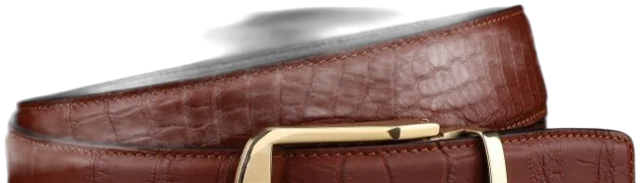
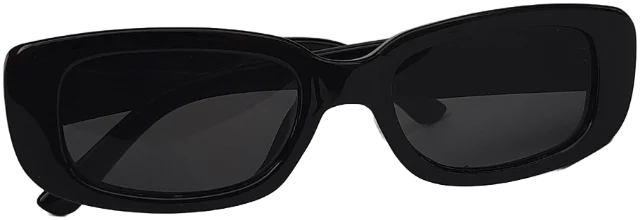
To track what you wear, log each day’s outfit in one place (a notes app, a photo album, a spreadsheet or a wardrobe app) with the date and the occasion. After four to eight weeks you’ll see what you really reach for, what never leaves the hanger and which outfits deserve repeating. And repeating them is a good thing.
Key takeaways
- Log the date, every piece and the occasion each day; it takes under a minute.
- After four to eight weeks, read the log for your most-worn pieces, your never-worn pieces and the formulas you repeat.
- People notice your outfits far less than you think, so repeat the ones that work.
- Every repeat lowers cost per wear and gets more use out of clothes you already own.
- Change one piece, such as the shoes or a layer, and a repeat feels new.
This guide covers the methods, what’s worth writing down, how to read the results, and the case for outfit repeating, which is stronger than the internet’s fear of being seen in the same thing twice would suggest.
Why track what you wear?
Memory is a poor witness. You remember the outfits that felt special and forget the fortnight you spent in the same jeans. Meanwhile, a 2022 study for WRAP found that about a quarter of the average UK adult’s clothes hadn’t been worn for at least a year. Tracking tells you which quarter is yours.
A simple wear log helps you:
- See your real style. Not the one you shop for, the one you live in.
- Find the orphans. Pieces you like but never wear, usually because they don’t go with anything or aren’t comfortable.
- Get honest numbers. Real wear counts make cost per wear a fact rather than a hopeful guess.
- Shop for gaps, not duplicates. You stop buying a fifth navy jumper when you can see you wear two.
- Clear out with evidence. A log takes the agonising out of decluttering your wardrobe.
Five ways to track your outfits
The best method is the one you’ll still be using in three weeks. Pick by how much effort you’ll honestly put in.
| Method | How it works | Effort | Best for | Watch out for |
|---|---|---|---|---|
| Hanger trick | Hang everything facing one way; turn a hanger round when you wear the piece | Very low | Spotting what never gets worn | Only covers hanging clothes, and records no outfits |
| Notes app or diary | One line a day: date, pieces, occasion | Low | Habits and patterns | No pictures, and easy to skip |
| Photo diary | A mirror photo each morning, saved to one album | Low | Seeing which outfits work on you | Hard to count wears from hundreds of photos |
| Spreadsheet | One row per day, a column for each piece or category | Medium | Counting wears and cost per wear | Fiddly on a phone |
| Wardrobe app | Log outfits made from photos of your own clothes | Low once set up | Counts, outfit history, never-worn lists | Adding your clothes takes an evening at the start |
You can combine them. The hanger trick runs quietly in the background for a whole year, while a notes-app log over a month gives you the detail.
What to record each day
Keep it to under a minute, or you’ll stop. Five things are enough:
- The date.
- Every piece, shoes and bag included. “Navy jumper, dark jeans, brown loafers.”
- The occasion: work, weekend, evening, travel.
- The weather, roughly: “9°, drizzle”. Over a season this shows you what you actually wear at each temperature.
- A verdict: would wear again, fine, or never again. Add a word on why if something pinched, itched or felt wrong.
A finished entry can be as short as this:
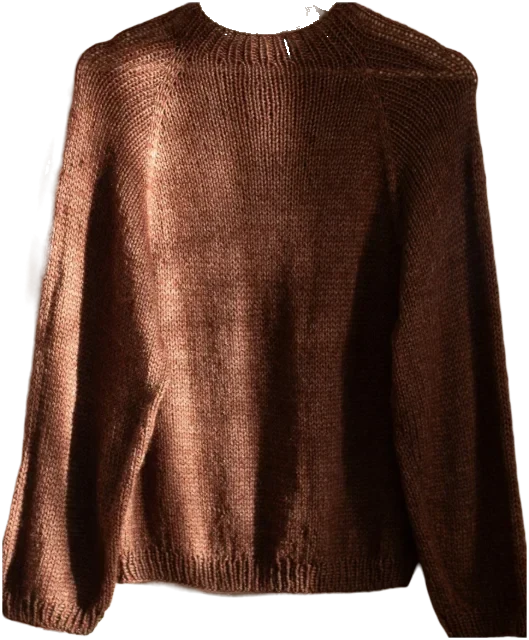
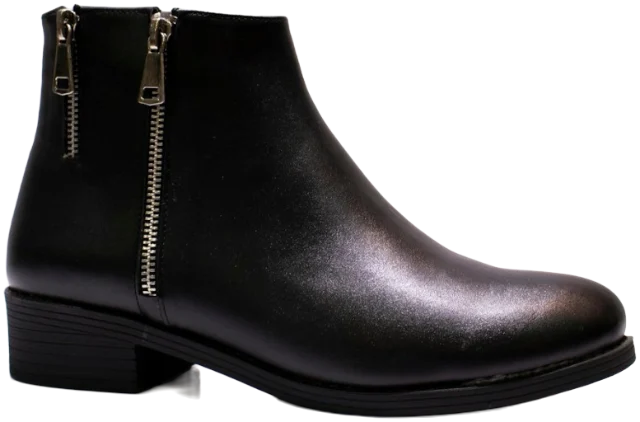
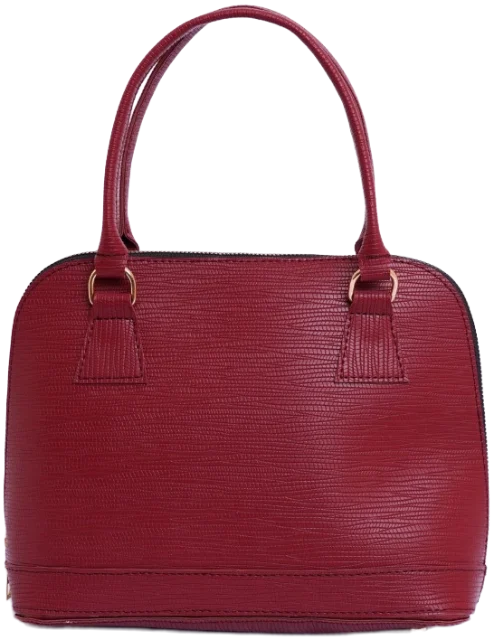
Tue 13 Oct. 11°, showers. White shirt, chocolate knit, cream trousers, ankle boots, burgundy bag. Work. Would repeat, though the knit was too warm on the train.
That’s twenty-odd words, and a month of them tells you more about your wardrobe than any clear-out ever will.
How to read your wear log after a month
After four weeks, sit down with your log for twenty minutes and look for five things.
- Your most-worn pieces. What do they have in common: a colour, a fit, a fabric, a level of comfort? That’s your style, and it’s what to buy more like.
- Your never-worn pieces. For each one, name the reason. Fit, comfort, no partner piece, wrong season, too precious to risk. Most reasons have a fix; the rest point to the charity bag.
- Your repeated combinations. Tee, jeans, boots three times a week isn’t boring; it’s a formula. Write it down, then try it with different pieces using our outfit formulas.
- Things you wear around. If you always wear the same shoes because the others hurt, or always reach for one jacket because nothing else is warm enough, you’ve found a genuine gap.
- Your life versus your wardrobe. If most logged days were workdays but most of your clothes are for weekends, that mismatch is why getting dressed feels hard.
That last point is the root of the full-rail, nothing-to-wear feeling. The log doesn’t just describe it; it shows you exactly where to start.
Turn the findings into three actions
Don’t try to fix everything at once. From each month’s log, pick one never-worn piece to wear this week, one piece to mend or alter, and one to let go. Twelve months of that is a wardrobe that works, without a single dramatic weekend.
Keep a season in view
A month only shows you one slice of the year. Leave the hanger trick running in the background, and at each seasonal swap check which coats, knits or summer pieces never turned round. A linen shirt that went unworn through a wet British summer deserves another go; one that missed two summers doesn’t.
Why outfit repeating is a good thing
Somewhere along the way, wearing the same outfit twice became a faux pas. A 2018 survey of 2,002 UK adults, reported by Retail Gazette, found almost one in ten shoppers had bought clothing only to take a photo for social media, then returned it. Here’s why you can relax.
Nobody is keeping count
In a study at Cornell, students asked to wear an embarrassing T-shirt into a room guessed that about half the people there would notice it. As Cornell’s alumni magazine reported, the reality was less than a quarter. Psychologists call it the spotlight effect. A follow-up paper by the same research group found we also overestimate how much others notice the ups and downs in our appearance and performance. Your colleagues are busy thinking about their own clothes.
It’s cheaper
Every wear lowers the cost per wear of everything in the outfit. A favourite worn every week is the best value you own.
It’s greener
The Ellen MacArthur Foundation says clothing production has roughly doubled over 15 years while clothing use has fallen by almost 40%, and some garments are thrown away after just seven to ten wears. Wearing what you have, again and again, is the simplest way to make your wardrobe greener.
It works at work
Repeating is easiest of all at the office. Three or four outfits you trust, rotated through the week with different shoes or layers, look consistent and considered rather than samey. Nobody in the meeting is cross-referencing your Tuesdays.
It’s what well-dressed people do
Think of the best-dressed person you know. You can probably describe their look in a sentence, because they wear versions of the same few outfits. Repeating isn’t a lack of imagination. It’s proof the outfit works.
How to repeat outfits so they feel fresh
If a straight repeat feels flat, remix instead. Keep most of the outfit and change one thing:
- Swap the shoes. The quickest change, and it shifts how dressy an outfit reads.
- Add or remove a layer. A knit over a shirt, a blazer over a tee, a coat over everything.
- Change the bag or belt. Small pieces, big effect.
- Keep the top half or the bottom half. Yesterday’s trousers with a different top is a new outfit.
- Repeat the formula, not the pieces. “Knit, wide trousers, boots” works in five colour combinations.
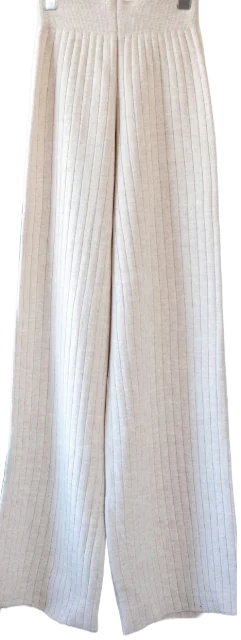
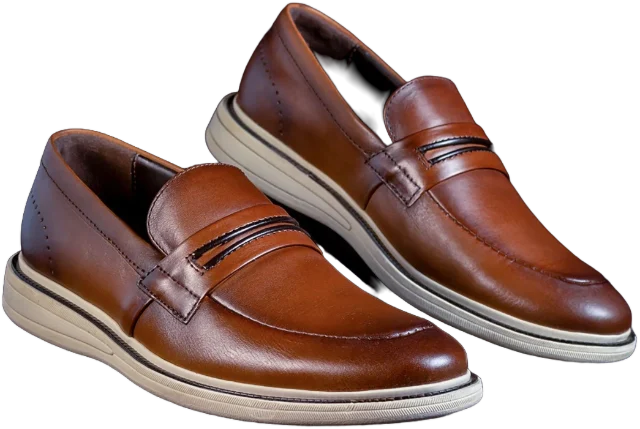
And yes, you can wear the same outfit to two events with the same people. If you felt great in it the first time, that’s the best reason there is.
How to make tracking a habit
- Attach it to something you already do: leaving the house, the commute, brushing your teeth.
- Log the night before if you lay out tomorrow’s clothes; just correct it if you change your mind.
- Don’t chase a perfect record. A log with gaps is still far more honest than memory.
- Review little and often: two minutes on a Sunday, twenty at the end of the month.
- Keep it where your clothes are. If your wardrobe is already photographed, logging takes seconds; our guide to making a digital wardrobe shows how. If it isn’t, start by learning how to organise your wardrobe so every piece is easy to see.
Questions
How long should I track my outfits for?
Four weeks shows your everyday habits and eight is better. To judge seasonal clothes fairly, keep a lighter log, or a hanger check, running for a full year.
Is it bad to wear the same outfit twice in one week?
No. If it’s clean and you like it, wear it. Other people notice far less than you expect, and a good outfit worn often is the best value in your wardrobe.
Should I log clothes I only wear at home?
Log what you get dressed in to leave the house. Track loungewear and gym kit separately if you’re curious, but keep them out of the main log so they don’t blur the picture.
What is outfit remixing?
Keeping part of an outfit you’ve worn before and changing one or two pieces, such as the shoes or the top layer, so it feels new. It’s an easy way to repeat favourites and discover new combinations.
Sources
- Nation’s wardrobes hold 1.6 billion items of unworn clothes, WRAP
- The spotlight effect in social judgment (Gilovich, Medvec and Savitsky, 2000), Journal of Personality and Social Psychology
- Things That Make You Go Hmm…, Cornell Alumni Magazine
- The spotlight effect revisited: overestimating the manifest variability of our actions and appearance (Gilovich, Kruger and Medvec, 2002), Journal of Experimental Social Psychology
- Fashion and the circular economy: deep dive, Ellen MacArthur Foundation
- 1 in 10 shoppers return clothes after Instagram post, Retail Gazette