How to build a neutral wardrobe that isn’t boring
Neutrals are the easiest clothes to mix and the easiest to get wrong. Here’s how to choose a palette that suits you, and how to keep it interesting once you have.
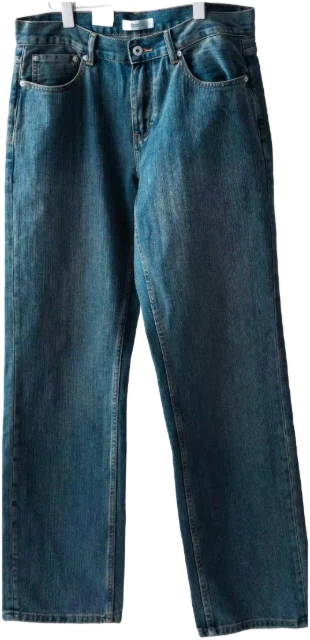
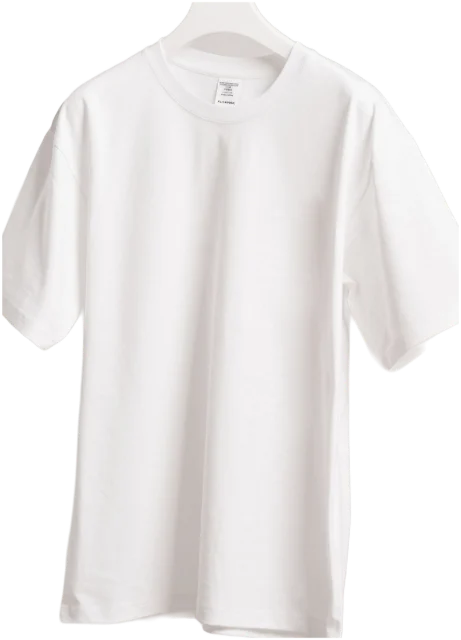
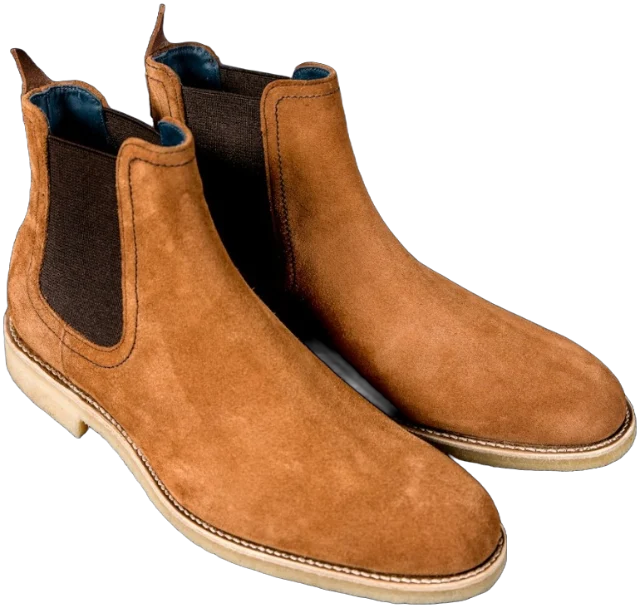
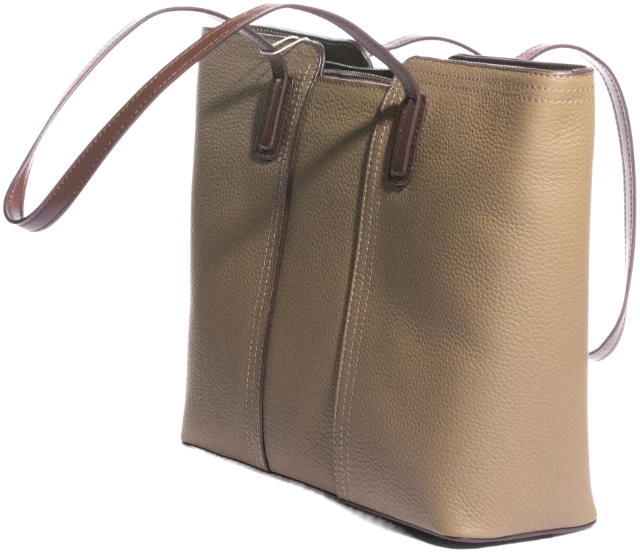
A neutral wardrobe is built mostly from colours that go with everything: black, white, grey, navy, cream, beige, camel, brown, olive and denim. To keep it from looking boring, choose a warm or cool family, mix textures, play light against dark, and add one accent colour when you want a lift.
Key takeaways
- Neutrals include navy, olive, denim and brown as well as black, white, grey and beige.
- Pick a warm or cool family first, with one or two bridge colours such as denim and taupe.
- Neutral outfits come alive with texture, contrast between light and dark, and one strong shape.
- Keep coats, trousers, shoes and bags mostly neutral, and let tops and knits carry your accents.
- Neutrals show wear, so wash less often, wash cool and turn darks inside out.
The appeal is maths, not minimalism. When most of your pieces go with each other, every new piece multiplies your outfits instead of adding just one. If you’ve ever wondered how many outfits you can make from what you own, a neutral base is how that number climbs.
What counts as a neutral colour in clothes?
In clothes, a neutral is any colour that won’t pick a fight with another. That’s a much wider list than the paint chart suggests:
- Classic neutrals: black, white, grey and charcoal.
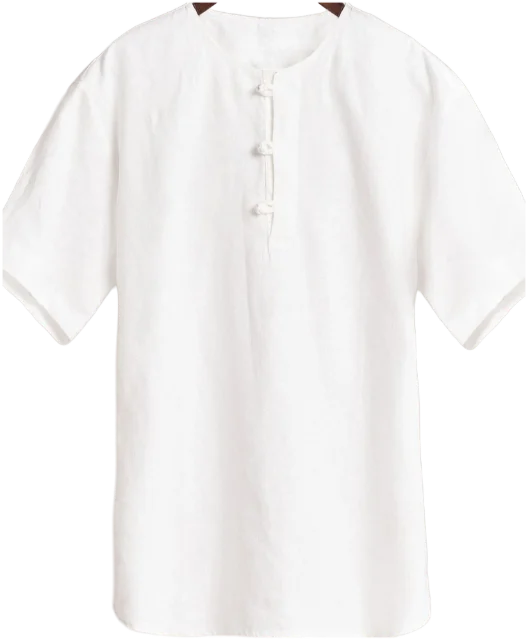
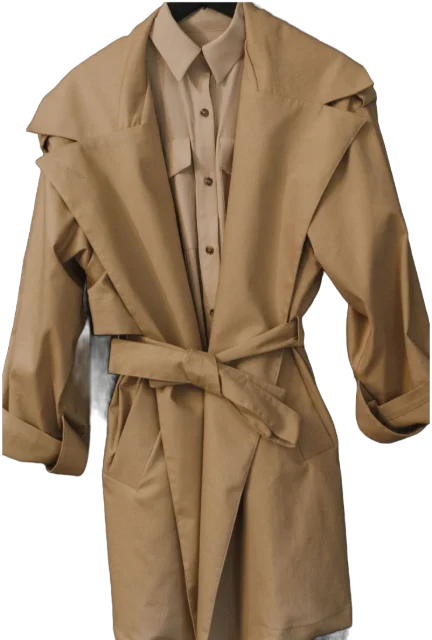
- Warm neutrals: cream, ivory, oatmeal, beige, camel, taupe, tan and chocolate brown.
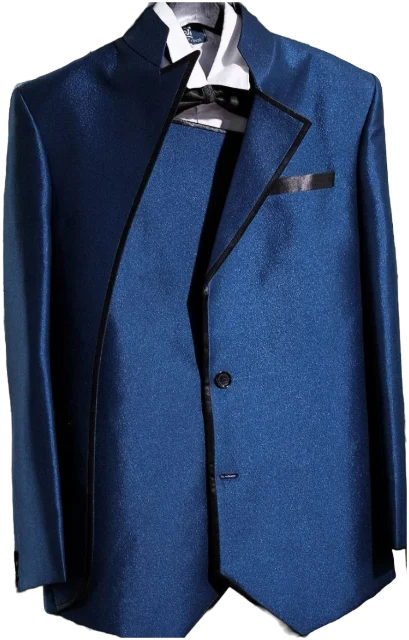
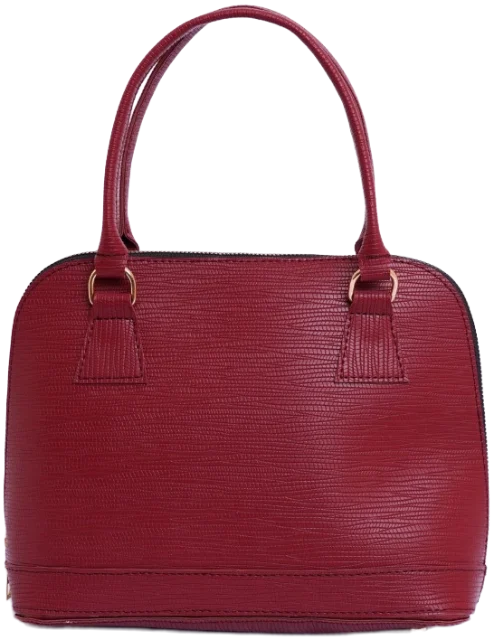
- Working neutrals: navy, olive, khaki and mid to dark denim. Deep burgundy joins them on a good day.
Whether a colour counts depends on how strong it is. Navy is a neutral; cobalt isn’t. Olive is; lime isn’t. Darker, softer or greyed-down versions of a colour usually behave like neutrals, while the bright versions behave like accents.
Neutral doesn’t have to mean beige
A neutral wardrobe can be all black and white, all navy and grey, or all oatmeal and chocolate. They feel completely different. Pick the one that looks like you, not the one that looks best on a mood board.
How to choose your neutral colour palette
You don’t need every neutral. In fact, a tight palette is the whole point: it’s what makes everything go with everything.
- Start with evidence. Pull out the neutral pieces you wear most. Their colours are your real palette.
- Choose a family. Warm (cream, camel, tan, chocolate, olive) or cool (white, grey, navy, charcoal, black).
- Pick a dark, a mid and a light. The dark anchors your trousers and coat, the light sits near your face, and the mid joins them up.
- Add one or two bridges. Denim and taupe sit happily in either family, so they let you borrow across.
- Check in daylight. Hold each colour under your chin by a window. If beige makes you look tired, a cream or stone often won’t.
Here are four palettes to start from. Swap any shade for its neighbour if it suits you better.
| Palette | Dark | Mid | Light | Bridge | Accents that work |
|---|---|---|---|---|---|
| Warm | Chocolate | Camel | Cream | Denim, olive | Rust, burgundy, mustard |
| Cool | Navy | Grey | Bright white | Denim | Red, cobalt, pink |
| High contrast | Black | Charcoal | Bright white | Denim | Red, emerald, cobalt |
| Soft | Taupe | Stone | Oatmeal | Olive | Sage, dusty pink, terracotta |
Can you mix warm and cool neutrals?
Yes, with a little intent. Navy and camel, black and cream, grey and chocolate are all warm-cool pairs that look classic. The trick is to let one family lead and to repeat the other at least once: a navy coat and navy trousers with a camel knit and tan boots, for example, rather than one stray piece from the other side.
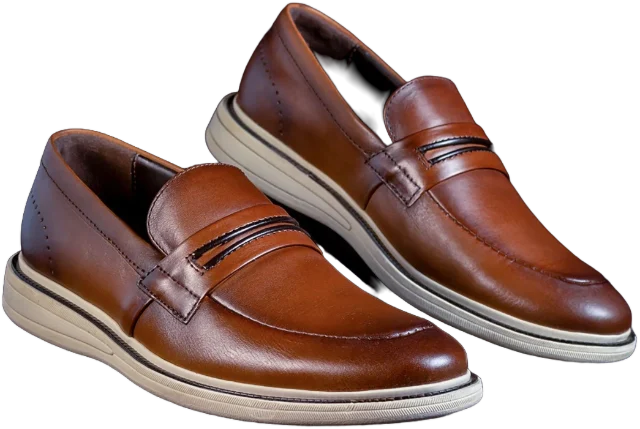
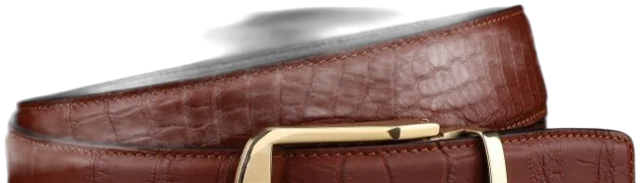
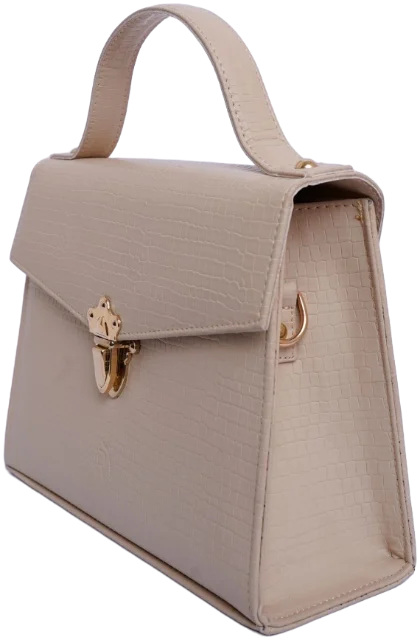
Leathers are where mixing most often goes wrong. Brown shoes with a black belt and a tan bag looks unplanned. Keep shoes, belt and bag in one family, or make the split obvious and repeat it.
Why neutral outfits look boring, and three fixes
When a neutral outfit falls flat, it’s nearly always one of three things: every piece is the same texture, the same lightness, or the same shape. Fix one and the outfit wakes up. Fix two and it looks styled.
1. Mix textures
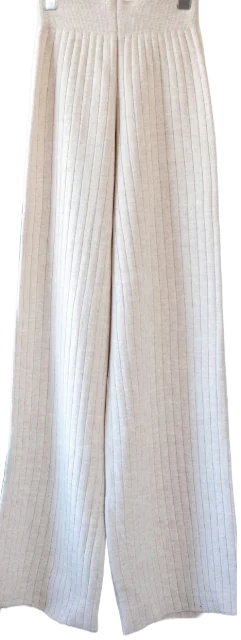
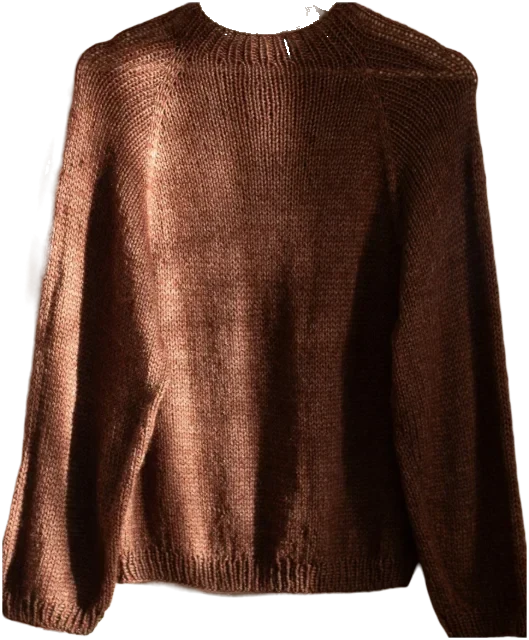
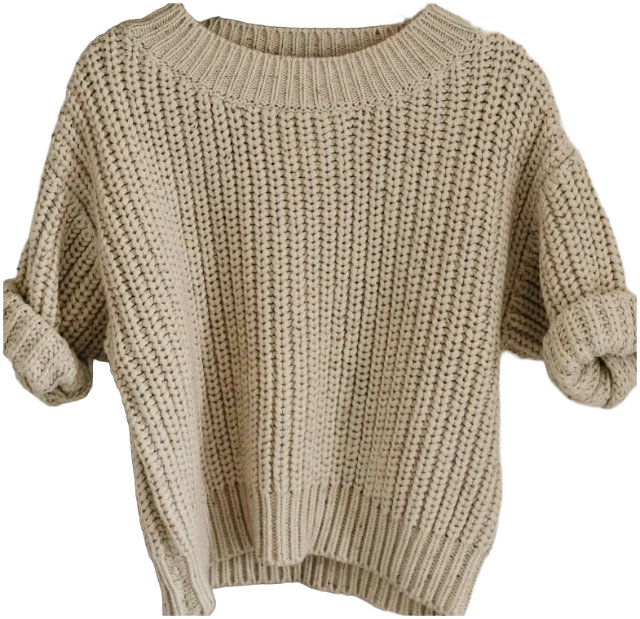
If the colours are quiet, the fabrics should talk. Put a chunky knit with smooth leather, suede with crisp cotton, or a soft jumper with a structured coat. Aim for at least two textures in every outfit.
2. Play light against dark
A pale top over dark trousers, or the reverse, gives a neutral outfit shape from across the room. For a tonal look, keep at least two clear steps of lightness between pieces, so cream sits with chocolate rather than with a beige that nearly matches.
3. Add one strong shape
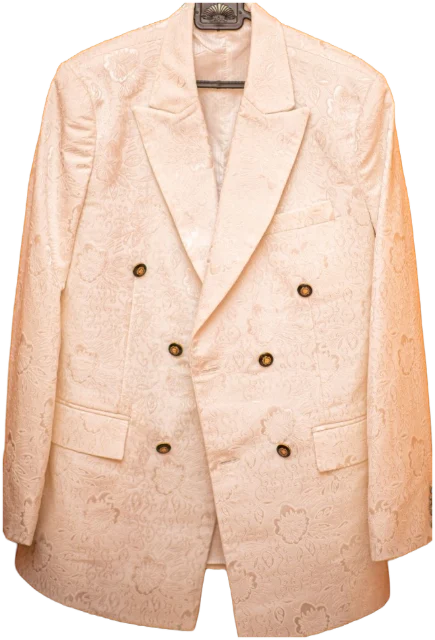
Neutrals let cut show. A double-breasted blazer, wide trousers, a long coat or a column dress gives the eye something to follow, so the outfit looks intentional rather than safe.
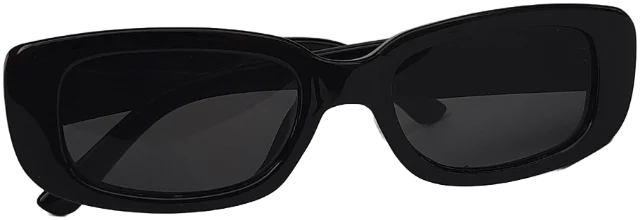
Small finishing touches help too: a belt, a pair of sunglasses, a bag in a good leather. They’re neutral in colour but not in effect.
How many neutrals, and how many accents?
A useful starting point is a wardrobe that’s roughly three-quarters neutral and a quarter colour or print (neutrals are what make mixing patterns easy). If you love colour, flip the ratio and let the neutrals play the supporting role. Either way, put the neutrals where they work hardest:
- Mostly neutral: coats, trousers, shoes and bags. You wear these most and replace them least.
- Where accents live: tops, knits, scarves and the occasional dress.
- One accent family at a time: rust and mustard for autumn, say, rather than five unrelated brights.
An accent looks most deliberate when it appears twice, such as a burgundy bag with a burgundy scarf. For pairings beyond neutrals, our guide on how to match colours in outfits covers the colour wheel, tonal dressing and a table of combinations that always work.
Neutral wardrobe essentials, piece by piece
You don’t need to start again. Look at what’s already in your closet and fill the gaps in roughly this order, all in your chosen palette:
- A coat in your mid or dark neutral: camel, navy, black or charcoal.
- Trousers in your dark neutral, plus a pair of dark jeans.
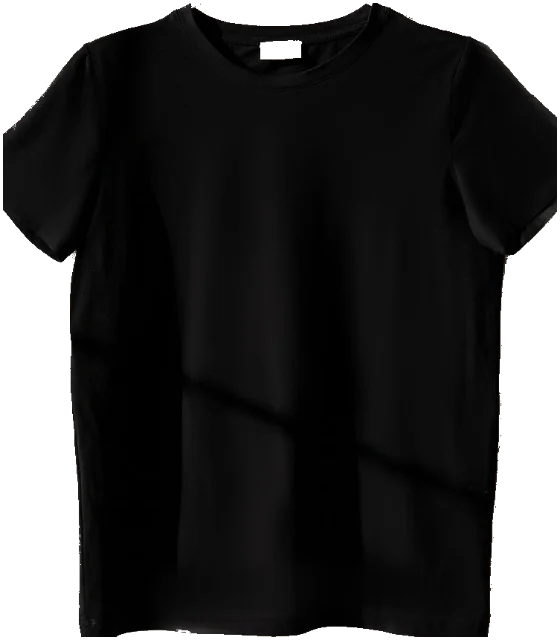
- Two or three tops in your light neutral, such as tees and a shirt.
- A knit in your mid neutral.
- A blazer or jacket that works over all of the above.
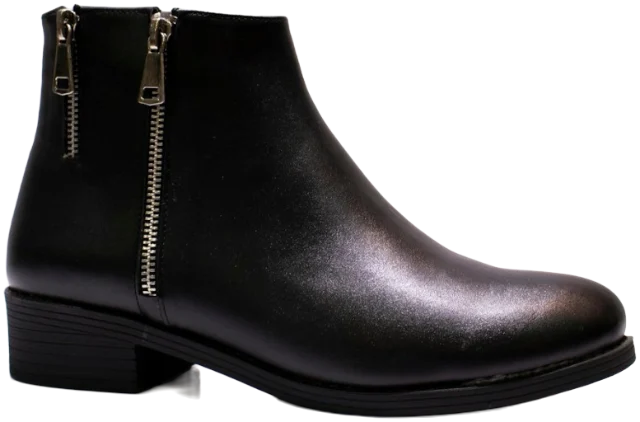
- Shoes and a belt in one leather family: browns for a warm palette, black for a cool one.
- A bag that goes with the shoes.
That’s the frame of a capsule. For the full list, see our capsule wardrobe checklist, or start with how to build a capsule wardrobe.
Five neutral outfits to copy
Each of these uses only neutrals, and none of them is boring. Swap in your own palette’s shades.
- Weekend, around 14°C: camel coat, white tee, dark jeans, tan suede boots and a taupe tote. Warm, easy and good with almost any accent.
- Office: a navy knit over a white shirt, grey trousers and black brogues. Cool neutrals in three steps of lightness.
- Evening: a black midi dress, or black trousers with a black knit, under a camel coat. Black and camel is one of the most reliable warm-cool pairings there is.
- Summer, around 22°C: cream wide-leg trousers, an oatmeal knit tee, brown loafers and sunglasses. Light, tonal and cooler than it looks.
- Wet commute, around 9°C: charcoal coat, chocolate jumper, dark jeans and black leather boots that don’t mind puddles.
For more on dressing for the forecast, see what to wear by temperature.
How to keep neutrals looking expensive
Neutrals hide nothing. Whites go grey, blacks fade, creams yellow and knits bobble, and a tired neutral looks more tired than a tired print. A little care goes a long way:
- Wash less. Air knits and jackets between wears and spot-clean small marks.
- Wash cool and inside out. Keep darks with darks and whites with whites.
- Dry darks out of strong sunlight, which fades black and navy.
- Put pale pieces away clean. Sweat and deodorant marks can yellow over time.
- De-bobble knits with a fabric shaver or comb, and polish leather shoes and belts.
Is a neutral wardrobe more sustainable?
It can be, if it means wearing your clothes more. WRAP research found the average UK adult has 118 items of clothing, and that 26% of them, around 31 items, had gone unworn for at least a year. Pieces that go with everything have fewer excuses to sit at the back of the rail.
The wider picture is stark. According to the Ellen MacArthur Foundation, clothing production roughly doubled over 15 years, while clothing use fell by almost 40%. More clothes, worn less.
So don’t clear out colour to “go neutral”. The greenest neutral wardrobe is the one you mostly already have: keep the colours you love, and replace pieces with neutrals only as they wear out. Our guide to a more sustainable wardrobe has more ways to buy less and wear more.
Questions
Is navy a neutral colour?
Yes. Navy behaves like a softer black, so it pairs with almost everything, from white and grey to camel and burgundy.
Is olive green a neutral?
In clothes, deep and muted olive works like khaki and sits happily with cream, camel, brown, navy and denim. Brighter greens behave as accents.
Are neutral colours good for a capsule wardrobe?
They make a capsule much easier, because nearly every piece goes with every other. Add two or three accent colours you love so the capsule still feels like yours.
What accent colours go with neutrals?
Warm neutrals suit rust, burgundy, mustard and olive; cool neutrals suit red, cobalt, emerald and pink. One accent, repeated once in a small dose, looks the most deliberate.
Sources
- Nation’s wardrobes hold 1.6 billion items of unworn clothes, WRAP
- Fashion and the circular economy, Ellen MacArthur Foundation