How to build a capsule wardrobe you’ll actually wear
Most capsule guides start with a shopping list. This one starts with your week, the clothes you already own and a two-week test, so the capsule you end up with is one you’ll wear.
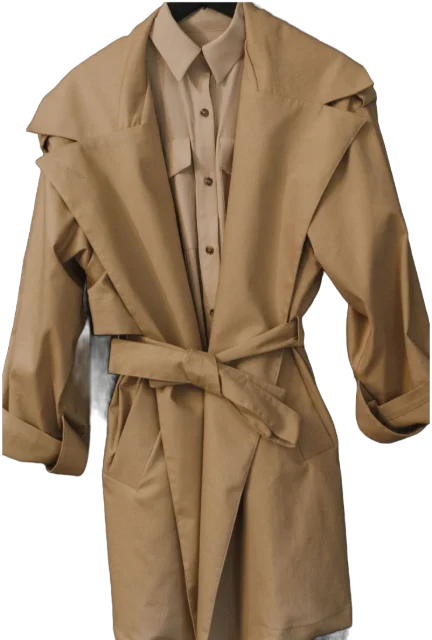
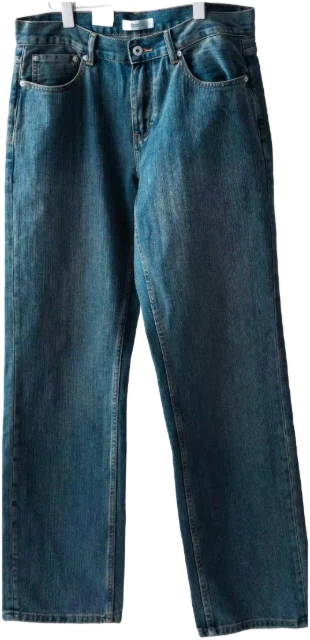
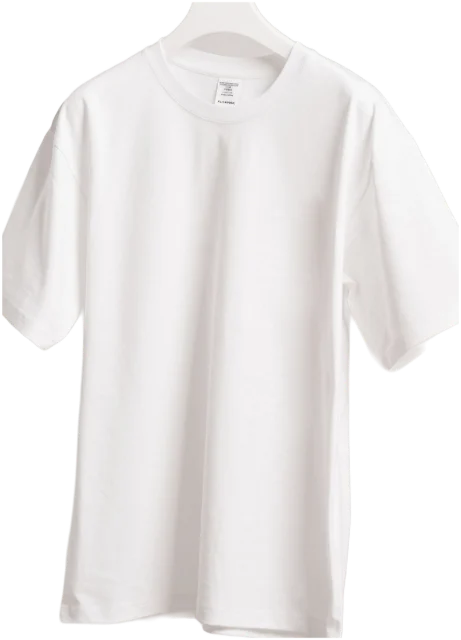
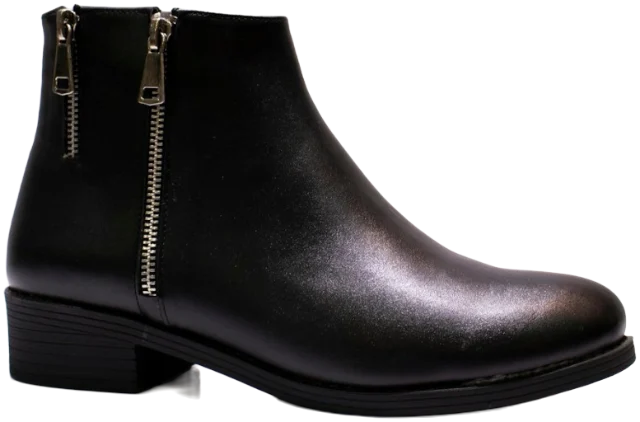
Here’s how to build a capsule wardrobe: start with the clothes you already wear most, choose two or three neutrals plus one or two accent colours, and keep around 25 to 40 pieces that all work together. Live in it for two weeks, note what’s missing, and only then buy to fill the gaps.
Key takeaways
- Build the capsule around how you actually spend a normal fortnight, not the life you plan to have.
- Shop your own wardrobe first; only the gaps that show up during a two-week test go on your shopping list.
- Two or three neutrals plus one or two accent colours let every top work with every bottom.
- Somewhere between 25 and 40 pieces a season suits most people, but the right number is the one you wear.
- Keep an all-year core and swap the seasonal pieces twice a year, in spring and autumn.
That’s the short version. The rest of this guide is the long one: how to decide what stays, how many pieces you really need, which colours make everything mix, and how to keep a capsule working when the seasons, your job or your plans change.
What is a capsule wardrobe?
A capsule wardrobe is a small, edited set of clothes in which almost every piece works with almost every other. Instead of a rail of separate outfits, you own a system: a handful of tops, bottoms, layers and shoes that combine dozens of ways.
The idea isn’t new. The phrase turned up in American publications in the 1940s and was revived in the 1970s by Susie Faux, a London boutique owner who championed a core of timeless pieces topped up with a few seasonal ones (the history of the term).
What has changed is how much we own. The Ellen MacArthur Foundation estimates that clothing production has roughly doubled in 15 years, while clothing use, meaning how many times a piece is worn before it’s discarded, has fallen by almost 40% (Ellen MacArthur Foundation). Closer to home, WRAP found that around 30% of the clothing in the average UK wardrobe hadn’t been worn for at least a year, most often because it no longer fitted (WRAP, 2012). A capsule flips that: fewer pieces, each one worn a lot.
How to build a capsule wardrobe, step by step
1. Map a normal fortnight
Before you touch a hanger, write down what the last two weeks actually involved. Not the life you plan to have, the one you had: office days, days at home, the school run, the gym, a dinner, a birthday. Then split it roughly into percentages.
If 60% of your time is at a desk, 30% is weekend errands and 10% is evenings out, your capsule should look about the same. Most wardrobes are built the other way round: heavy on going-out pieces, light on the things you wear on a wet Tuesday.
2. Shop your own wardrobe first
Take everything out. Yes, everything. Then sort it into three piles:
- Love and wear: fits now, feels like you, worn in the last few months.
- Maybe: you like it but rarely reach for it. Ask why: the fit, the colour, or nothing to wear it with.
- Not you any more: doesn’t fit, isn’t comfortable, or was bought for a life you don’t lead.
The first pile is the start of your capsule. Box the maybes for a month; if you don’t go looking for anything, let them go. A small fix often rescues a maybe: a hem taken up, a button replaced, a jumper de-bobbled. If you want a full list to tick against, use our capsule wardrobe checklist.
3. Choose a palette
Pick two or three neutrals you like next to your face and one or two colours to lift them. The palette is what lets every top go with every bottom, so it matters more than any single piece. There’s more on choosing one below.
4. Set your numbers
Decide how many pieces suit your life and your laundry routine, then split them by category. The table in the next section gives you a starting point.
5. Live in it for two weeks
Hang the capsule where you can see it and put the rest out of sight. For 14 days, wear only the capsule and keep a note on your phone: what you wore, and what you wished you had. A wish that comes up once is a whim. One that comes up three times is a gap.
6. Fill the gaps slowly
Now you have a shopping list, and it’s probably short: trousers that aren’t jeans, a knit that isn’t black, shoes you can walk in. Before you buy, check that each piece goes with at least three things you already own, and look second-hand first. One well-chosen addition a month beats a weekend haul.
On a tight budget, spend where wear is highest. The coat, the shoes you walk in every day and the trousers you wear three times a week deserve the money; a tee that sits under a jumper all winter doesn’t. Tailoring and wool coats are often easy to find second-hand, and a quick alteration makes them look made for you.
7. Swap with the seasons
In the UK, two big swaps a year usually do it: spring, when linen and lighter knits come out, and autumn, when wool and boots return. Keep a core of all-year pieces, such as jeans, tees and a blazer, and rotate the rest.
How many pieces should a capsule wardrobe have?
There’s no correct number, only a useful one. Most people land between 25 and 40 pieces a season, not counting underwear, nightwear, gym kit or loungewear. Fewer works if you’re happy repeating outfits or wear a uniform for work; more makes sense if your week swings between very different dress codes.
If you like a challenge, the 333 challenge asks you to wear 33 items, including shoes, accessories, jewellery and outerwear, for three months, with everything else boxed up and out of sight (the rules, from its creator). It’s strict by design, and a very good way to find out what you actually miss.
For an everyday capsule, this split is a sensible place to start:
| Category | Pieces | What to aim for |
|---|---|---|
| Tops: tees, shirts, blouses | 8 | Mostly plain, with two or three smart enough for work |
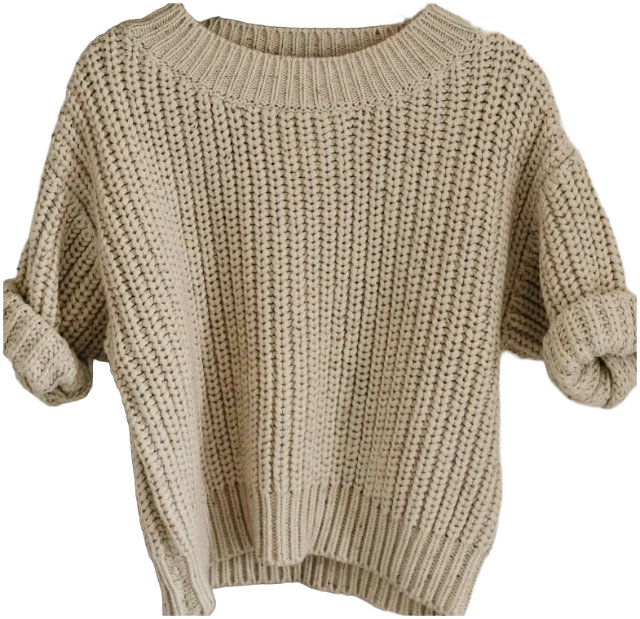
| Knitwear and cardigans | 4 | One fine, one chunky, one in your accent colour |
| Trousers, jeans and skirts | 5 | At least one pair that isn’t denim |
| Dresses or jumpsuits | 2 | One to dress up, one for every day; swap for trousers if you don’t wear them |
| Jackets and coats | 3 | A blazer, a light layer for showers and a warm coat |
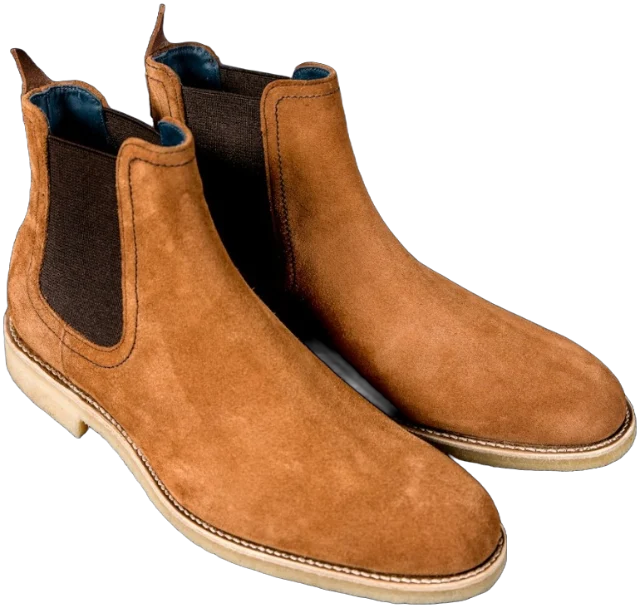
| Shoes | 4 | Something smart, something casual, boots, and a pair for bad weather |
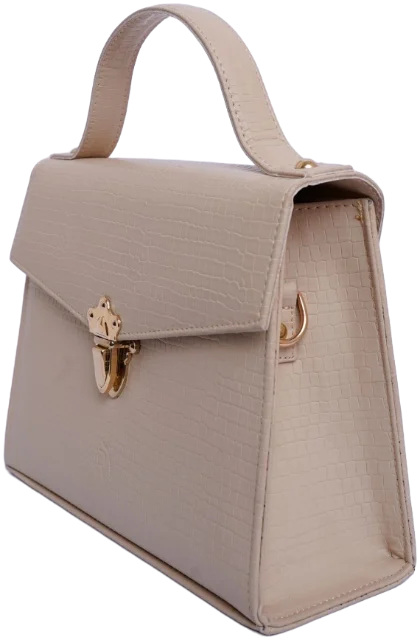
| Bags and belts | 3 | An everyday bag, a smaller one and a belt |
| Total | 29 | Adjust to your fortnight |
The maths is what makes a capsule feel bigger than it is. Six tops and four bottoms already give you 24 combinations before you add a layer or change your shoes.
Which colours work best in a capsule wardrobe?
A capsule palette works in three layers:
- Base neutrals (one or two): the colour of your coat, trousers and shoes. Navy, black, charcoal, chocolate brown or camel.
- Light neutrals (one or two): white, cream, oatmeal, grey or stone, mostly for tops and knits.
- Accents (one or two): the colours that make it yours. Burgundy, red, olive, cobalt, pink: whatever you reach for on a good day.
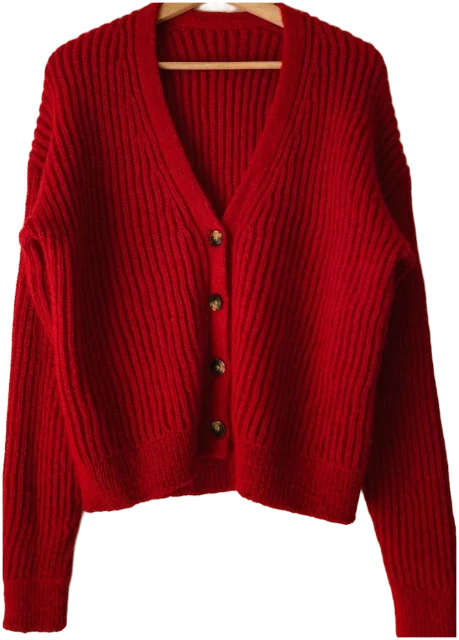
The test is simple: any top should work with any bottom. If your accent is a red cardigan, it should look right over every top and with every pair of trousers you own. Warm neutrals (camel, brown, cream) and cool ones (black, grey, navy) can mix, but choosing one family for your base makes everything easier. For the theory, see how to match colours in outfits.
Patterns count as colours. A navy and cream stripe belongs in a navy and cream capsule; a six-colour floral needs a wardrobe built around it.
What a capsule wardrobe looks like in practice
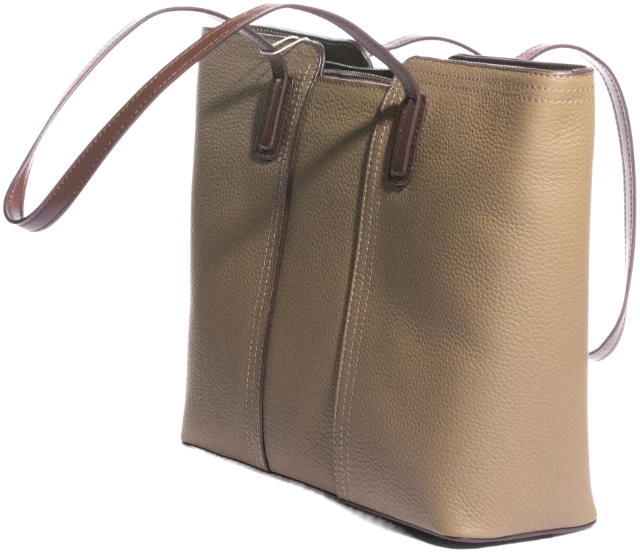
Take 11 pieces from our sample closet: a white tee, a white shirt, a chocolate jumper, a navy blazer, a camel trench, dark jeans, cream wide-leg trousers, brown loafers, black ankle boots, a taupe tote and a brown belt. Three tops, two bottoms, two pairs of shoes and three ways to layer (nothing, the blazer or the coat) make 3 × 2 × 2 × 3 = 36 outfits before you touch the bag or belt.
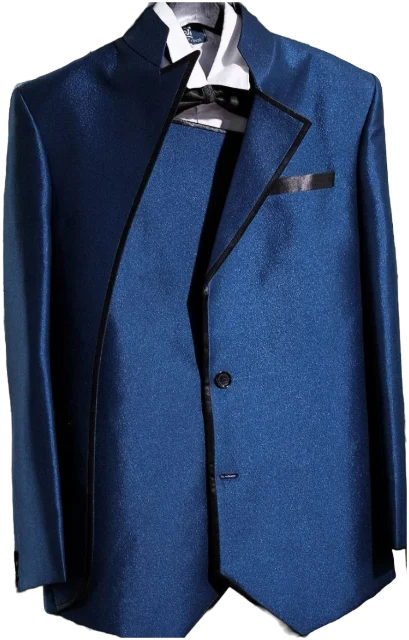
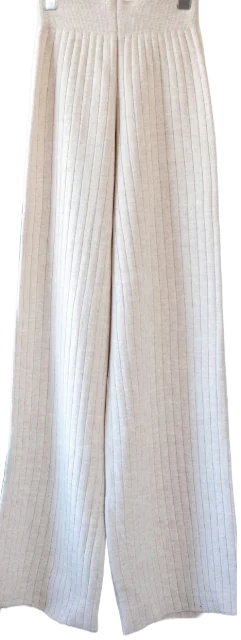
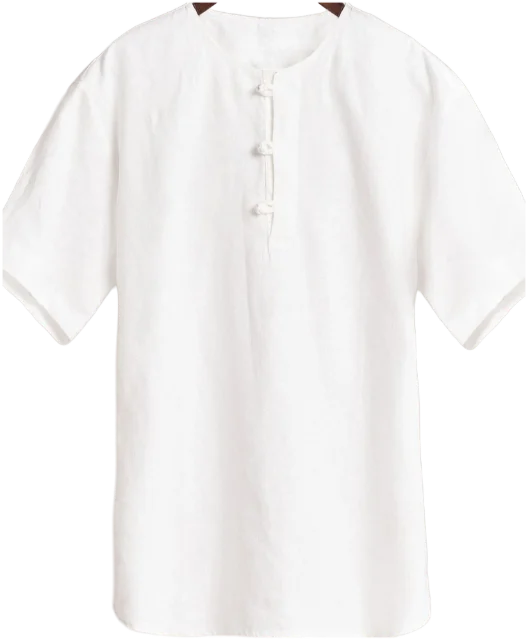
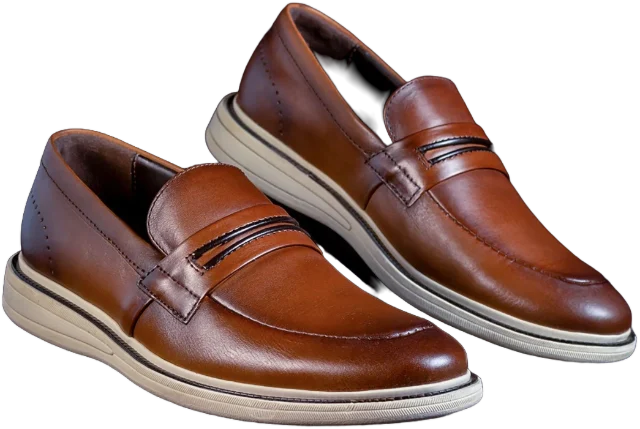
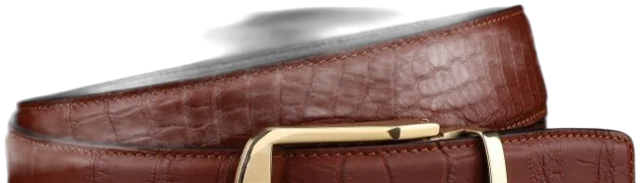
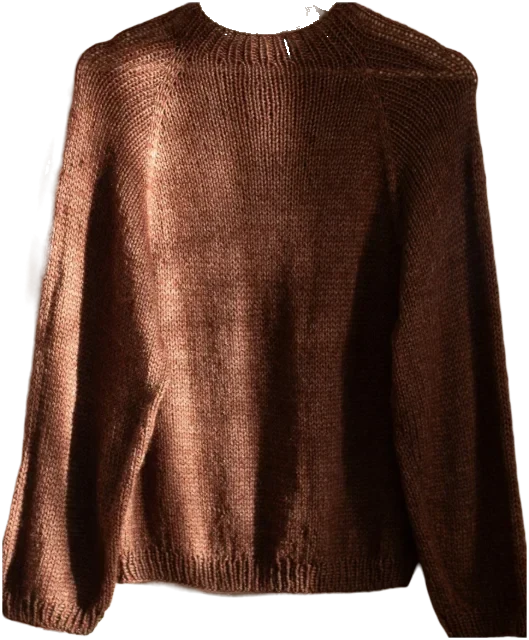
Nothing here is clever on its own. The capsule works because every piece agrees with the others on colour and on how dressy it is.
Common capsule wardrobe mistakes
- Buying a capsule in one go. Thirty new pieces is a big spend, and you won’t know what you need until you’ve lived in the ones you have.
- Copying someone else’s list. Ten pieces chosen for a warm climate and a freelance life won’t survive a British commute.
- All basics, no personality. If every piece is plain, the capsule feels like a uniform you didn’t choose. Keep one or two things you love for no practical reason.
- Too many occasion pieces. Three wedding outfits for one wedding a year is a ratio problem.
- Forgetting shoes. Shoes decide whether an outfit reads smart or casual, so three good pairs change everything above them.
- Treating it as a rule. A capsule is a tool, not a test. If your life needs 42 pieces, have 42 pieces.
Capsule wardrobes for work, winter, travel and menswear
The method stays the same whatever the brief. The pieces change.
- For the office: size it to the days you’re actually in and to your dress code. Our work capsule wardrobe guide has formulas for a full week.
- For the cold: a winter capsule wardrobe is built on thin layers, wool and shoes that cope with rain.
- For a trip: a travel capsule wardrobe starts with the size of your bag and works backwards.
- For menswear: our men’s capsule wardrobe covers three dress levels, fit, and the few pairs of shoes that do most of the work.
Whichever you build, the order is the same: your life, then your wardrobe, then your palette, a test, and only then the shops.
Questions
Is a capsule wardrobe worth it?
For most people, yes: getting dressed is quicker, you buy less and you wear more of what you already own. If you love variety for its own sake, a looser capsule with more accent pieces works better than a strict one.
Can I build a capsule wardrobe without buying anything?
Usually, yes. Most people already own enough for a first capsule once they pull out the pieces they wear most. Live in it for two weeks before deciding anything is missing.
Do shoes and accessories count in a capsule wardrobe?
That is up to you. Shoes and outer layers usually count because they change how outfits look; underwear, nightwear, gym kit and jewellery you never take off usually don’t.
Who invented the capsule wardrobe?
The phrase appeared in American publications in the 1940s and was revived in the 1970s by Susie Faux, who ran a London boutique. A New York designer’s collection of seven interchangeable pieces made the idea famous in 1985.
Sources
- Valuing our clothes: The true cost of how we design, use and dispose of clothing in the UK (2012), WRAP
- Fashion and the circular economy – deep dive, Ellen MacArthur Foundation
- Project 333 Challenge, Be More with Less
- Capsule wardrobe, Wikipedia