A men’s capsule wardrobe that works from Monday to Sunday
Forget the 50-item lists. A men’s capsule wardrobe needs a couple of dozen pieces that fit properly, agree on colour and cover three dress levels, from the boardroom to the pub.
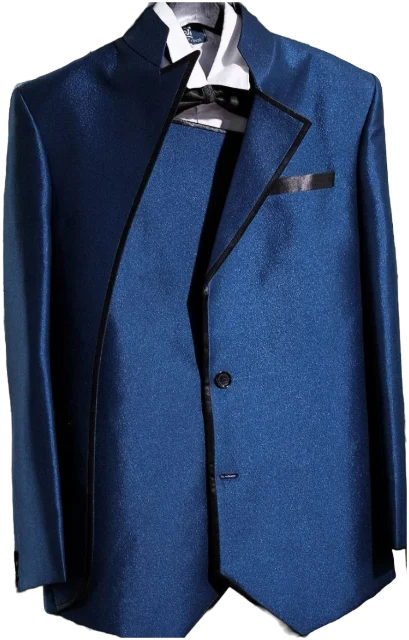
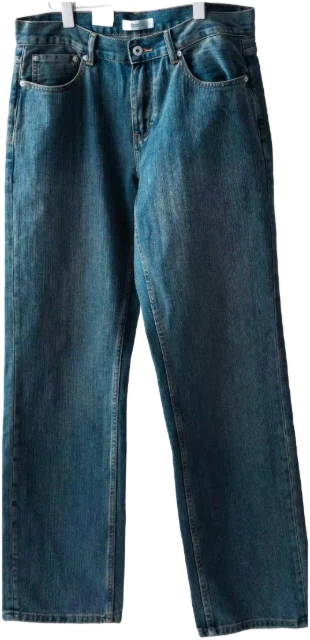
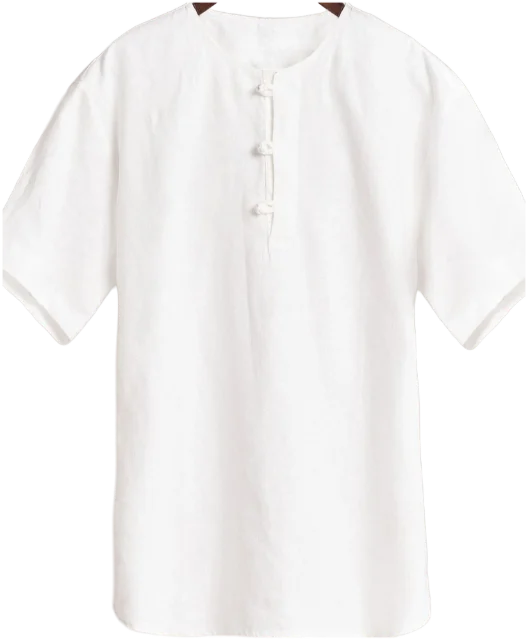
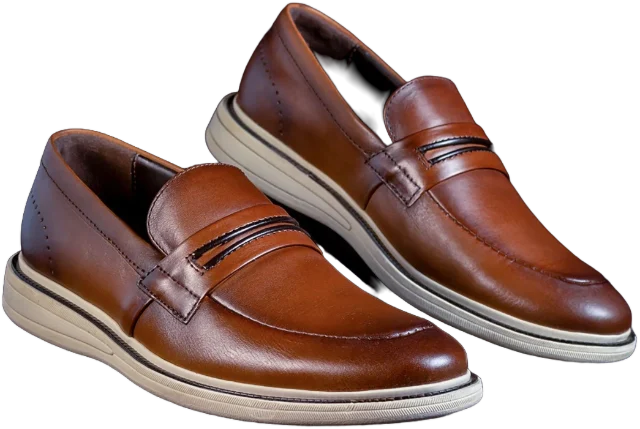
A men’s capsule wardrobe is about 20 to 30 pieces that all work together: plain tees and a couple of shirts, two or three knits, dark jeans and two pairs of trousers, a blazer, a coat and three or four pairs of shoes, in navy, grey, brown and cream. Fit matters more than the number.
Key takeaways
- Around 24 pieces cover most men’s weeks: seven tops, three knits, three pairs of trousers, three outer layers, four pairs of shoes and a few accessories.
- Make sure you have a complete outfit for each of three dress levels: smart, smart casual and casual.
- Fit matters more than the size on the label, so shop across sections if that’s where your fit is.
- Navy, grey, brown and cream all mix; add one accent such as olive or burgundy.
- Rotate your shoes, fold your knits and wash at 30°C to make a small wardrobe last.
The list is the easy part. The harder part is choosing the right version of each piece, so most of this guide is about that: three dress levels, fit, colour, shoes, and how to make a small wardrobe last.
What should be in a men’s capsule wardrobe?
Here’s a 24-piece starting list. It assumes an office or smart-casual job, free weekends and British weather. If you’re starting from scratch, the method in how to build a capsule wardrobe still applies; this is the menswear list to tick against.
Tops (7)
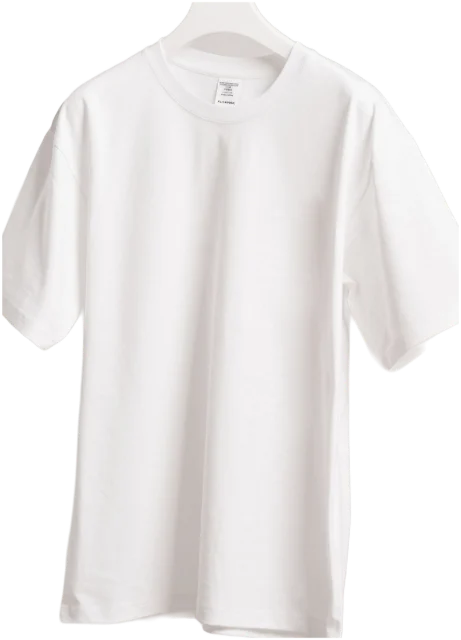
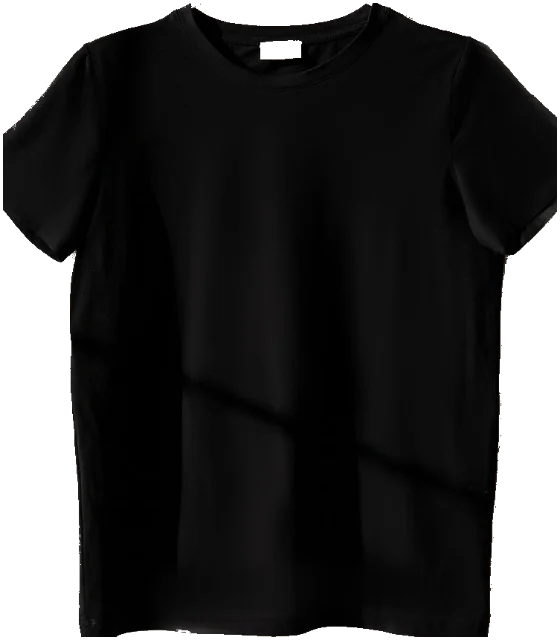
- Three plain T-shirts: white, navy or grey, and one in black or ecru
- A long-sleeved tee or a henley for layering
- A white oxford shirt
- A pale blue or fine-striped shirt
- An overshirt or band-collar shirt that works on its own or open over a tee
Knitwear (3)
- A fine merino crew-neck in navy or grey, thin enough to wear under a blazer
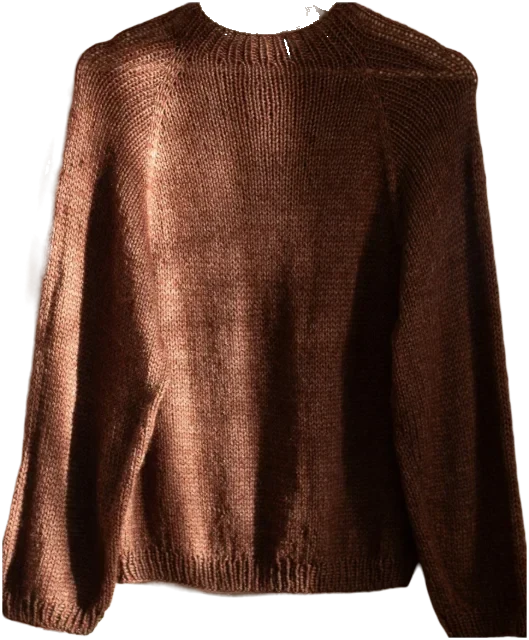
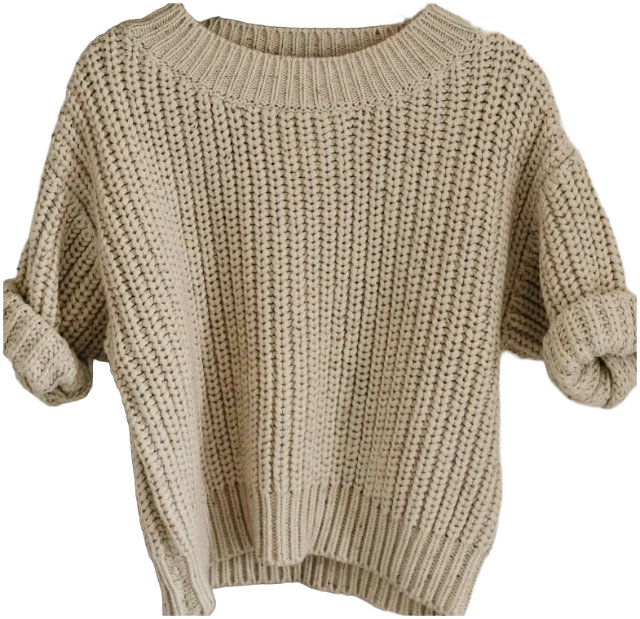
- A warmer, textured jumper in brown, oatmeal or green
- A cardigan or zip-neck for the in-between days
Trousers (3)
- Dark straight or tapered jeans with no distressing
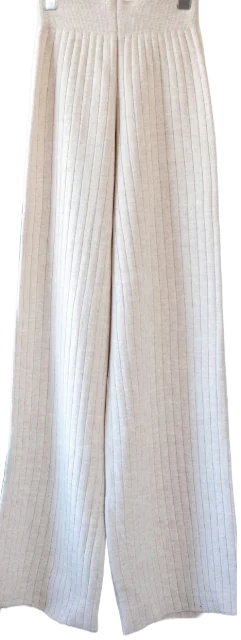
- Smart trousers in grey, navy or cream wool
- Chinos or relaxed trousers in stone, olive or brown
Tailoring and outerwear (3)
- An unstructured navy blazer that looks right with jeans
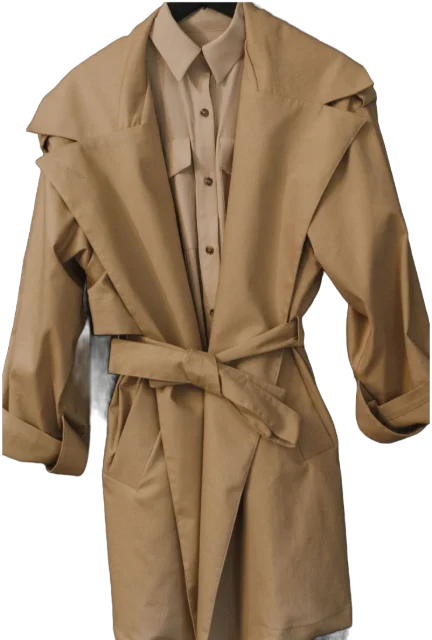
- A trench or mac for showers
- A warm wool overcoat or padded jacket
Shoes (4)
- Brown loafers
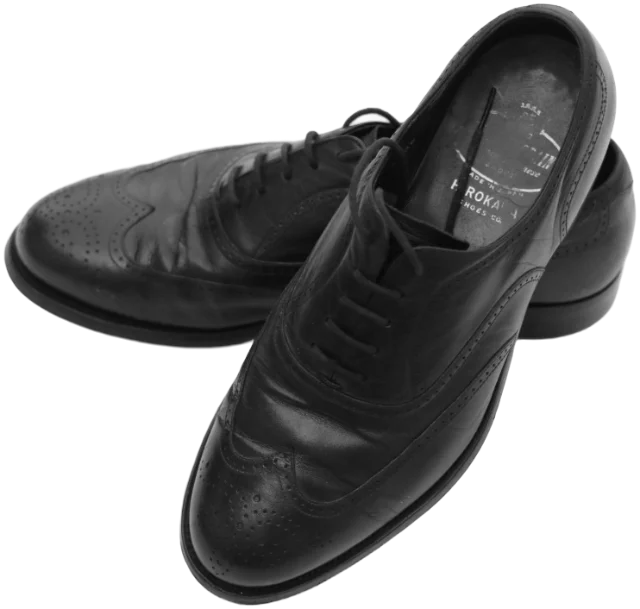
- Dark brown or black brogues or derbies
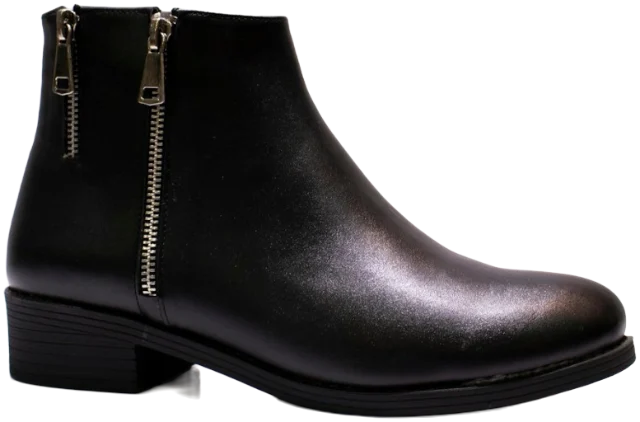
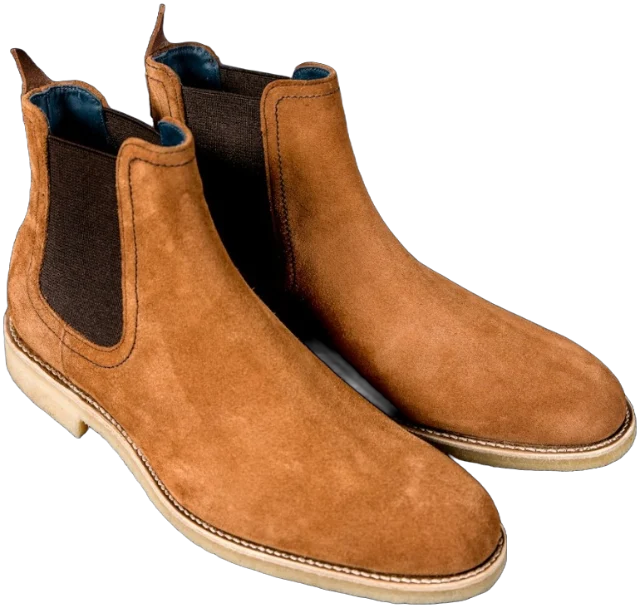
- Suede or leather Chelsea boots
- Plain white or grey trainers
Accessories (4)
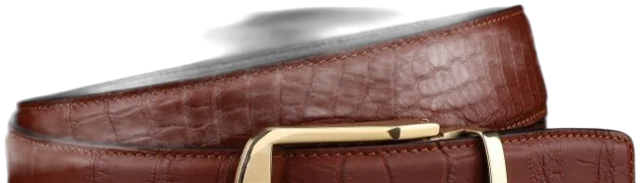
- A brown leather belt, plus a black one if you wear black shoes
- A wool scarf
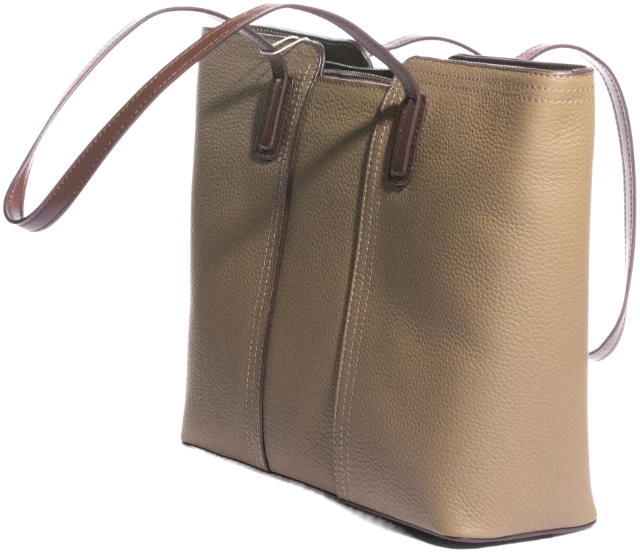
- A bag that takes a laptop: a leather tote, a rucksack or a briefcase
- Sunglasses
If you need a suit for work, add one in navy or charcoal. Socks, underwear, gym kit and loungewear sit outside the count.
Build it around three dress levels
Most men’s weeks move between three levels of dressiness. A good capsule has a complete outfit at each one, plus pieces that cross between them.
| Level | Where you’ll wear it | Formula |
|---|---|---|
| Smart | Client meetings, interviews, weddings, a good restaurant | Blazer + shirt + smart trousers + brogues or loafers |
| Smart casual | Most offices, dinner, drinks, meeting the in-laws | Blazer or knit + tee or shirt + jeans or chinos + loafers or boots |
| Casual | Weekends, errands, the pub, travelling | Tee or overshirt + jeans or chinos + trainers or boots |
The crossover pieces are where a capsule earns its keep. The navy blazer does smart with trousers and smart casual with jeans. Loafers go from the office to Saturday lunch. Dark jeans manage everything except the most formal days. If you’re not sure where your office sits, our guide to the smart casual dress code explains the difference.
Fit comes before everything
A small wardrobe can’t hide a bad fit, because you’ll wear each piece twice a week. Fit is also the main reason clothes go unworn: WRAP found that the most common reason a piece sits untouched for a year is that it no longer fits (WRAP, 2012).
What to check in the changing room:
- Shoulders: the seam should sit at the edge of your shoulder, not hang over it. It’s the one thing a tailor can’t really fix.
- Sleeves: shirt cuffs at the wrist bone, and a blazer sleeve short enough to show a little cuff.
- Collar: two fingers should slide inside a buttoned shirt collar, and no more.
- Length: a tee or knit should end around the middle of your fly, and a blazer should cover your seat.
- Trousers: no fabric pooling at the ankle. A slight break, or none at all, looks sharper.
Sizes are labels, not rules. If you’re slim or short and menswear swamps you, look across the shop floor: womenswear often has narrower shoulders and shorter sleeves, and a plain tee or knit often works the same whichever rail it hangs on. Our guide to shopping across menswear and womenswear covers the size conversions.
Colours that make everything match
Menswear is easy to colour-match because it already lives in a narrow range. Build on navy, grey, brown and cream, then add olive or burgundy as your accent. Black works too, but it fights with brown shoes and can look severe in daylight; if you love it, make it your base and switch to black shoes and a black belt.
Two rules cover most combinations:
- Match your leathers. Brown belt with brown shoes, black with black. Tan suede is the friendly exception and sits with almost anything.
- One dark, one light, one in between. Navy blazer, white shirt, grey trousers. Brown knit, cream trousers, camel coat. Contrast is what makes an outfit look deliberate.
Shoes do most of the work
Change the shoes and you change the outfit. The same jeans and knit look office-ready with polished brogues, relaxed with loafers and weekend with trainers. That’s why four good pairs beat eight cheap ones.
- Brogues or derbies are your smartest pair. Dark brown is more flexible than black, unless you wear a lot of grey and black.
- Loafers sit between smart and casual, and work with or without visible socks in summer.
- Chelsea boots handle rain, cold and most dress codes. Leather copes with British weather better than suede.
- Trainers should be plain and kept clean, or they drag every outfit down with them.
Rotate them so no pair is worn two days running, which gives leather time to dry out. Cedar shoe trees help them keep their shape, and good leather soles can be replaced when they wear through.
Swap a few pieces with the seasons
The core of the list (tees, shirts, jeans, blazer, loafers) works all year. Around it, swap four or five pieces in spring and again in autumn rather than keeping two full wardrobes.
- For summer: a linen or seersucker shirt, a short-sleeved knit polo, lighter chinos or shorts, and suede loafers or canvas trainers. The trench stays in for showers.
- For winter: a roll-neck, a flannel or cord pair of trousers, a heavier overshirt and the wool coat. Leather boots move to the front of the rack.
Store the off-season pieces clean and folded, and you’ll meet them again in six months like old friends rather than strangers.
A week from one small wardrobe
- Monday: navy blazer, white oxford, grey trousers, brogues.
- Tuesday: fine merino crew over the blue shirt, chinos, loafers.
- Wednesday: the blazer over a white tee, dark jeans, Chelsea boots.
- Thursday: textured jumper, smart trousers, loafers.
- Friday: overshirt over a tee, jeans, boots, straight to the pub.
- Saturday: the blazer again, over a long-sleeved tee, with chinos and trainers.
- Sunday: cardigan over a tee, jeans, trainers, coat on.
Seven outfits, none repeated, and nothing you’d think twice about. The blazer alone does three different jobs; there are more ways to wear one in how to style a blazer. If most of your week is spent in an office, the work capsule wardrobe has a two-week rotation.
Make a small wardrobe last
Fewer clothes means each one gets more wear, so spend where the wear is. Shoes, the coat and the blazer are worth the money; plain tees and the long-sleeved layer are not, as long as they fit. Then a little care goes a long way.
- Wash less, and cooler. Knits and jeans rarely need washing after every wear; air them overnight instead. When you do wash, Which? testing found that washing at 30°C rather than 40°C uses 38% less energy (Which?).
- Hang tailoring properly. Wide, shaped hangers keep blazer shoulders in shape. Give a blazer a day off between wears.
- Fold knits. Hangers stretch them. De-bobble as soon as pilling starts.
- Brush and polish. A clothes brush on wool coats and a monthly polish on leather shoes add years to both.
- Repair early. A loose button or a small hole costs pence to fix; ignoring it costs a new jumper.
Look after two dozen good pieces and you’ll spend less time shopping, less time deciding, and more time looking like you meant it.
Questions
How many clothes should a man own?
There’s no set number, but around 20 to 30 pieces of everyday clothing, not counting underwear, socks and gym kit, covers most men’s weeks with room to spare.
Should a men’s capsule wardrobe include a suit?
Only if your job or social life needs one. A navy or charcoal suit gives you more than one outfit: the jacket works as a blazer and the trousers work on their own.
Are white trainers part of a capsule wardrobe?
For most men, yes. Plain white or grey leather trainers work with jeans, chinos and even a blazer, as long as you keep them clean.
How often should I replace pieces in a capsule wardrobe?
When they wear out, not when they go out of fashion. Replace like for like, so a tired white oxford becomes a new white oxford and the rest of the capsule keeps working.