A work capsule wardrobe for the office, however many days you’re in
Most work wardrobes are built for a five-day office week that many of us no longer work. Size yours to the days you’re actually in, and 15 pieces go a long way.
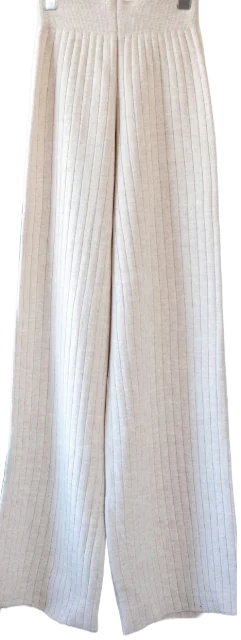
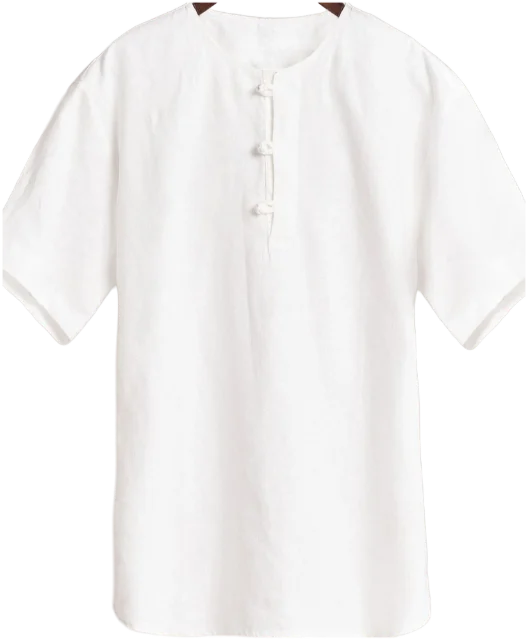
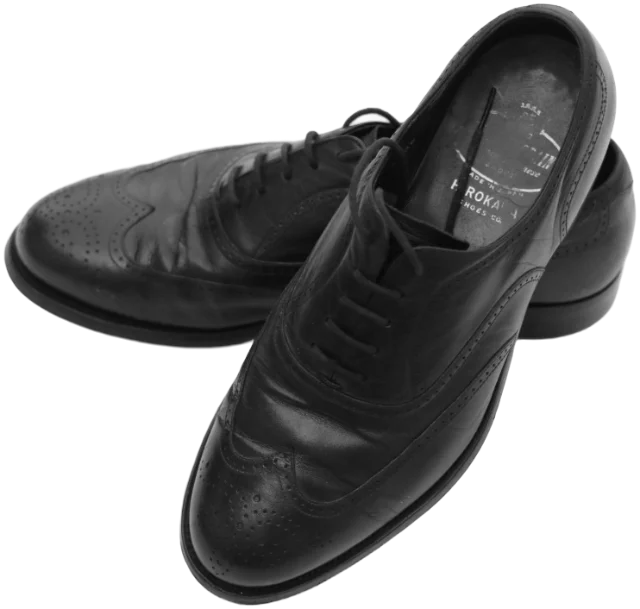
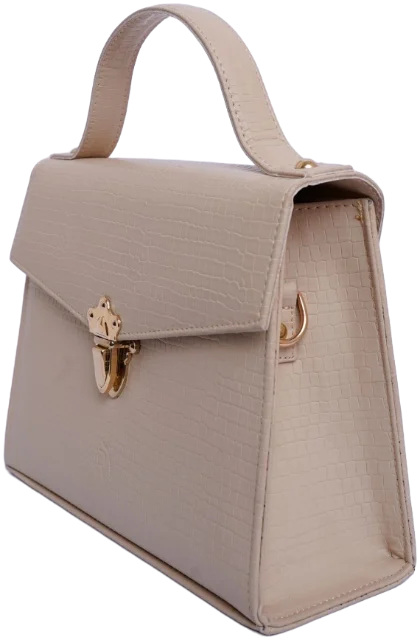
A work capsule wardrobe is a small set of office clothes, usually 12 to 20 pieces, that all mix: one or two blazers, shirts and fine knits, two or three pairs of trousers, a dress or skirt, and two or three pairs of shoes. Size it to your office days and dress code.
Key takeaways
- Size your work capsule to your real office days: around 8 to 10 pieces for one or two days a week, 16 to 20 for four or five.
- Dress to the standard your office actually keeps, not the one in the handbook.
- Buy comfortable smart shoes and a blazer first, because they change the most outfits.
- Five formulas, from meeting day to Friday, turn a small capsule into weeks of outfits.
- Plan two weeks at a time, and let the blazer repeat as often as you like.
Below: how to work out your number, what to buy first, five outfit formulas for the week, and a rotation that means you’re never standing at the wardrobe at 7.40am, undecided.
Start with your office days and your dress code
The five-day office week is no longer everyone’s week. More than a quarter (28%) of working adults in Great Britain hybrid worked between January and March 2025, according to the Office for National Statistics. If you’re in two or three days, a wardrobe built for five is mostly dead weight.
So write down two things before you start:
- Office days per week. Count a typical week, not the busiest one.
- Your real dress code. Look at what well-dressed people at your level actually wear, not what the handbook says.
Most offices fall into one of three bands:
- Business formal: suits or matching tailoring, shirts, polished leather shoes. Common in law, finance and client-facing roles.
- Business casual: blazers and tailored trousers, knits and shirts, dresses and skirts, rarely a tie.
- Smart casual: dark jeans allowed, tees under blazers, clean trainers on some days.
If the line between the last two is blurry where you work, our guide to the smart casual dress code sorts it out.
One thing worth knowing: government guidance says workplace dress codes for men and women don’t have to be identical but should set equivalent standards, and that requiring only female staff to wear high heels is likely to be direct sex discrimination (GOV.UK). Smart shoes are a fair ask. Heels for one sex only are not.
How many pieces does a work capsule wardrobe need?
Decide how long you want to go before repeating an outfit exactly, then count backwards. For most people, a week or two is plenty, and nobody else is keeping score.
| Office days a week | Pieces | A typical split |
|---|---|---|
| 1–2 | 8–10 | 1 blazer, 3–4 tops or knits, 2 pairs of trousers, 1 dress or skirt, 1–2 pairs of shoes |
| 3 | 12–15 | 2 jackets, 4–6 tops and knits, 3 pairs of trousers or skirts, 1–2 dresses, 2 pairs of shoes |
| 4–5 | 16–20 | 2–3 jackets, 6–8 tops and knits, 3–4 pairs of trousers or skirts, 2 dresses or a suit, 3 pairs of shoes |
The counts leave out coats, bags and accessories. The maths is kinder than it looks: four tops and three bottoms already make 12 combinations before you add a jacket or change your shoes, which is a month of office days on a three-day week.
The work capsule wardrobe list
These 16 pieces, plus a work bag and a belt, suit a four-day, business-casual week; scale them with the table above. If you’re new to capsules, the basics are in how to build a capsule wardrobe.
Jackets (2)
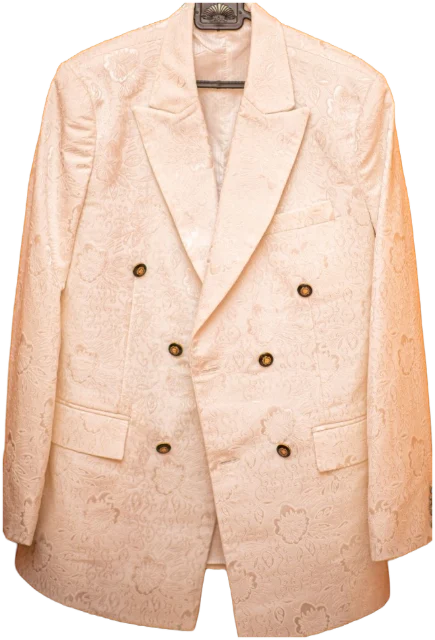
- A navy or black blazer that works with everything below
- A second jacket in a lighter neutral, or a smart longline cardigan
Tops and knits (6)
- Two shirts: white, and pale blue or a fine stripe
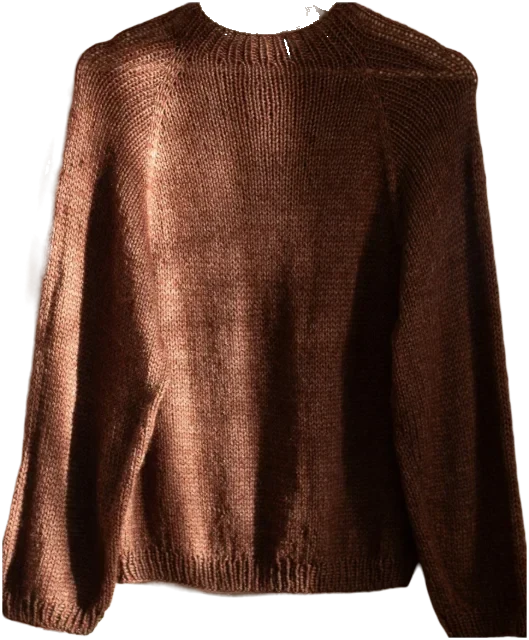
- Two fine knits that sit flat under a blazer, one in an accent colour
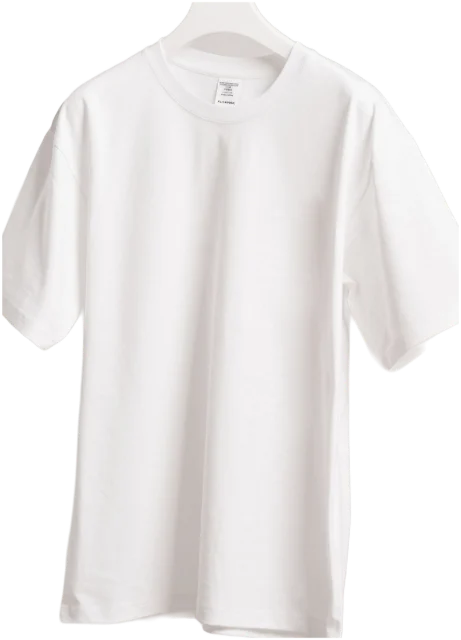
- Two plain tops or good-quality tees for under jackets
Trousers, skirts and dresses (5)
- Two pairs of tailored trousers, one dark and one light
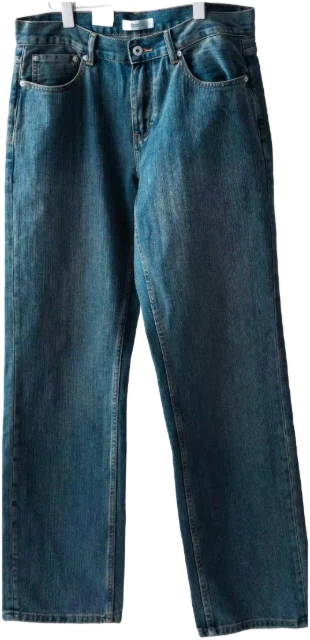
- A skirt, dark jeans if they’re allowed, or a third pair of trousers
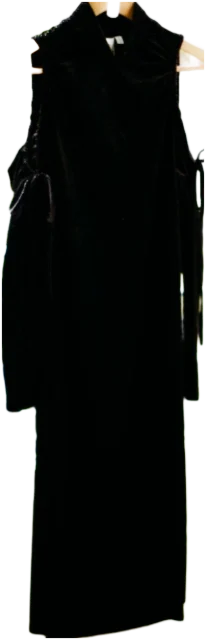
- Two dresses that work under the blazer, or a suit
Shoes (3)
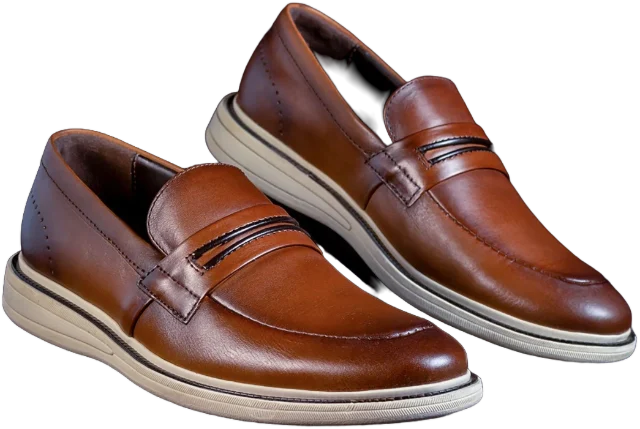
- Smart leather shoes: loafers, brogues or a low heel
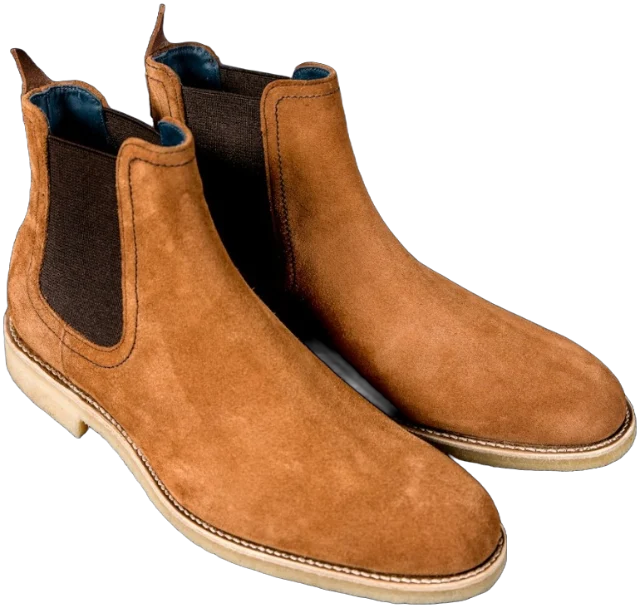
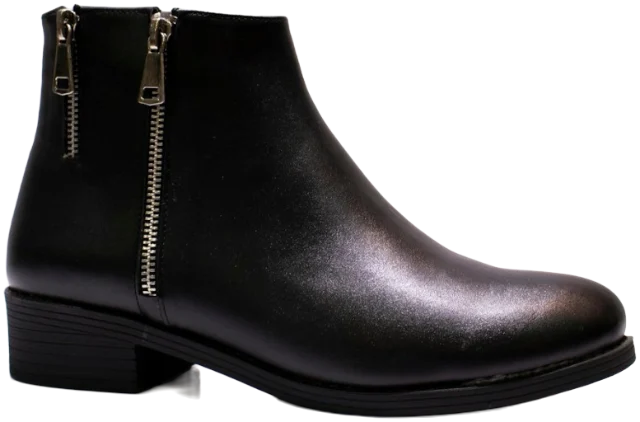
- Leather ankle boots for winter
- Comfortable shoes for the commute
Bag and belt
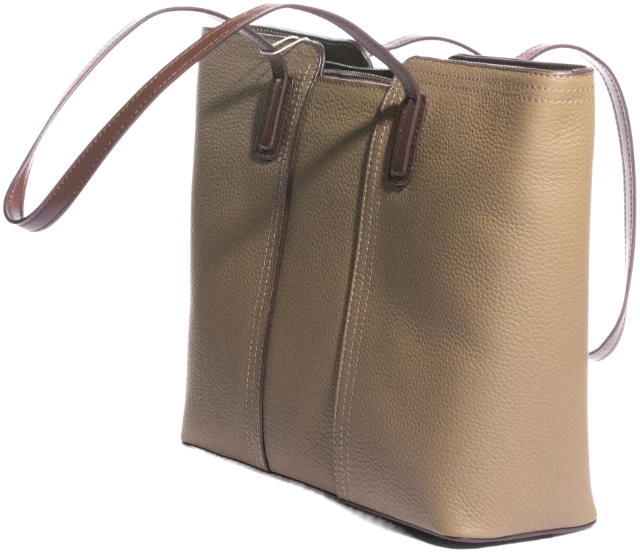
- A structured bag that takes a laptop
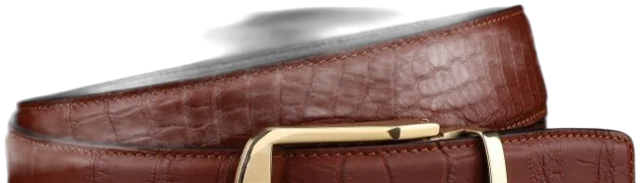
- A belt that matches your shoes
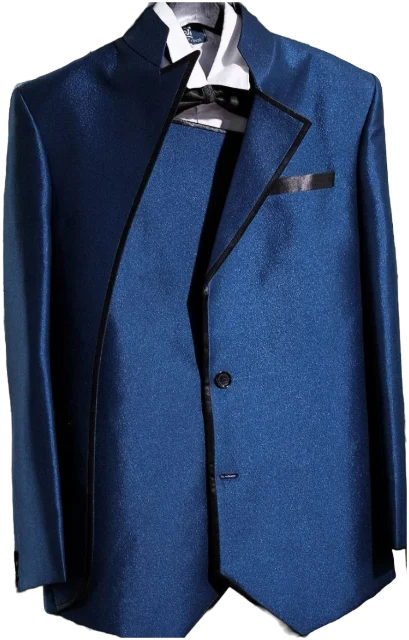
For menswear, swap the dresses for a suit in navy or charcoal: the jacket doubles as a blazer and the trousers work on their own. The blazer is the hardest-working piece on the list either way; how to style a blazer has ways to wear it beyond Monday.
Five outfit formulas for the working week
- The meeting day: blazer, shirt, tailored trousers, smart shoes.
- The desk day: fine knit, tailored trousers, loafers, belt.
- The one-piece day: dress, blazer, boots. One decision, done.
- The soft-tailoring day: plain top, the second jacket, dark trousers, smart shoes.
- The Friday: a knit or cardigan over a shirt, dark jeans or a skirt, loafers.
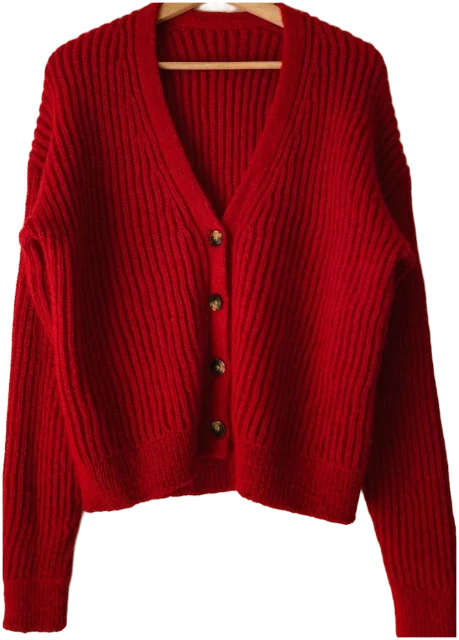
Swap the pieces inside each formula and you have weeks of outfits. There are more combinations in our guide to outfit formulas.
Plan a two-week rotation
Ten minutes on a Sunday saves far more than that across five mornings. Plan two weeks at once:
- Check your calendar for meetings, presentations, site visits and after-work plans.
- Put the meeting-day formula on your biggest days and the desk-day formula on quiet ones.
- Check the forecast and swap in boots and a waterproof layer for wet days.
- Keep any one top or pair of trousers to twice a week; the blazer, shoes and bag can repeat as often as you like.
- Write it down, or hang each outfit together at one end of the rail.
Repeating isn’t a failure. Wearing the same blazer three times a week is what blazers are for. For the planning method in more detail, see how to plan outfits for the week.
Hybrid days, the commute and video calls
A work capsule should cover the days you’re not in the office too, without turning into a second wardrobe.
- Home days: wear the easy half of the capsule, such as a fine knit or a shirt with comfortable trousers. You’re ready if a call goes on camera, and the office pieces get a rest.
- Video calls: plain colours and simple necklines read best on screen. Very fine stripes and small checks can shimmer on camera.
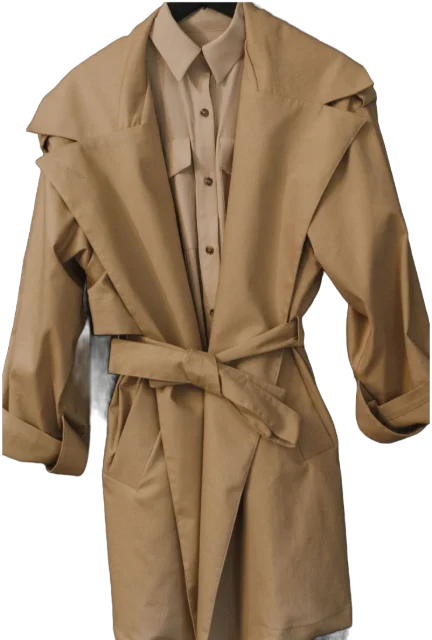
- The commute: dress for the walk and the platform as well as the desk. A trench or mac over the blazer, shoes you can walk in, and a layer you can take off on a hot train.
- The office thermostat: it’s rarely set where you’d choose, so build every outfit with a layer that comes off. A fine knit under a blazer does this better than one thick jumper.
Work wardrobe mistakes to avoid
- Dressing for the office you used to have. If your workplace has relaxed, a rail of suits is a rail of money.
- Lots of tops, too few trousers. Bottoms are easy to forget, and with fewer than three pairs the tops can’t rotate properly.
- Shoes that look right and hurt. You’ll reach for the comfortable pair every time, so build the capsule around shoes you can actually wear.
- A blazer that goes with one thing. Your main jacket should work with every pair of trousers and every dress in the capsule.
- Skipping the care. Office clothes are on show all week, so shirts need pressing and knits need de-bobbling more often than weekend clothes do.
Build it on a budget
Buy in the order that changes the most outfits:
- Shoes you can walk and stand in. Uncomfortable shoes go unworn, however smart they are.
- The blazer. It upgrades every top you already own.
- Tailored trousers. One good dark pair covers most of the week.
- Knits and shirts. They’re cheaper and easier to replace, so they come last.
Tailoring is one of the best things to buy second-hand, because blazers and wool trousers are built to last and often barely worn. Set aside a little for alterations (a hem, a sleeve, a nipped-in waist), which make a second-hand piece look made for you. There’s more on finding the good stuff in our second-hand shopping tips.
A good work capsule doesn’t make you look the same every day. It makes the decision so small that you stop noticing you’re making it.
Questions
Can you wear jeans in a work capsule wardrobe?
In smart casual and many business casual offices, yes: choose a dark, even wash with no rips and wear them with a blazer or a good knit. In formal offices, keep them for the weekend.
What colours should a work wardrobe be?
Start with one dark neutral such as navy, black or charcoal and one light one such as cream, white or grey, then add an accent colour in a knit or top. Everything should go with your main blazer.
Do I need a suit in a work capsule wardrobe?
Only if your office or your meetings call for one. A navy or charcoal suit gives you a jacket and trousers that also work separately, so it rarely goes to waste.
How often can I repeat an outfit at work?
As often as suits you. Repeating key pieces such as a blazer or shoes several times a week is exactly how a capsule is meant to work, and a new combination every week or two is plenty of variety.
Sources
- Who has access to hybrid work in Great Britain?, Office for National Statistics
- Dress codes and sex discrimination: what you need to know, GOV.UK (Government Equalities Office)