Outfit formulas that always work, and how to write your own
The best-dressed people you know probably aren’t starting from scratch each morning. They have a few recipes they trust, and you can borrow them.
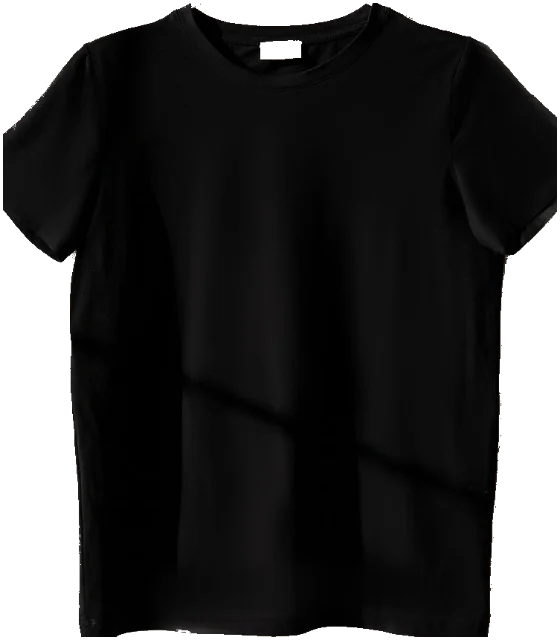
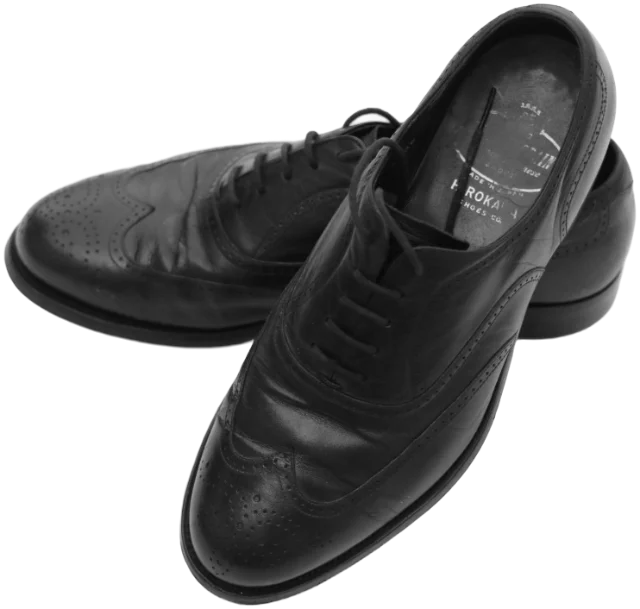
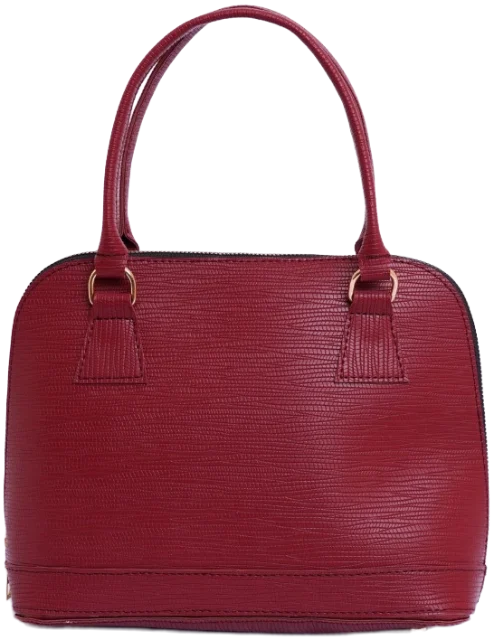
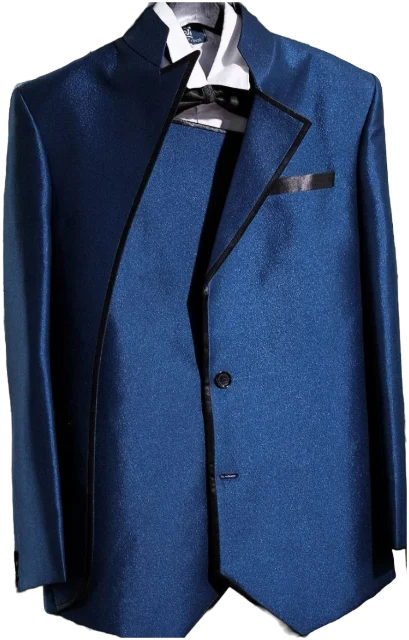
Outfit formulas are repeatable recipes for getting dressed: the same types of pieces in the same proportions, with different colours and fabrics each time. “Jumper, straight trousers, boots” is one. The formulas that always work balance a fitted piece with a looser one, keep to two or three colours, and finish with a third piece.
Key takeaways
- An outfit formula is a template of slots, such as knit + straight trousers + boots, that you fill from your own wardrobe.
- Formulas that always work balance a fitted shape with a relaxed one, keep to two or three colours, and add a third piece.
- Keep a formula each for work, weekends, evenings and bad weather, and you’ve covered most days.
- Write your own by finding the pattern in five outfits you loved wearing.
- Change one variable at a time, such as colour, texture or shoes, so a formula never looks like a uniform.
Below are twelve that work in menswear and womenswear, for the office, weekends, evenings and grey, wet days. Then there’s a method for writing your own, which is where formulas really pay off.
What is an outfit formula?
A formula is a template with slots. “Plain top + wide trousers + structured shoe” doesn’t tell you which top or which shoe; it tells you the shapes that work together, and you fill each slot from what you own. One formula can produce dozens of outfits that look different but feel equally right.
Menswear has long worked like this: shirt, trousers, jacket, leather shoes. Most people have a formula or two already without naming them, such as the outfit you reach for whenever you’re short of time.
Wearing a near-uniform to save effort has famous fans. In 2012 Barack Obama told Vanity Fair he wore only grey or blue suits, explaining, “I’m trying to pare down decisions” (Vanity Fair). The science of “decision fatigue” is less settled than that suggests: a 2016 replication of a well-known willpower-depletion experiment, run in 23 laboratories with more than 2,000 participants, found an effect close to zero (Hagger and others).
You don’t need the theory, though. A formula works for a simpler reason: it has already been tested on you. You know the proportions suit you and the pieces go together, so the only choice left is colour.
Why outfit formulas work: three rules inside every good one
1. Balance the shapes
Pair one fitted or close-cut piece with one relaxed one. A fitted tee with wide-leg trousers, a loose knit with straight or slim trousers, a long coat over a shorter layer. Two oversized pieces can work, but they need a deliberate point of structure, such as a tucked hem, a belt or a sharp shoulder. This is about the shape you like, not about hiding anything.
2. Limit the colours
Two or three colours per outfit is plenty, and neutrals count. Either keep everything in one family (cream, oatmeal, camel, brown) or use neutrals with a single accent colour. Our guide to matching colours in outfits goes further.
3. Add a third piece
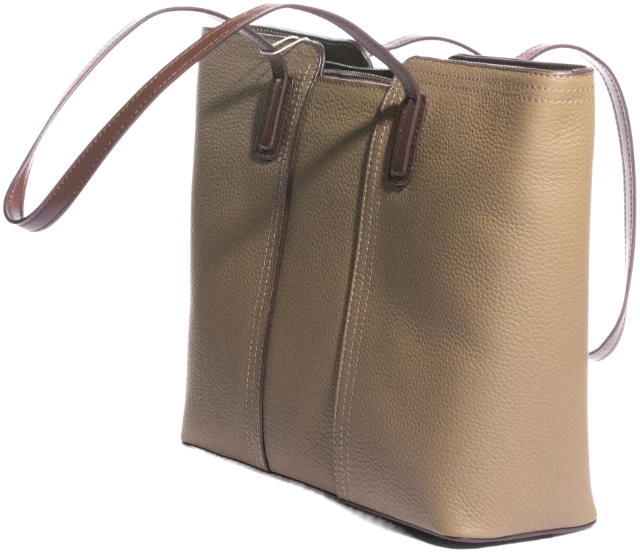
A top and bottoms are a base. A third piece, such as a jacket, cardigan, belt, scarf or a bag that stands out, is what makes it look finished. Shoes usually don’t count. If two pieces feel flat, the fix is almost always a third, not a different two.
12 outfit formulas that always work
Each formula lists the slots; fill them from what you own. Where a formula says trousers, a skirt usually works too, and where it says a dress, a knit and trousers in the same colour do a similar job. None of them depends on a particular size or shape.
Everyday
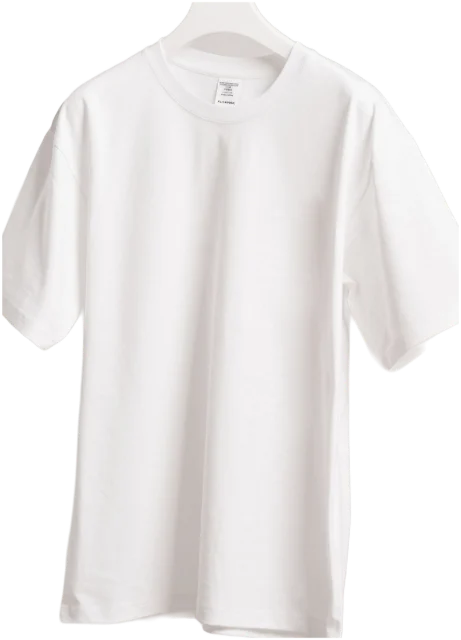
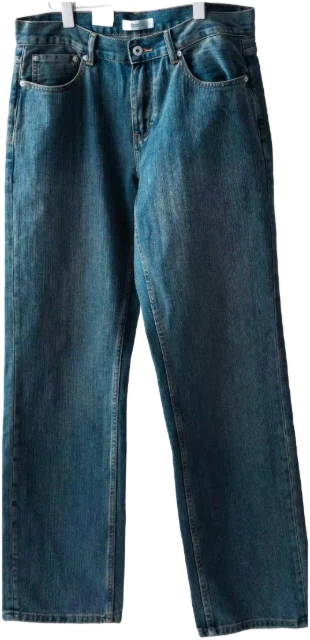
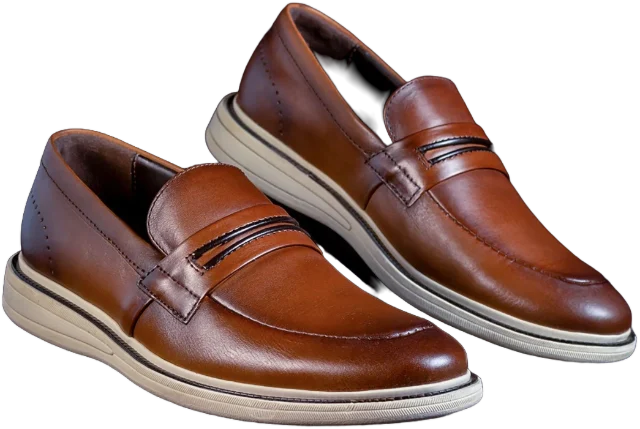
- Tee + straight jeans + blazer + loafers. The blazer’s structure makes a plain tee look intentional. Swap the loafers for trainers at the weekend or boots in winter. See how to style a blazer for more versions.
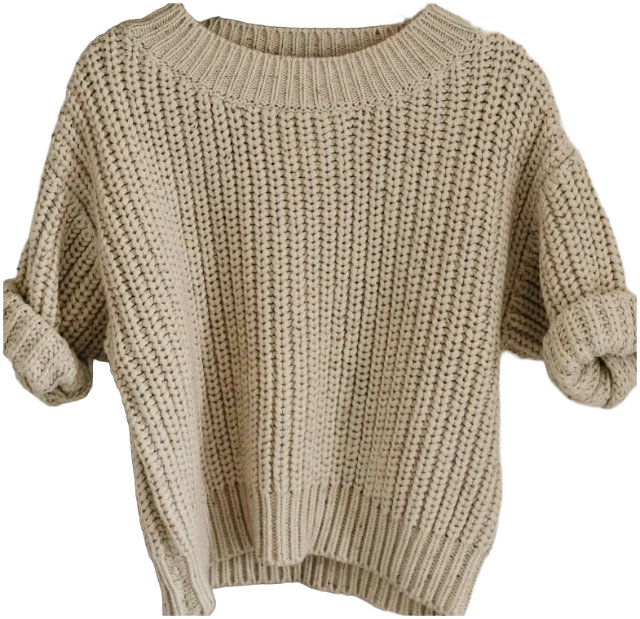
- Knit over a shirt + dark trousers or jeans + boots. Let the collar and cuffs show. The shirt adds a crisp edge to a soft jumper.
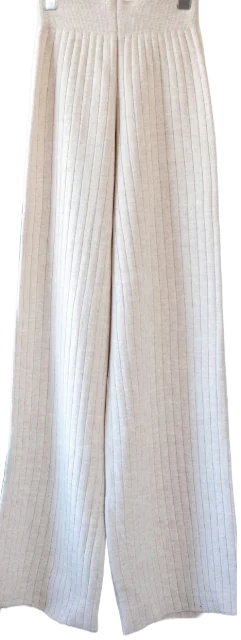
- Fitted top + wide-leg trousers + a structured shoe. The close top balances the volume below; loafers, brogues or a heeled boot keep it sharp.
- One colour family, head to toe. Cream, oatmeal and camel together, or navy with grey and denim, plus one darker accessory to anchor it. Tonal dressing looks considered on any budget, because one colour family reads as a single line.
Work
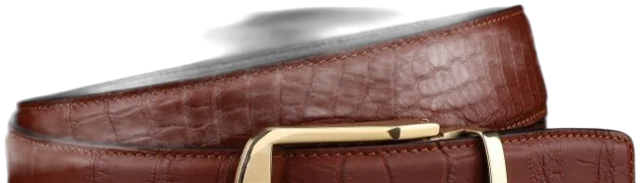
- Shirt + tailored trousers + knit or blazer + leather shoes. The default for smart and business casual offices; see our guide to the smart casual dress code for where the lines fall.
- Midi dress + blazer + ankle boots. One piece does the work, the blazer adds structure, and the boots make it practical for a commute. In summer, swap the boots for loafers and carry the blazer.
- Fine knit tucked into trousers + belt + loafers. As polished as a shirt, warmer, and nothing to iron.
Evenings and weekends
- Sweatshirt + straight jeans + clean trainers + a smart coat. A casual base under a tailored coat looks put together without trying. The contrast is the point, so keep the sweatshirt plain and the coat simple.
- Dress + cardigan + boots + belt. Belting the cardigan at the waist turns two soft pieces into one shape.
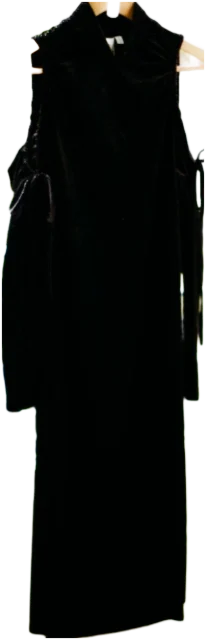
- All one dark colour + one texture + one colour accent. All black or all navy, with leather, satin or velvet for interest and a bright bag or shoe.
- Dark jeans + a good shirt or silky top + blazer + smart shoes. The formula for a dinner where you don’t know the dress code.
Cold and wet days
- Quiet base + statement coat. When the coat stays on all day, let it be the outfit. Keep everything under it in one or two neutrals, and choose shoes for the forecast, not the mirror.
How to write your own outfit formula
Borrowed formulas are a start. Your own are better, because they’re built on what you already wear and feel good in.
- Find five outfits you loved wearing. Look back through photos, or note the outfits you felt best in over the past month.
- Look for the pattern. What’s fitted and what’s loose? Which lengths? How many colours? Which shoes keep coming back?
- Write it as slots, not pieces. “Relaxed knit + straight trousers + ankle boots + one colour accent”, not “my grey jumper and black jeans”.
- Test it for a week. Fill the slots differently each day. Keep the versions that work and notice the ones that don’t.
- Adapt it to the day. Change one slot for the occasion and the rest can stay the same, as in the table below.
Here’s one simple formula, top + bottoms + third piece + shoes, filled four ways from the same small wardrobe:
| Day | Top | Bottoms | Third piece | Shoes |
|---|---|---|---|---|
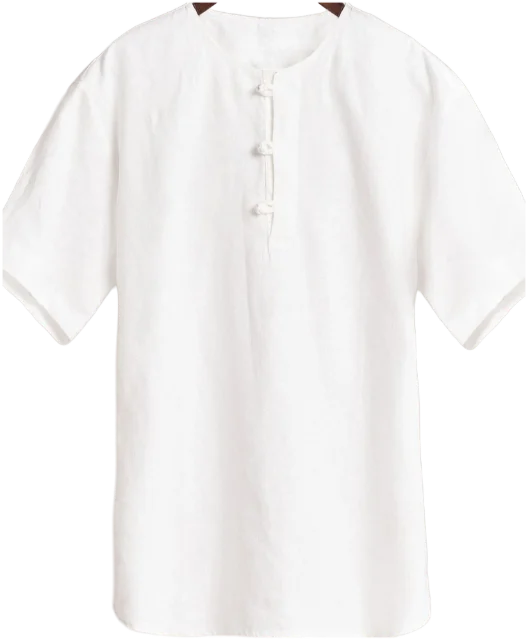
| Office | White band-collar shirt | Cream wide-leg trousers | Navy blazer | Brown loafers |
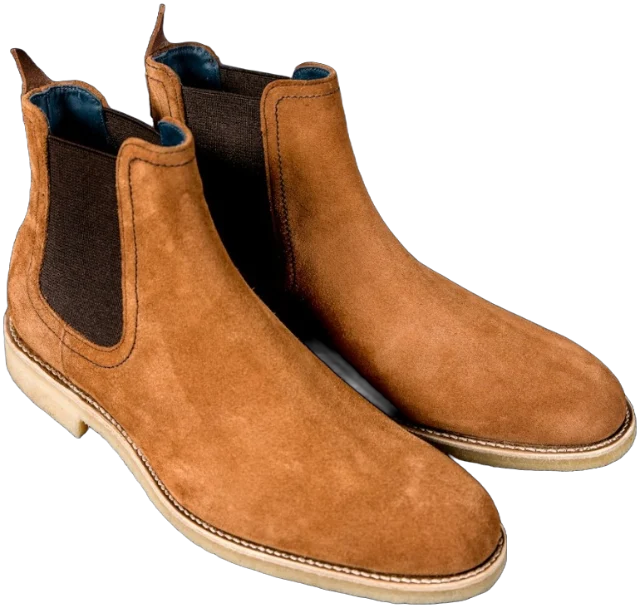
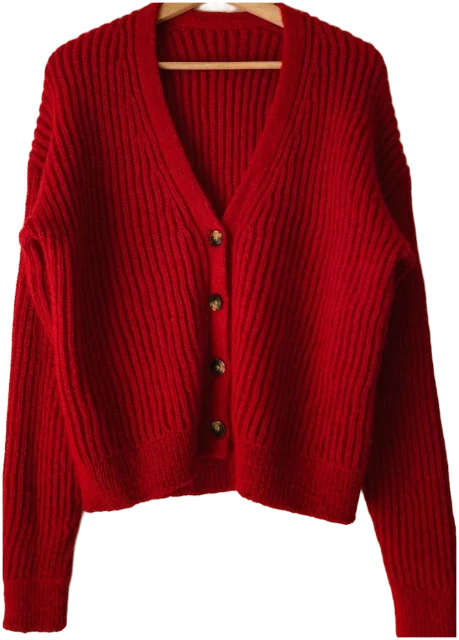
| Weekend | Black tee | Dark straight jeans | Red cardigan | Tan suede Chelsea boots |
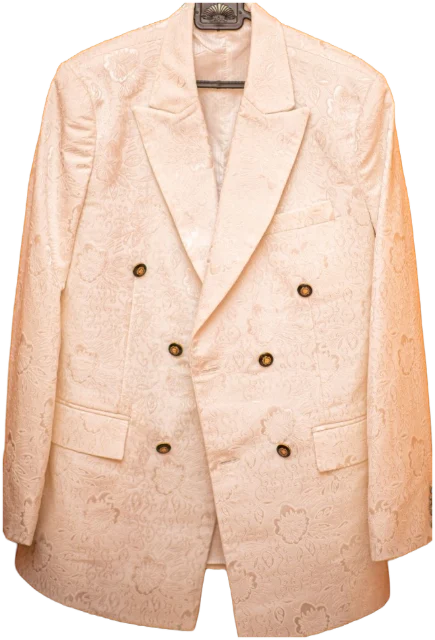
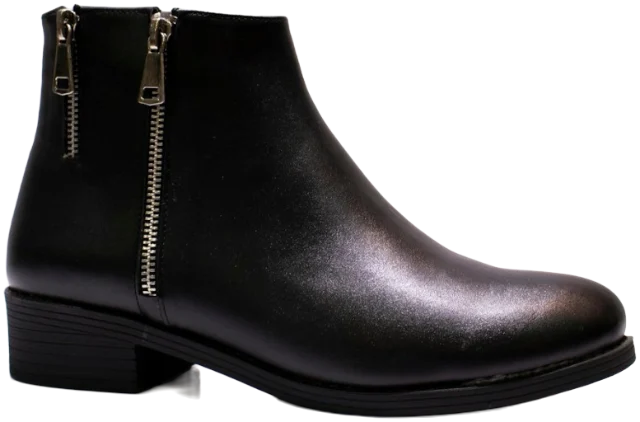
| Evening | Oatmeal knit top | Dark straight jeans | Cream blazer | Black leather ankle boots |
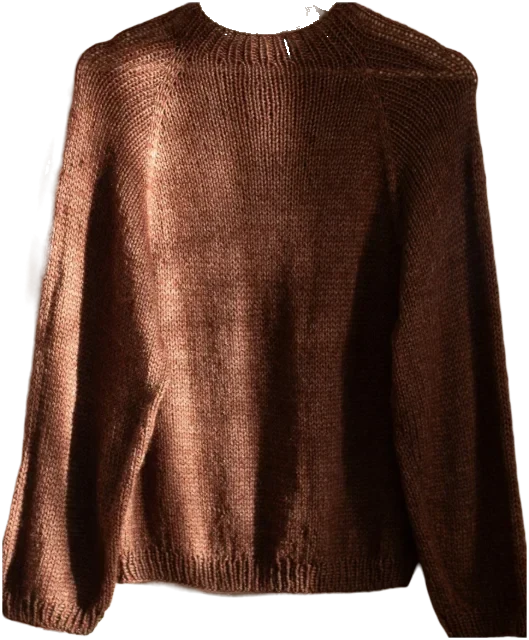
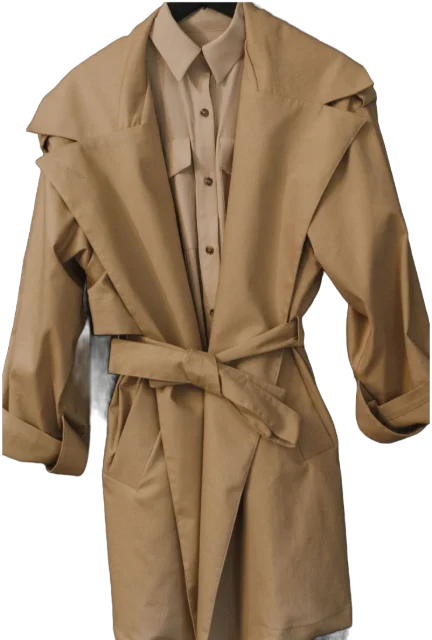
| Cold day | Chocolate jumper | Dark straight jeans | Camel trench | Black leather ankle boots |
Same formula, four different outfits, and the jeans and boots each do more than one job.
Here’s how the decoding works in practice. Say your five favourite outfits were a grey jumper with black jeans and boots, a cream knit with dark jeans and loafers, a navy cardigan over a tee with wide trousers, a white tee under a navy blazer with jeans, and a jumper over a dress with boots. The pattern is a soft layer on top, a clean line below, flat shoes and no more than two colours. (Want an actual print in the mix? Here’s how to mix patterns.) Your formula is “soft layer + clean-lined bottoms + flats + two colours”, and it will produce new outfits from clothes you already own. If you’re not sure what you like enough to spot a pattern, start with our guide to finding your personal style.
How to keep formulas from getting boring
A formula should feel like a signature, not a rut. The trick is to change one variable at a time and keep the rest steady.
- Colour: the same shapes in a different palette look like a new outfit.
- Texture: swap cotton for knit, or denim for corduroy.
- Shoes: loafers, boots and trainers move one formula from office to weekend.
- Proportion: tuck the top in, roll the sleeves, or swap a straight leg for a wide one.
- Season: add a knit and a coat in winter, take them away in summer, and the formula carries on.
- Borrow from pictures: when you see an outfit you like, describe it as slots rather than pieces, then fill the slots from your own wardrobe.
The numbers are on your side. A formula with four slots and three options for each already makes 3 × 3 × 3 × 3 = 81 combinations; we show the full sums in how many outfits your wardrobe can make. And if you have lots of clothes but formulas still don’t come together, our piece on feeling you have nothing to wear looks at other causes.
Questions
How many outfit formulas do I need?
Three or four cover most weeks: one for work, one for weekends, one for evenings and one for cold or wet days. Add another only when part of your life isn’t covered.
Do outfit formulas work for menswear?
Yes. Menswear has long run on formulas, from shirt, chinos and loafers to knit, jeans and boots. The same rules of proportion, colour and a third piece apply to any wardrobe.
What is the rule of three in fashion?
It’s the idea that a top and bottoms are only a base, and a third piece, such as a jacket, cardigan, belt or scarf, finishes the outfit. Shoes usually don’t count as the third piece.
Isn’t wearing the same formula every day just a uniform?
Close to it, and that’s no bad thing. A formula fixes the shapes rather than the pieces, so changing the colours, fabrics and shoes keeps it from looking the same each day.
Sources
- Obama’s way, Vanity Fair (Michael Lewis, October 2012)
- A multilab preregistered replication of the ego-depletion effect, Perspectives on Psychological Science (Hagger and others, 2016)