How to mix patterns: the rules, the pairings and when to break them
Two prints in one outfit can look brilliantly deliberate or like you got dressed in the dark. The difference is a handful of simple rules, and here they are.
Here’s how to mix patterns: pair two prints of clearly different sizes, such as a bold floral with a fine stripe, and make sure they share at least one colour. Keep the rest of the outfit plain, and start with patterns that behave like neutrals, such as stripes, small checks and polka dots.
Key takeaways
- Vary the scale: pair a large pattern with a small one so they don’t compete.
- Repeat at least one colour across both patterns so they look chosen together.
- Stripes, small checks and polka dots behave like neutrals, so start with them.
- Begin with two patterns and put a plain piece between or around them.
- If two patterns seem to shimmer, they’re too close in size and contrast: change one.
The five rules of pattern mixing
None of these is law, but together they explain why some pattern-on-pattern outfits look effortless and others look like a test card. Get the first two right and you’re most of the way there.
- Change the scale. Pair a large pattern with a small one: a wide stripe with a ditsy floral, a big check with a fine pinstripe. Two patterns of the same size compete for attention, and close, high-contrast stripes are the worst offenders. Vision scientists have long found that high-contrast stripes of equal width and spacing are the patterns most likely to cause visual discomfort and distortion, especially in people prone to migraine, as a 2015 paper in Frontiers in Psychology sets out. It’s a good reason never to put two fine, high-contrast stripes side by side.
- Share a colour. Pick one colour that appears in both patterns, even if it’s only a thread in one of them. A navy stripe with a floral that has navy in it looks chosen; the same stripe with an orange and green floral looks accidental. Our guide to matching colours in outfits shows which colours sit well together.
- Mix pattern types. Different shapes are easier to combine than near-identical ones: stripes with florals, checks with dots, geometric with organic. If you do pair the same type, such as two stripes, make the difference in scale dramatic.
- Give the eye somewhere to rest. Put a plain piece between or around your patterns: a solid jacket, plain trousers, a belt. Two patterns touching from neck to knee is a lot; the same two separated by a plain cardigan is easy.
- Let one lead. Decide which pattern is the star, and keep the other quieter in scale, contrast or colour. Two loud prints at equal volume shout over each other.
Start with patterns that act like neutrals
Some patterns are so familiar that the eye reads them almost as a plain colour. They’re the safest partners for anything else, and the best place to start:
- Stripes: Breton stripes, pinstripes, ticking stripes
- Small checks: gingham, houndstooth, small glen checks
- Polka dots, especially small ones in two colours
- Woven textures such as herringbone and fine tweed
- Animal prints, which many people treat as a neutral (more on that in the FAQ)
If you want proof that mixing scales works, look at tartan: it’s stripes of several widths crossing each other in one cloth. Scotland takes it seriously enough to keep an official register, the Scottish Register of Tartans, set up by an Act of the Scottish Parliament in 2008, which holds information on thousands of tartans.
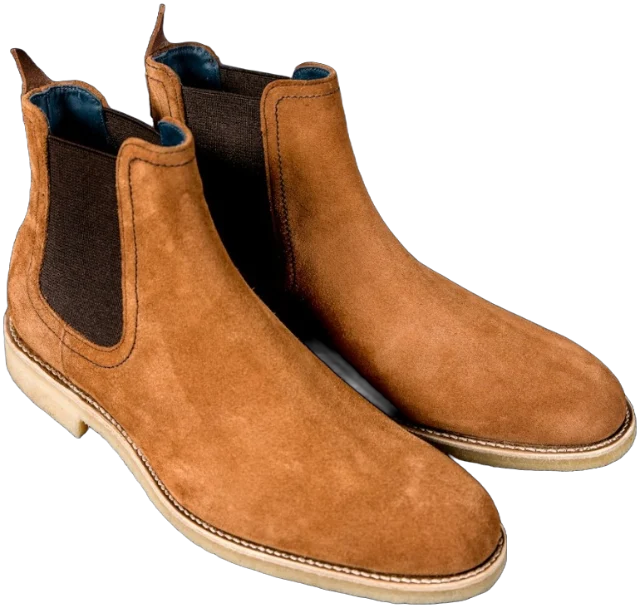
Not ready for prints? Mix textures first. Cable knit, suede, leather, tweed and corduroy give an outfit the same depth as pattern, with no risk of clashing. If your wardrobe is mostly calm colours, our guide to building a neutral wardrobe that isn’t boring shows how texture and the odd pattern bring it to life.
Pattern pairings that work
Use this as a cheat sheet. Each pairing follows at least two of the rules above, which is why it works.
| Pattern | Pair it with | Why it works | Try it as |
|---|---|---|---|
| Breton stripe | Floral | Straight lines against organic shapes | A striped tee under a floral skirt, or a floral scarf over a striped jumper |
| Fine pinstripe | Bold check | A small, quiet pattern next to a big one | A pinstripe shirt under a check blazer |
| Gingham | Floral | Both soft and summery, easily sharing a colour | A gingham shirt with a floral tie or a floral midi skirt |
| Polka dot | Stripe | Round shapes against straight lines | A dotted scarf with a striped top |
| Leopard | Stripe | The print acts as a neutral | Leopard shoes or a leopard bag with a striped shirt |
| Small check | Large check | Same family, very different scale | A gingham shirt under a windowpane check jacket |
| Paisley | Fine stripe | Busy curves need calm lines | A paisley scarf or tie with a striped shirt |
| Tartan | Fine stripe or cable knit | Tartan already mixes scales, so keep its partner quiet | A tartan scarf over a cable jumper |
How to mix patterns in menswear
Classic tailoring has the clearest pattern-mixing rules of all, and they’re easy to borrow.
Shirt, tie and jacket
Give each layer a different scale. A fine-check shirt, a medium stripe on the tie and a large check on the jacket is the textbook version. With three patterns, alternate the scale (large, small, large, or the reverse) so neighbouring pieces never match in size. The tie and shirt are where clashes happen most, because they sit right next to each other.
A pocket square should pick up a colour from the tie or shirt rather than match the tie exactly; a matching tie-and-square set looks like it came in a gift box.
Casual outfits
- A check overshirt open over a striped tee.
- A printed short-sleeved shirt under a plain jacket, with striped or patterned socks for a second pattern.
- A check blazer with a plain or finely striped shirt. It’s the easiest patterned tailoring to wear; our guide on how to style a blazer covers the rest of the outfit.
Mixing prints with dresses, skirts and separates
A printed dress is already one pattern, so the second should be either small, or kept to a layer you can take off.
- Stripes under a dress. A fine striped tee under a printed slip dress or pinafore is one of the simplest pattern mixes there is.
- A check jacket over a floral dress. Keep the check bigger and calmer than the floral, or vice versa.
- Two florals. One large and one ditsy, in the same colour family, such as a big-bloom skirt with a tiny-flower blouse.
- Prints in the same colourway. Wearing two different patterns in identical colours, like a co-ord with a striped top and a spotted skirt, is the lowest-risk way to wear a lot of pattern.
- Dark tights or plain shoes stop a busy outfit running all the way to the floor.
Print-on-print is also a good way to look properly dressed up at a daytime celebration. Check the invitation first; our guide to wedding guest dress codes explains what each wording means.
Small doses: accessories, shoes and coats
If pattern mixing feels like a leap, do it in miniature. One patterned garment plus one patterned accessory counts, and it’s much easier to judge.
- Scarves: the classic second pattern, and easy to swap if it isn’t working.
- Bags and shoes: a leopard or check bag with a striped top, or patterned trainers with a check shirt.
- Socks: the menswear way in; they flash a pattern without competing with the shirt.
- Coats: a check coat over a striped jumper is a winter pattern mix plenty of people wear without noticing.
- Hair scarves and headbands: the smallest doses of all, but they still count.
Three patterns, and the mistakes to avoid
Once two patterns feel easy, three is just the same rules with more care. Vary all three scales, repeat one colour through every piece, and keep at least one item plain, such as shoes, trousers or a coat. The more patterns you add, the tighter the colour palette needs to be.
The mistakes that trip most people up:
- Same-size patterns side by side, especially two fine stripes or two small checks.
- Two separate colour palettes, with no colour linking them.
- Two statement prints at full volume. One has to step back.
- Ignoring texture and shine. A shiny satin print and a chunky tweed check can clash even when the colours match.
- Nothing plain at all, so the eye has nowhere to land.
Above all, pattern mixing is personal. Some people love a full-on maximalist look; others want one quiet stripe and a dotted scarf. If you’re still working out which you are, our guide to finding your personal style is a good next step.
Questions
Can you mix stripes and florals?
Yes, it’s one of the easiest pairings, because the shapes are so different. Choose a stripe in a colour that appears in the floral, and make one of the two noticeably smaller or quieter than the other.
Is leopard print a neutral?
It often behaves like one, because its browns, blacks and creams sit happily with most wardrobes. Next to stripes or plain colours it reads as a neutral; next to another bold print, treat it as the loud piece.
Can you wear two different checks together?
Yes, if the scales are very different, such as a small gingham shirt under a large windowpane check jacket, and the colours relate. Two checks of a similar size side by side tend to clash.
Do busy patterns work on camera?
Fine stripes, tiny checks and herringbone can shimmer or ripple on video and in phone photos, because the pattern clashes with the camera’s grid of pixels. For video calls, choose larger patterns or plain colours near your face.
Sources
- Pattern glare: the effects of contrast and color, Frontiers in Psychology (Monger, Wilkins and Allen, 2015)
- About us, Scottish Register of Tartans