How to find your personal style (without starting from scratch)
Personal style isn’t a label you pick or a look you copy. It’s a short list of choices you keep making, and most of the evidence is already hanging in your wardrobe.
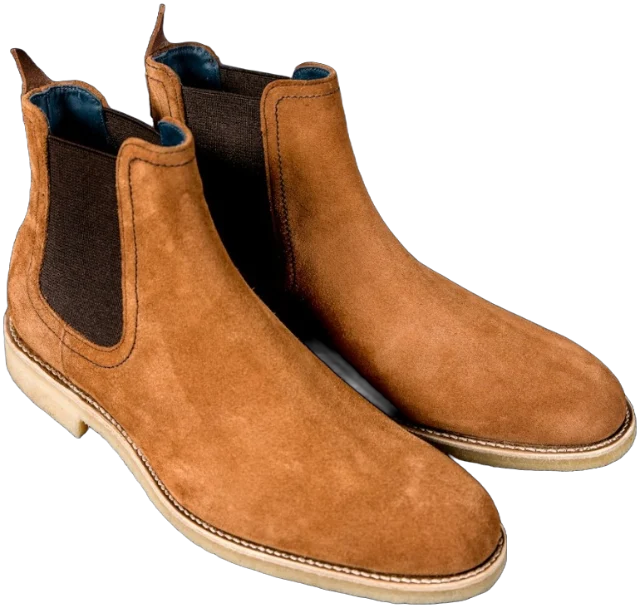
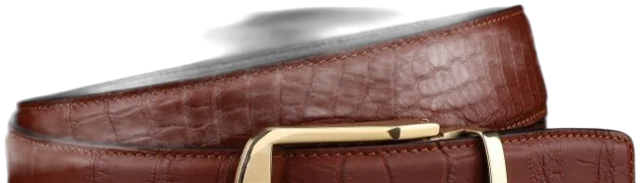
Here’s how to find your personal style: look at what you already wear and love, collect pictures of outfits you’d happily put on, and note what repeats. Sum it up in three words, build one or two outfit formulas around them, and test them with your own clothes before you buy anything new.
Key takeaways
- Your personal style is already in the clothes you wear most, so start there rather than with a mood board.
- Collect 20 to 30 pictures of outfits you’d really wear and look for what repeats.
- Write three style words and use them as a filter for every purchase.
- Build one or two outfit formulas you can repeat, then vary the details.
- Test new ideas with clothes you own before you buy, and expect your style to shift as your life does.
It sounds simple because it is. The hard part is ignoring the noise: trends, endless scrolling, and the imaginary version of you who goes to gallery openings every Thursday.
What personal style actually means
Personal style isn’t an aesthetic with a catchy name. It’s a set of choices you make again and again. People with strong style aren’t necessarily wearing expensive clothes; they’re wearing consistent ones.
It helps to think of it in four parts:
- Palette: the colours you reach for without thinking.
- Shape: the proportions you like, such as loose on top and slim below, cropped, long and lean, or boxy.
- Texture: denim and canvas, or silk and fine knits, or a bit of both.
- Formality: where you sit by default between tracksuit and tailoring.
Getting this right saves money. WRAP found that a quarter (26%) of the clothes in the average UK adult’s wardrobe had gone unworn for at least a year, and “I like the item, but it is not a priority” was one of the reasons people gave. Chances are a few of those were bought for a life, or a style, that isn’t really yours.
Style versus fashion
Fashion is what’s being sold this season. Style is what you do with it, and what you keep doing once the season moves on. You can have strong personal style and ignore trends completely, or enjoy trends and filter them through your own palette and shapes. Either way, the trend is the guest and your style is the host.
Step 1: start with what you already wear
Your wardrobe is the best evidence you have. For two weeks, take a quick mirror photo of what you wear each day, and star the days you felt most like yourself.
Then pull your ten most-worn pieces out of the closet and lay them on the bed. Ask:
- What colours are they?
- How do they fit: close, relaxed or oversized?
- What are they made of, and how do they feel?
- Where do you wear them, and how dressed-up are they?
Now do the same with five pieces you never wear, and be honest about why. The fit, the colour, the occasion, or it simply isn’t you? Your rejects are as revealing as your favourites. Our guide to tracking what you wear shows how to keep this going without it becoming a chore.
Step 2: collect pictures and look for patterns
Save 20 to 30 images of outfits you would genuinely wear, not ones you admire from a safe distance. Street photos, film stills, friends, and old pictures of yourself on a good day all count.
Then cover the faces and look only at the clothes. What repeats? Perhaps it’s wide trousers every time, or one bright colour against neutrals, or a jacket thrown over everything. Write down anything that appears three times or more. That’s a pattern; one picture is just a crush.
Step 3: write your style in three words
Choose three words that describe how you want your clothes to look and feel. A good set mixes a feel, a look and a mood: “relaxed, sharp, warm”, say, or “polished, minimal, dark”. Once you have them, they become a filter for everything you buy and wear.
Questions that help you find your words
- When did you last feel really well dressed, and what were you wearing?
- Whose style do you notice in real life, and what exactly do you notice: the colours, the fit, the ease?
- What do you want people to sense when you walk in: capable, approachable, creative, calm?
- Which fabric would you wear every day if you could?
- What do you always take off, loosen or swap by lunchtime?
- What does your week actually involve: a desk, a commute, children, the gym, evenings out?
- Which compliment do you hear most often?
If you’re stuck for words, this table translates common ones into actual clothes, for menswear and womenswear alike.
| Style word | Colours | Shapes and fabrics | Pieces that say it |
|---|---|---|---|
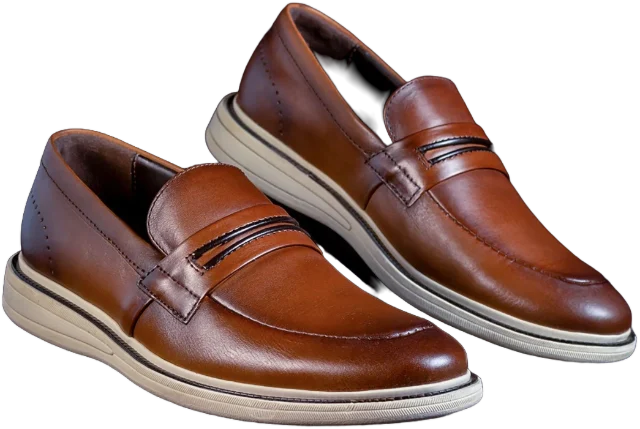
| Relaxed | Soft neutrals, denim | Loose knits, wide trousers, soft cotton | Oversized shirt, straight jeans, loafers |
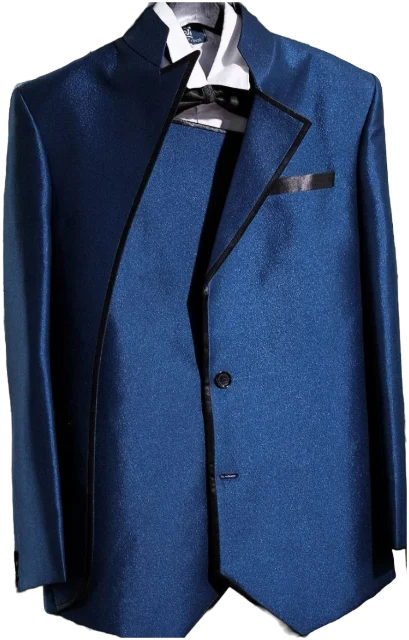
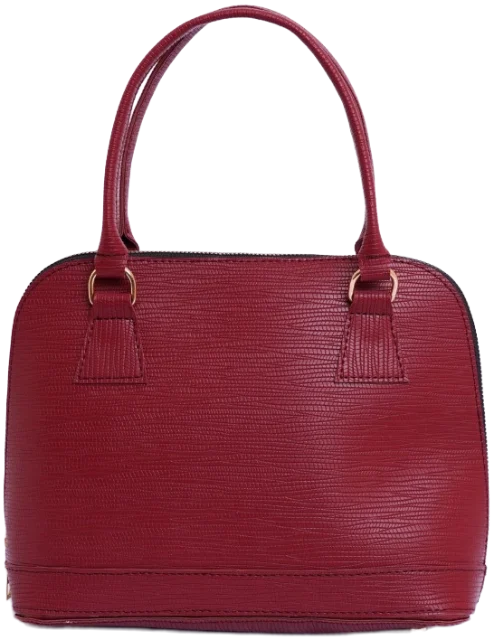
| Polished | Navy, black, cream | Structured tailoring, crisp cotton | Blazer, pressed trousers, leather bag |
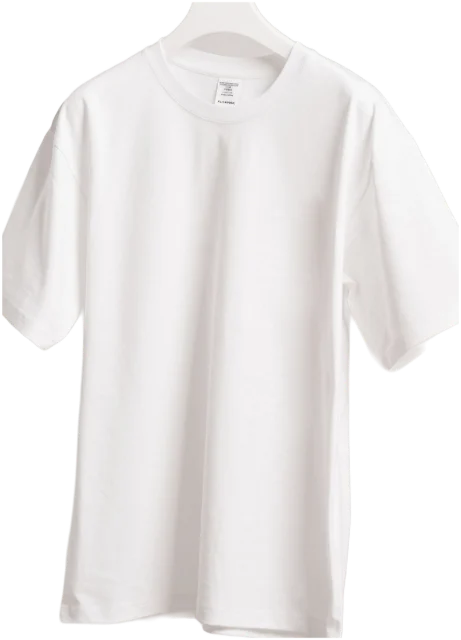
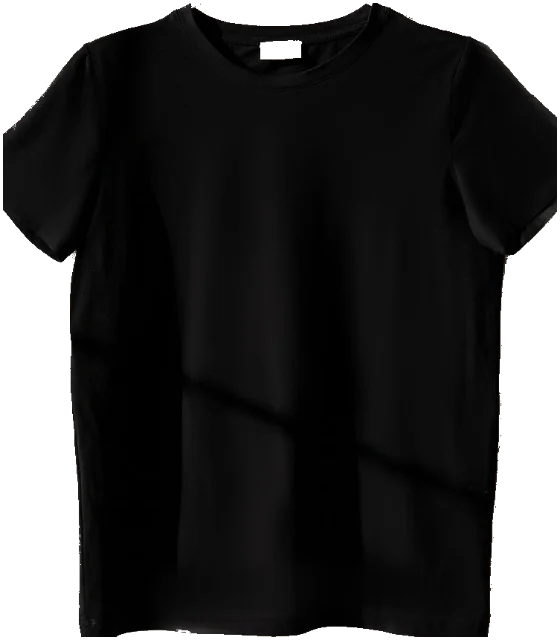
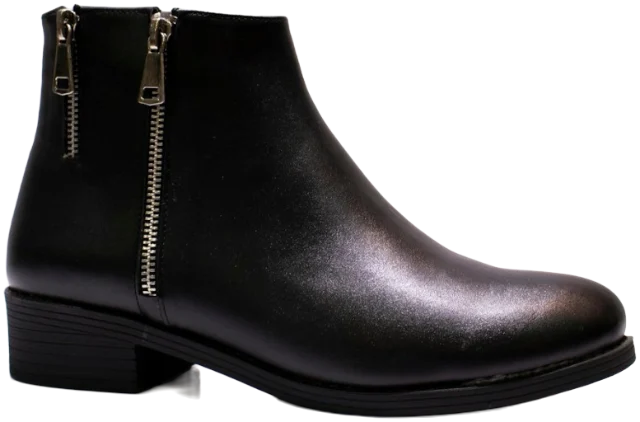
| Minimal | Two or three neutrals | Clean lines, no logos | White tee, column dress, plain boots |
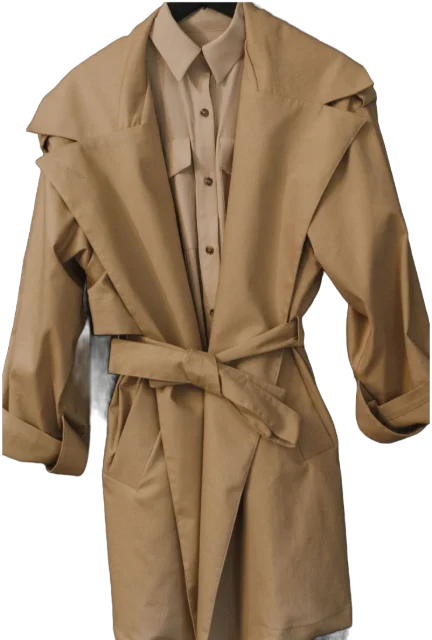
| Classic | Navy, camel, white, burgundy | Long-established cuts | Trench coat, brogues, crew-neck jumper |
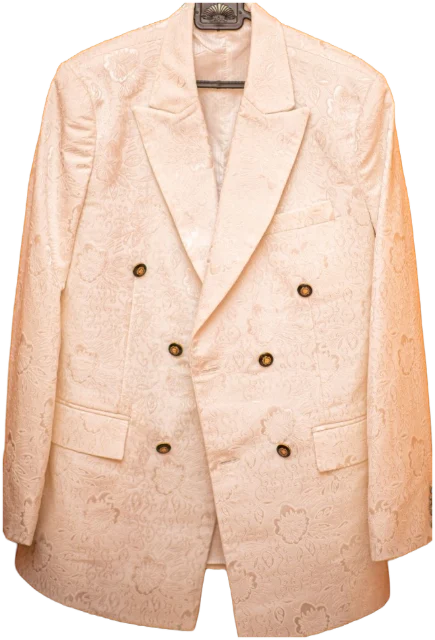
| Bold | One strong accent | Statement shapes, big proportions | Red cardigan, double-breasted blazer |
| Romantic | Soft pinks, cream | Fluid fabrics, gentle volume | Midi dress, fine cardigan, ballet flats |
| Utilitarian | Olive, khaki, navy | Pockets, sturdy cotton, canvas | Field jacket, cargo trousers, boots |
| Playful | Brights, prints | Mixed patterns, unexpected pairings | Printed shirt, coloured trainers |
Then add a fourth: one word you’re not. “Not fussy” or “not tight” will stop more bad purchases than any positive word.
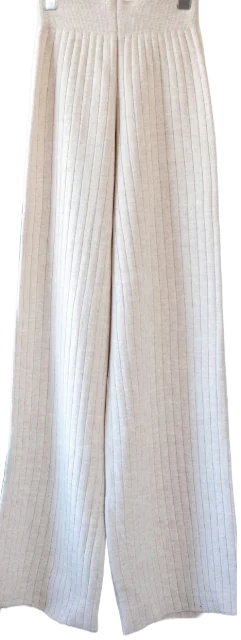
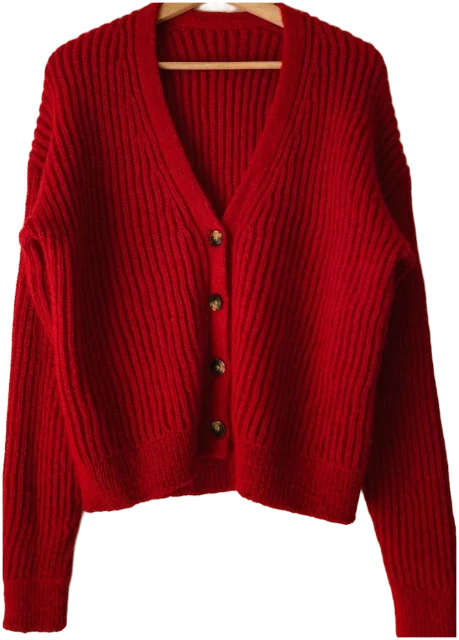
Step 4: find your shapes, colours and uniform
Shapes
Try three outfits from what you own: a fitted top with wide trousers, a loose top with slim trousers, and one long column of the same colour. Wear each for a day. Which did you keep tugging at, and which did you forget you had on? This isn’t about rules for your body; it’s about which proportions feel like you.
Colours
Your most-worn pieces have already told you your palette. Often that’s two or three neutrals plus a couple of accents. For how to put them together, see our guide on how to match colours in outfits.
Your uniform
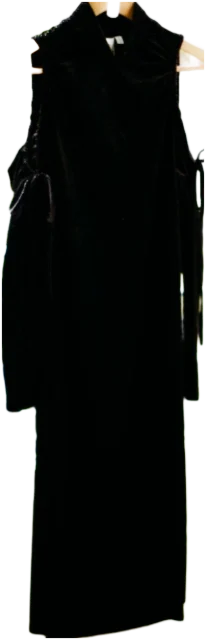
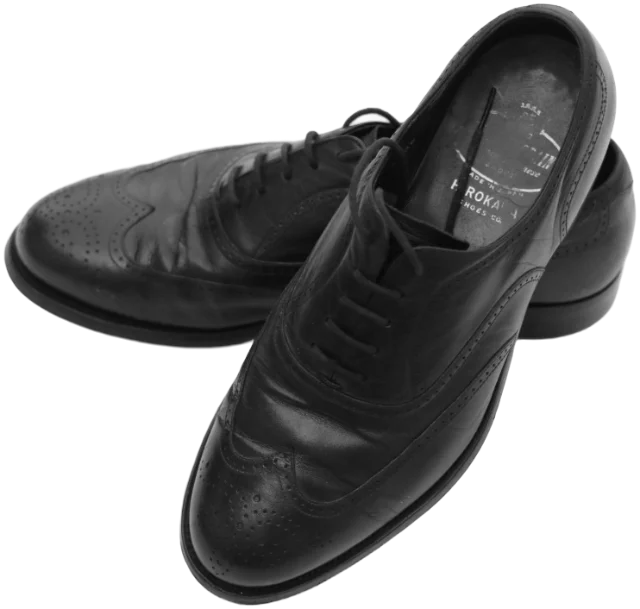
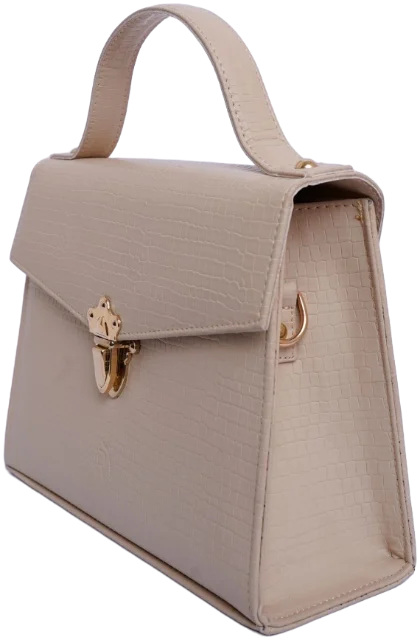
A uniform is a formula you can repeat without thinking: knit, straight jeans and boots, or midi dress, coat and brogues. It isn’t boring; it’s the base you vary with colour, texture and accessories. Our outfit formulas are a good place to find yours.
Step 5: test it before you buy anything
The quickest way to waste money is to shop your new style in one weekend. Test it first:
- Make three outfits from what you already own that fit your three words.
- Wear each for a full day. Judge how you feel at 4pm, not just in the mirror at 8am.
- Write a gap list: what one or two pieces would make more of these outfits work?
- Wait a week before buying anything on it. If you still want it, it passes.
- Check every purchase against your words. Three out of three is a yes, two is a maybe, one is a no.
If shopping is where things usually go wrong, our guide to stopping impulse buying has more ways to slow down.
Why your style will keep changing (and that’s fine)
A new job, a new city, a changing body, a baby, a new decade: style follows life. Revisit your three words twice a year, at the change of season, and let them shift.
It’s also worth taking seriously. Psychologists call the effect of clothes on the wearer’s thinking “enclothed cognition”, a term coined in a 2012 study. That study’s famous lab-coat result has been questioned, but a 2023 review of 40 studies from 24 articles, reported by the British Psychological Society, judged the core idea generally valid, with a small to moderate effect. In plain English: dressing like yourself isn’t vanity, and it may nudge how you feel and act.
Three traps to avoid
- Buying a starter kit. Discovering a new aesthetic and buying ten pieces of it in a week is how wardrobes fill up with clothes that don’t go with anything else you own.
- Copying a whole person. Borrow one idea from someone you admire, such as the way they roll a sleeve or pair navy with brown, rather than their entire wardrobe.
- Shopping in one section only. The cut you love might live in the other half of the shop. If it fits and feels like you, it’s yours; our guide to shopping across menswear and womenswear explains how to get the size right.
And if you still open the wardrobe and see nothing to wear, that’s usually a sign your clothes and your words have drifted apart, not that you need more of either.
Questions
How long does it take to find your personal style?
A few weeks of noting what you wear and what you save is usually enough to see clear patterns. Your style will keep evolving after that, which is normal.
What if I like lots of different styles?
That’s common. Look for what your favourites share, such as a colour family or a relaxed fit, and treat the rest as accents. You can also keep a work mode and a weekend mode, as long as they share a palette.
Do I need to follow trends to have personal style?
No. Trends are a good source of ideas, but personal style is about what you come back to. Borrow a trend only when it passes your three-word test.
Is a personal style quiz worth taking?
A quiz can give you useful words, but your own wear history is better evidence. Treat any result as a hunch, then check it against what you actually reach for.
Sources
- Nation’s wardrobes hold 1.6 billion items of unworn clothes, WRAP
- Enclothed cognition brushes up well, The British Psychological Society
- Enclothed cognition (Journal of Experimental Social Psychology, 2012), University of Bath research portal