How to style a blazer, from the office to the weekend
A blazer is the hardest-working jacket you can own, as long as you stop saving it for interviews. Here’s how to wear one five different ways, starting this week.
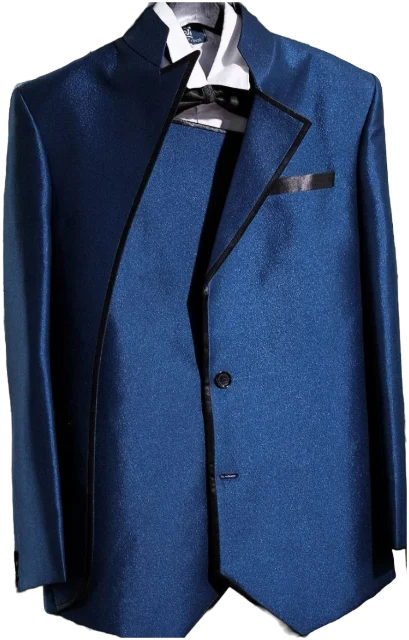
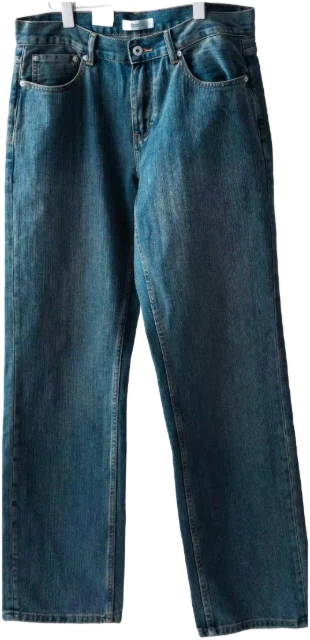
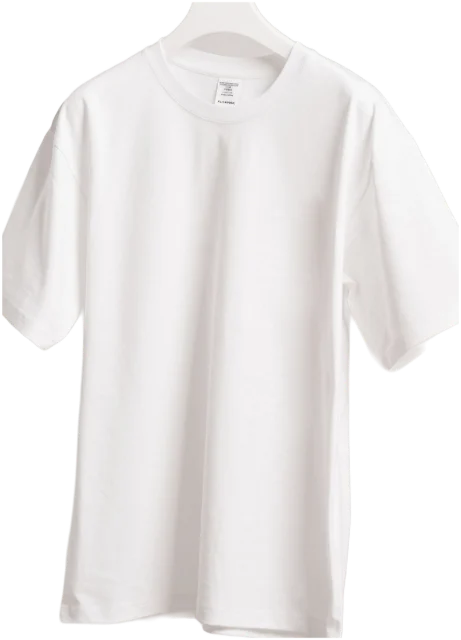
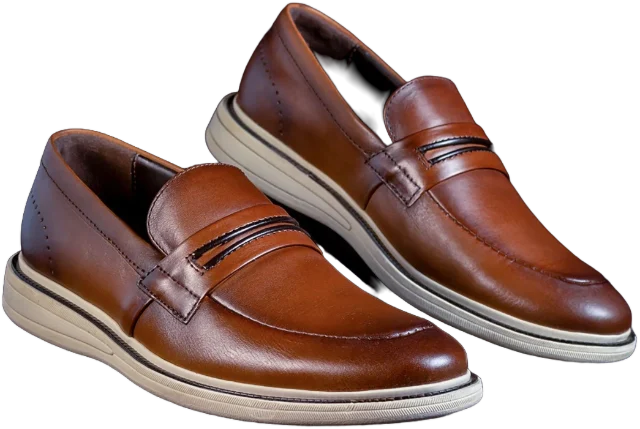
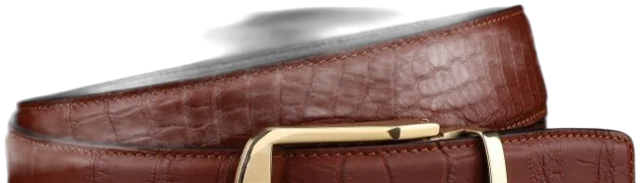
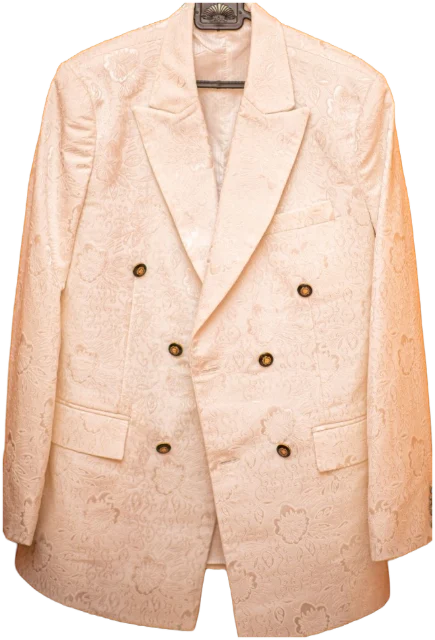
How to style a blazer comes down to what you wear with it. Pair it with a T-shirt, jeans and trainers or loafers for weekends; a shirt or fine knit and tailored trousers for work; a midi dress and boots for evenings. Get the shoulders fitted, then let the pieces around it set the dress code.
Key takeaways
- Fit the shoulders first: sleeves and length can be altered, shoulders can’t.
- What you wear under a blazer sets the dress code: a T-shirt dresses it down, a shirt or fine knit dresses it up.
- Wear a blazer with trousers that clearly don’t match it, never ones that almost do.
- Navy is the most versatile blazer colour, followed by black, cream and grey.
- On a two-button blazer, fasten the top button only, and undo it when you sit down.
How a blazer should fit
Fit decides whether a blazer looks like yours or like something you borrowed from a taller friend. Check it in this order, because the first points are the hardest to alter, and the last are the easiest.
- Shoulders. The seam should sit at the edge of your shoulder bone, with no dent in the sleeve just below it. An oversized blazer drops the seam on purpose, but it should still look intentional rather than slipping off.
- Chest and buttoning. Fasten it and look in the mirror. An X of creases pulling from the button means it’s too tight; a flat front means it fits.
- Length. A classic blazer covers most of your seat. Cropped styles sit nearer the waist and suit high-rise trousers and skirts; longline ones balance straight or slim legs.
- Sleeves. They should stop around your wrist bone, so a sliver of shirt cuff (about a centimetre) shows. Sleeves are a simple job for a tailor, so don’t reject a blazer that’s perfect apart from them.
Small differences in fit show more than you’d think. In a 2013 study in the Journal of Fashion Marketing and Management, 274 people saw faceless images of a man for up to five seconds. In a made-to-measure suit, rather than an off-the-peg one that differed only in small details, he was rated more confident, more successful, better paid and more flexible, though not more trustworthy. You don’t need bespoke. You need shoulders that fit and sleeves that end where your arms do.
Look on both sides of the shop floor, too. Menswear and womenswear blazers are cut differently through the shoulder, chest and length, so if one section never fits you, try the other. Our guide to shopping across menswear and womenswear explains how the sizes translate.
How to style a blazer casually
The casual blazer outfit has one formula worth memorising: blazer + T-shirt + jeans + clean shoes. It works because the blazer adds structure at the shoulders while everything else stays relaxed. It’s also proof that a full rail with nothing to wear is often just a good jacket you’ve been saving for best.
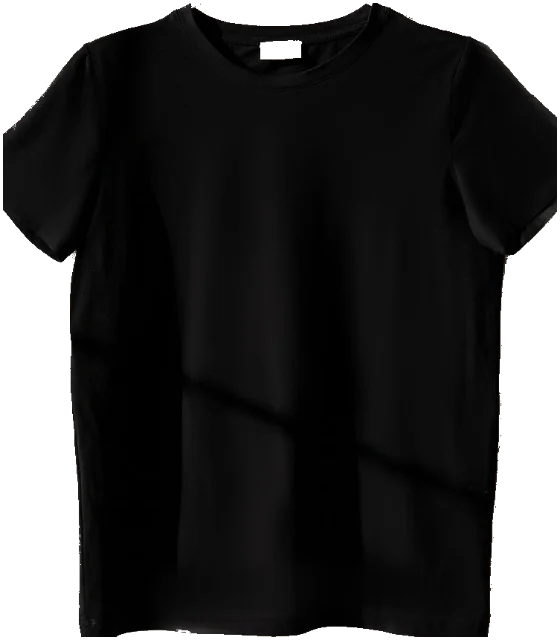
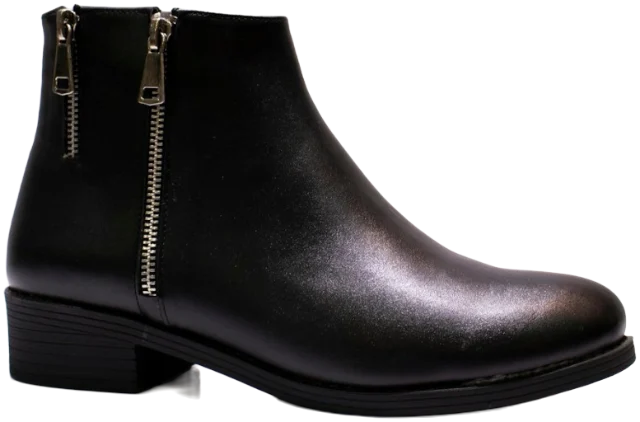
A few details make it look deliberate rather than thrown on:
- Keep the T-shirt plain and close-fitting. A crew neck in white, black, grey or navy is ideal. If the tee is baggier than the blazer, it will bunch at the hem.
- Choose dark or mid-wash straight jeans. Heavy rips and fading push the outfit towards student. That can be the point, but decide it on purpose.
- Wear it open, with the sleeves pushed up. Pushing the sleeves to the forearm makes even a sharp blazer look off duty.
- Swap the tee for a sweatshirt or a fine hoodie when it’s cold. This works best with a softer, unstructured blazer in wool, cotton or jersey.
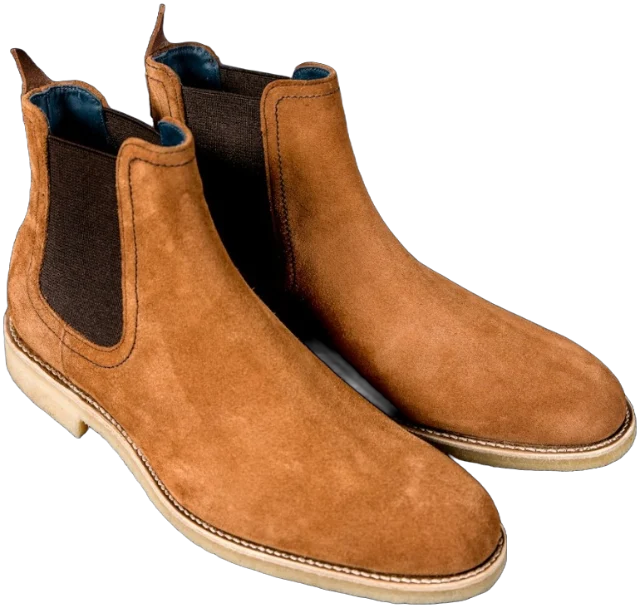
- Finish with minimal trainers, loafers or Chelsea boots. Chunky running trainers fight with tailoring; plain leather or suede ones don’t.
What to wear under a blazer
Change what’s underneath, and the same blazer moves up or down a dress code. Here’s the quick reference.
| Under the blazer | How it reads | Wear it for |
|---|---|---|
| Plain T-shirt | Relaxed, clean | Weekends, creative offices, drinks |
| Sweatshirt or hoodie | Casual, a little sporty | Cold weekends, travelling |
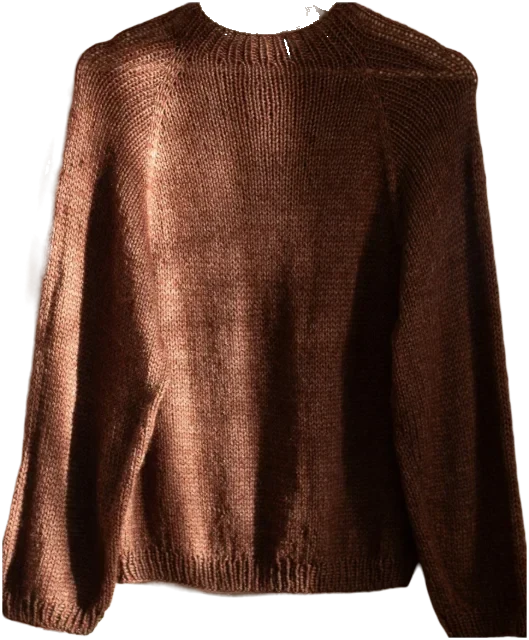
| Fine-knit jumper or roll-neck | Warm, polished, no fuss | Autumn and winter offices, dinners |
| Knitted polo | Smart casual, slightly retro | Spring and summer, work socials |
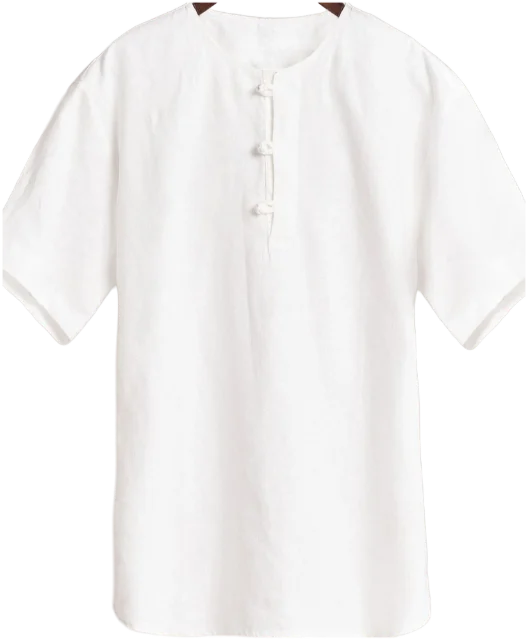
| Open-collar or band-collar shirt | Smart without trying | Business casual, meetings |
| Silky top or camisole | Evening | Dinner, parties, dates |
| Shirt and tie | Formal | Interviews, formal events |
You can stack two of these. A shirt under a jumper under a blazer is one of the most useful cold-weather office outfits there is, and the collar peeking out stops the knit looking like loungewear.
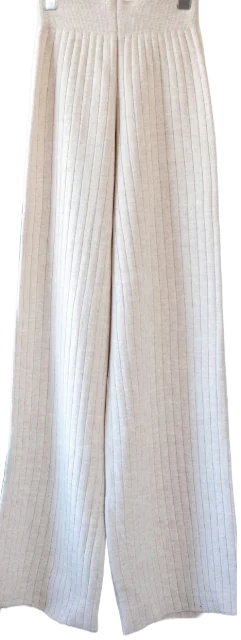
Blazer outfits for work
Most offices now sit somewhere around business casual, and a blazer is the piece that gets you there without a suit. If you’re not sure what your workplace means by it, our guide to the smart casual dress code decodes the usual wording.
The odd-trouser rule
Wear your blazer with trousers that clearly don’t match it. A navy blazer with grey, cream, stone, olive or brown trousers looks deliberate. With navy trousers in nearly the same shade, it looks like a suit whose trousers went missing. Contrast in colour or texture is what makes separates work.
Three office formulas
- Classic: navy blazer, white or pale blue shirt, grey or cream trousers, brown loafers.
- Softer: black or camel blazer, fine knit, wide-leg trousers or a midi skirt, ankle boots.
- Dress-down Friday: blazer, crisp T-shirt, dark jeans with no rips, leather trainers.
If you’re putting together a work capsule wardrobe, one well-fitting blazer in a dark neutral will earn more wears than almost anything else on the rail. For more combinations you can repeat without thinking, see our outfit formulas.
How to wear a blazer with a dress or skirt
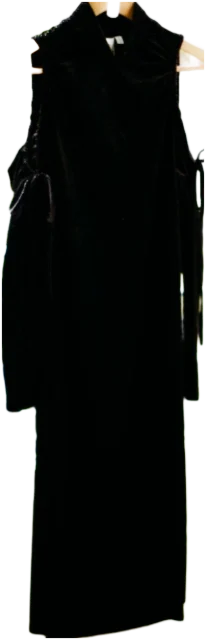
A blazer over a dress is the easiest way to make one dress work for both day and night. The trick is proportion: the jacket should end at a natural point, not halfway down the skirt.
- Midi dresses: a classic or cropped blazer that ends around the hip. With a longer blazer, a belt over the jacket at the waist adds definition.
- Short dresses and skirts: a longline or oversized blazer that’s nearly as long as the hem looks intentional.
- Slip and knitted dresses: the contrast between a structured jacket and something soft is the whole appeal.
- Shoes: ankle boots and loafers for day, heels or sleek flats for the evening.
Which shoes and colours go with a blazer
Shoes set the formality of a blazer outfit more than anything else. From most casual to most formal:
- Clean, minimal trainers in leather or canvas
- Suede Chelsea boots or desert boots
- Loafers
- Leather ankle boots
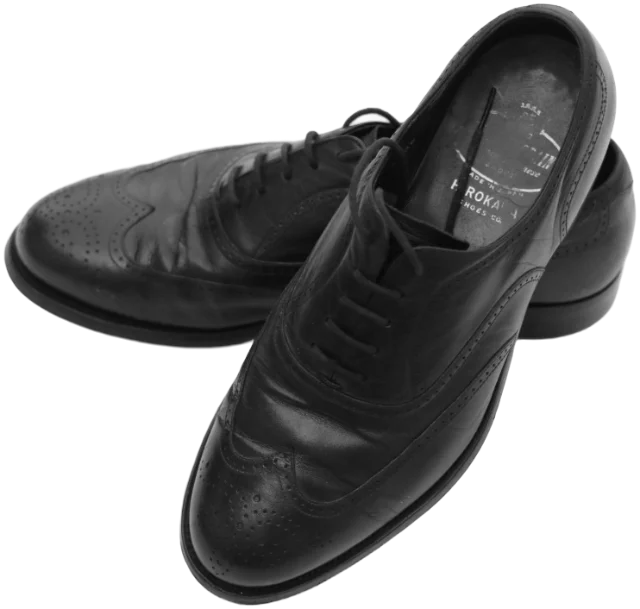
- Brogues, Derbies or Oxfords
- Heels or polished court shoes
For colour, navy is the most versatile blazer you can own: it works with jeans, grey, cream, olive, brown and black. Black is sharp and comes into its own at night; by day it looks softer with grey, cream or denim. Cream, stone and camel are spring and summer favourites and lift anything dark. Grey, brown and tweedy checks suit autumn. If you’re unsure what goes with what, our guide to matching colours in outfits has combinations that work every time.
A patterned blazer, such as a check or a pinstripe, counts as the loud piece in the outfit. Keep what’s underneath plain, and pick one colour from the pattern for your trousers or shoes.
How to button a blazer
Buttoning rules come from tailoring, where the jacket is cut on the assumption that you’ll leave the bottom button open. They’re a sensible starting point for any blazer:
- One button: fasten it when you stand, undo it when you sit.
- Two buttons: fasten the top one only. The bottom one stays open, always.
- Three buttons: “sometimes, always, never”. The top button is optional, the middle one is fastened, the bottom one is left open.
- Double-breasted: traditionally kept fastened, even when you sit, often with the bottom button left open. Relaxed and oversized double-breasted styles are often designed to be worn open, which is fine as long as the fronts hang straight.
Many womenswear blazers have a single button, or none at all, and are cut to be worn open. Follow the cut: if it pulls when fastened, it was designed to be open, or it’s a size too small.
As for the name, the word blazer is traced to the bright red jackets of the Lady Margaret Boat Club, the rowing club of St John’s College, Cambridge, founded in 1825. It started life as sportswear, which is one more reason not to save yours for best.
How to look after a blazer so it lasts
A good blazer can last for years if you treat it more like a coat than a shirt.
- Hang it on a shaped hanger with wide shoulders rather than wire, and give it a day off between wears so creases drop out.
- Empty the pockets. A phone and keys stretch them out of shape faster than anything.
- Brush and steam instead of washing. A clothes brush lifts dust and hair; a steamer, or a steamy bathroom, relaxes creases. A wool blazer rarely needs cleaning after every wear.
- Spot clean, and dry clean sparingly. Dab marks with a damp cloth, and save the dry cleaner for stains you can’t shift.
The more often you wear it, the better value it becomes. A £120 blazer worn 60 times has cost you £2 a wear, and it will have dressed up a lot of T-shirts along the way.
Questions
Is a blazer the same as a suit jacket?
Not quite. A suit jacket is made to be worn with matching trousers, usually in a smooth fabric, while a blazer is designed to be worn on its own. Textured suit jackets in wool, tweed or linen can pass as blazers; smooth, shiny ones tend to look like half a suit.
Should a blazer be tight or loose?
Neither. It should sit cleanly on your shoulders and button without creases pulling across the front. An oversized blazer is roomier through the body and shoulders by design, but it should still look deliberate, with sleeves that don’t swallow your hands.
Can you wear a blazer in summer?
Yes. Choose an unlined or half-lined blazer in linen, cotton or a lightweight wool, in a pale colour such as cream, stone or light grey. Wear it open over a T-shirt or a knitted polo, and push the sleeves up.
Can you wear a black blazer with navy or brown?
You can. Black with navy works when the contrast is clear, for example a black blazer over navy wide-leg trousers. Black with brown is warmer and softer than black with black; repeat the brown in your shoes or bag so it looks chosen.
Sources
- The influence of clothing on first impressions: Rapid and positive responses to minor changes in male attire, Journal of Fashion Marketing and Management (Howlett, Pine, Orakçıoğlu and Fletcher, 2013)
- History, Lady Margaret Boat Club