Smart casual dress code: what it means and what to wear
It’s the most common dress code on British invitations and office policies, and the vaguest. Here’s what people actually mean by it, backed by survey data, with outfits that work.
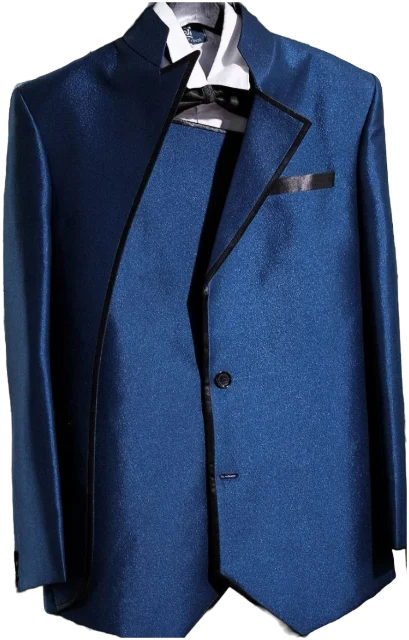
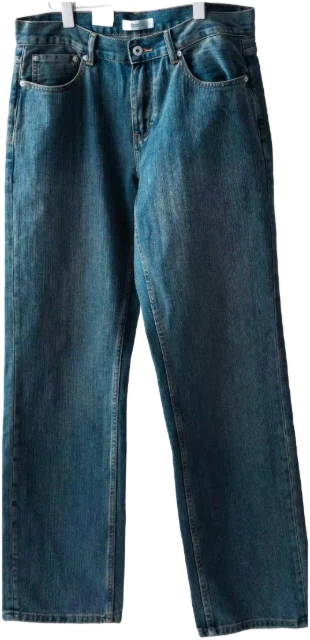
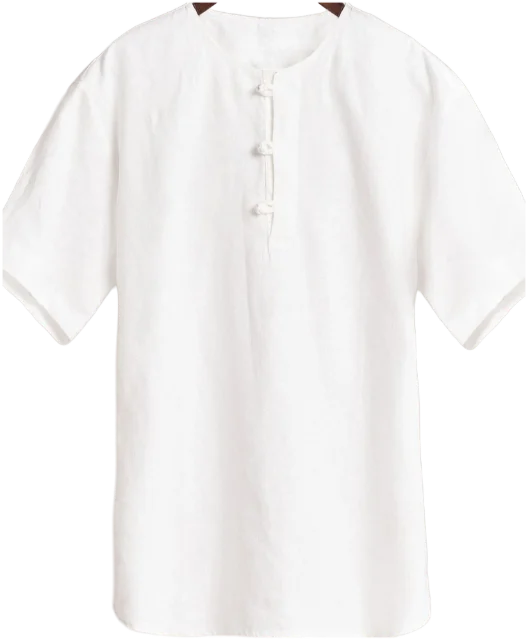
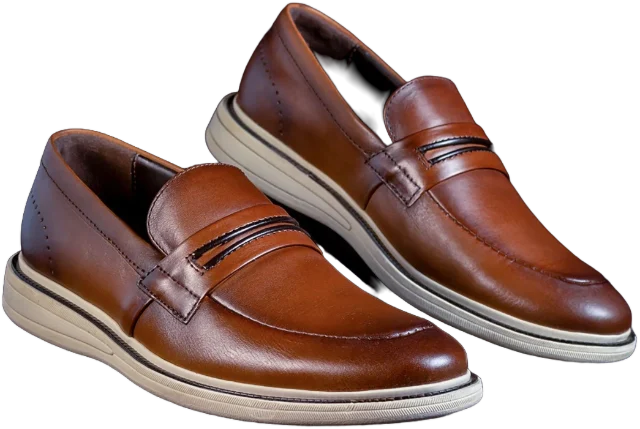
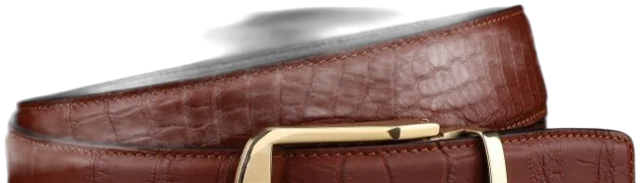
A smart casual dress code means polished but relaxed: a step up from weekend clothes, a step down from a suit. Think collared shirts, fine knits, chinos or tailored trousers, a simple dress, dark jeans where the setting allows, a blazer if you like, and clean leather shoes. Leave sportswear, ripped denim and flip-flops at home.
Key takeaways
- Smart casual is a step up from weekend clothes: shirts, knits, chinos or tailored trousers, simple dresses, dark jeans where the setting allows, and clean leather shoes.
- Business casual is a notch smarter: tailored trousers or skirts, shirts or blouses, often a blazer, and usually no jeans.
- A blazer turns a plain T-shirt from borderline into smart casual for most Britons.
- Jeans and trainers are the grey areas, so read the venue, the time of day and the people you’ll meet.
- When in doubt, dress slightly smarter: it’s easier to take a jacket off than to conjure one.
Business casual is the office version, a notch smarter. Below: what each one means in UK workplaces and at events, what Britons actually think counts, and outfits for menswear and womenswear.
What does smart casual mean in the UK?
Debrett’s calls smart casual the most ambiguous dress code of all. At its core, it means no leisurewear: no hoodies, no jogging bottoms, no flip-flops. Beyond that, the venue, the time of day and the type of event decide how far up the scale you go.
Helpfully, YouGov asked Britons what they think counts. The answers draw a clear line between safe and risky:
- Safe: chinos (95% say yes for men), a button-up collared shirt (92%), loafers (90%), dress trousers for women (92%), and loafers, ankle boots or low heels for women (90% each).
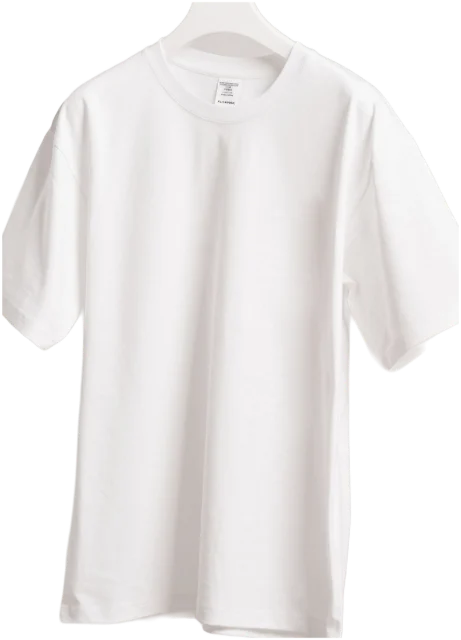
- Fine with a little help: a plain T-shirt on its own counts for only 53%, but a blazer over it raises that to 85%.
- Split: trainers, at 51% yes and 43% no for men, and 48% to 45% for women.
- Too far the other way: a full suit and tie. Only 38% said it counts as smart casual, and 59% said it doesn’t.
So smart casual isn’t just “nice clothes”. It’s a specific middle ground, and you can miss it in both directions.
Smart casual vs business casual
Both sit between formal and casual, but business casual sits closer to the suit. A useful rule of thumb: business casual is what you’d wear to meet a client, and smart casual is what you’d wear to lunch with them afterwards.
| Smart casual | Business casual | |
|---|---|---|
| Where you’ll see it | Restaurants, parties, relaxed offices, some weddings | Offices, client meetings, conferences, interviews |
| Tops | Shirts, polos, fine knits, a plain T-shirt under a blazer | Shirts and blouses, fine knits; T-shirts only under a jacket |
| Bottoms | Chinos, tailored trousers, dark jeans, skirts | Tailored trousers, chinos, skirts; jeans only if the office allows |
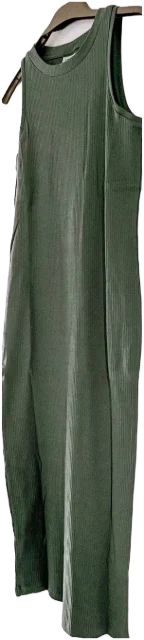
| Dresses | Shirt dresses, knit dresses, simple midis | Tailored day dresses, sheath dresses |
| Jacket | Optional | Expected for meetings |
| Tie | No | Rarely |
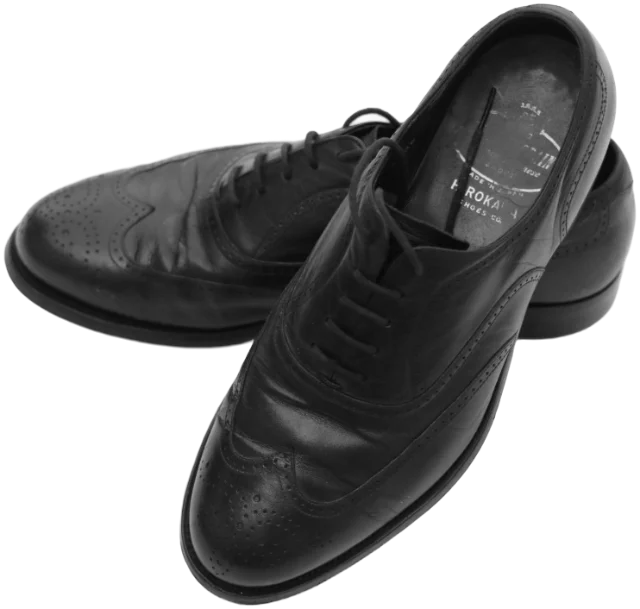
| Shoes | Loafers, brogues, ankle boots, clean leather trainers if relaxed | Loafers, brogues, Derbies, low heels, ankle boots |
Neither term has a legal or official definition, so your employer’s own policy always wins. If there isn’t one, look at what the people a level or two above you wear on a client day.
Smart casual for men
The menswear formula is simple: something with a collar or a fine knit, plus chinos, tailored trousers or dark jeans, plus leather shoes or boots. A jacket is optional; a tie isn’t needed.
- Navy blazer, white shirt, dark jeans and brown loafers: the classic for a reason.
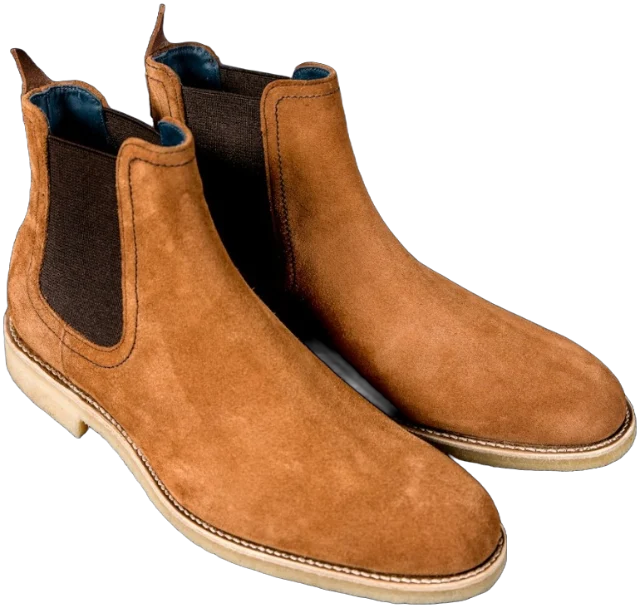
- Grey crew-neck jumper over an Oxford shirt, stone chinos, suede desert boots.
- Plain polo, navy tailored trousers and loafers for warm days.
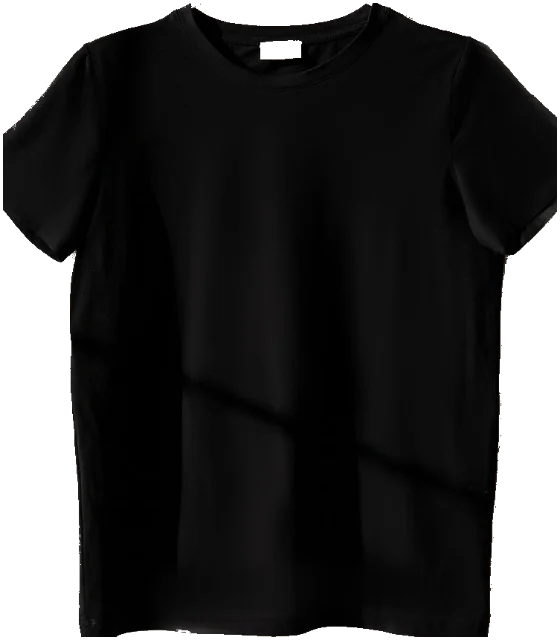
- Plain white T-shirt under an unstructured blazer, dark jeans and clean leather trainers, at the relaxed end.
If you’re unsure what to do with a jacket, our guide on how to style a blazer goes from smart to casual in a few easy swaps.
Smart casual for women
The womenswear formula: a shirt, blouse or fine knit with tailored trousers, a skirt or dark jeans, or a simple dress on its own. Add flats, loafers, ankle boots or low heels, and a jacket if the setting is smarter. As ever, wear whichever section of the shop suits you; these examples work across both.
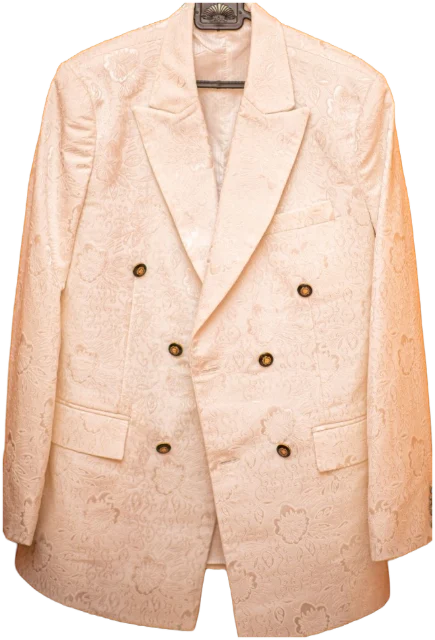
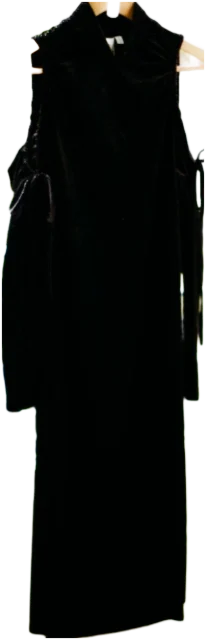
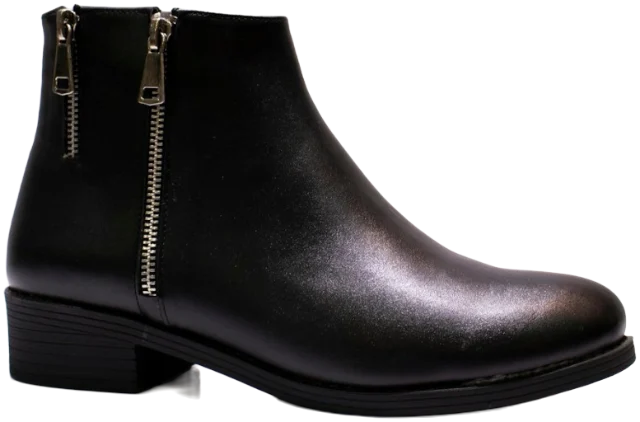
- Black midi dress under a cream blazer with ankle boots.
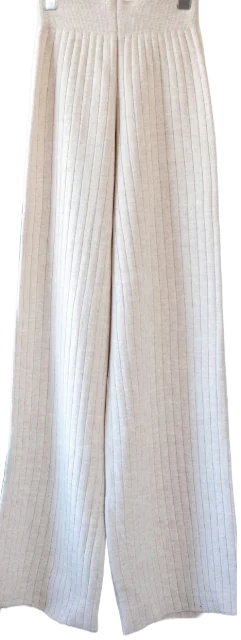
- Fluid blouse, wide-leg trousers and loafers.
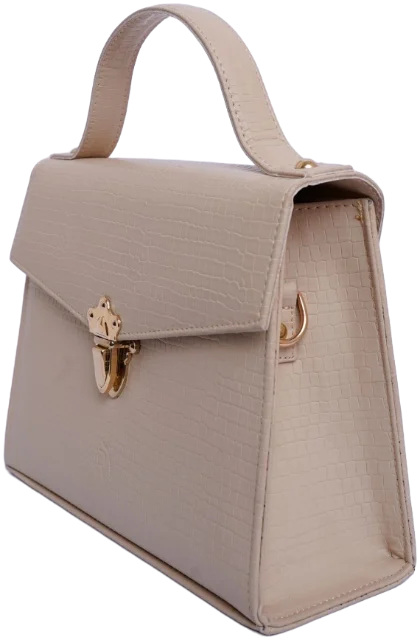
- Fine knit, dark straight jeans, ankle boots and a structured bag.
- Shirt dress with a belt and low heels or loafers.
In YouGov’s survey, dresses were among the safest choices of all: 89% said a sheath dress works and 86% a collared dress. A jumpsuit counted for 85%. Regular jeans were accepted by 65%, while ripped jeans managed just 8%.
Business casual and smart casual in UK workplaces
Office dress has relaxed a great deal. In a July 2026 YouGov poll, 68% of Britons said it’s acceptable for men to wear shorts in the office, up from 37% in 2016, and 69% said the same for women. Flip-flops are still a step too far: only 28% think they’re acceptable.
Relaxed doesn’t mean anything goes. The practical approach for most offices:
- Default to smart casual on ordinary days: knit or shirt, chinos or tailored trousers, clean shoes.
- Step up to business casual for clients, interviews and presentations by adding a blazer and swapping trainers for leather shoes.
- Keep a meeting layer at work, such as a blazer on the back of a chair and a pair of loafers under the desk.
If you’re in the office two or three days a week, a small, repeatable set of pieces makes this much easier; see our work capsule wardrobe.
Business casual outfits that work
Business casual is smart casual with the dial turned up: more structure, fewer jeans, a jacket within reach.
- Menswear: navy blazer, light blue shirt, grey tailored trousers and brown brogues; or a merino jumper over a collared shirt with chinos and loafers.
- Womenswear: a tailored day dress with a blazer and low heels; or a fine knit tucked into wide-leg trousers with loafers and a structured bag.
- Either: a trouser suit or matching separates worn with a knit instead of a shirt, which reads smart without feeling stiff.
What the law says about dress codes
UK employers can set dress codes, but they have to work within equality law. After a 2016 petition about being required to wear high heels at work gathered 152,420 signatures and was debated in Parliament in 2017, the government published guidance on dress codes and sex discrimination. It explains how the law may apply when employers require women to wear high heels, make-up, particular hairstyles or revealing clothing. If a dress code feels unfair, ask to see it in writing and raise it with HR.
Smart casual in winter and summer
The weather changes the details, not the rules. In winter, the coat does a lot of the work. Debrett’s suggests an overcoat rather than an anorak or parka for smarter smart casual, and a wool or camel coat over a knit makes even jeans look considered. At around 6°C, add a scarf and leather boots; below that, layer a thin knit under a shirt or a fine roll-neck under a blazer.
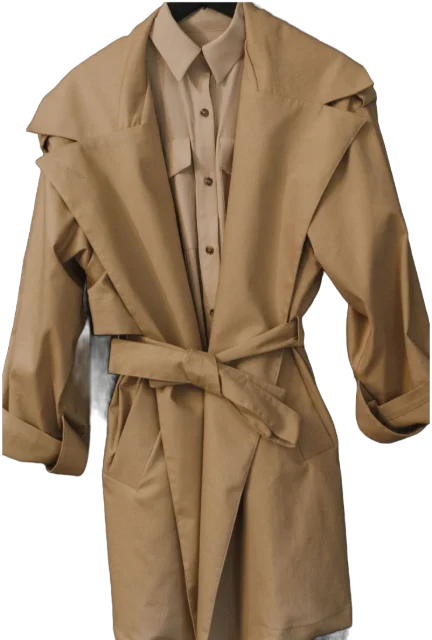
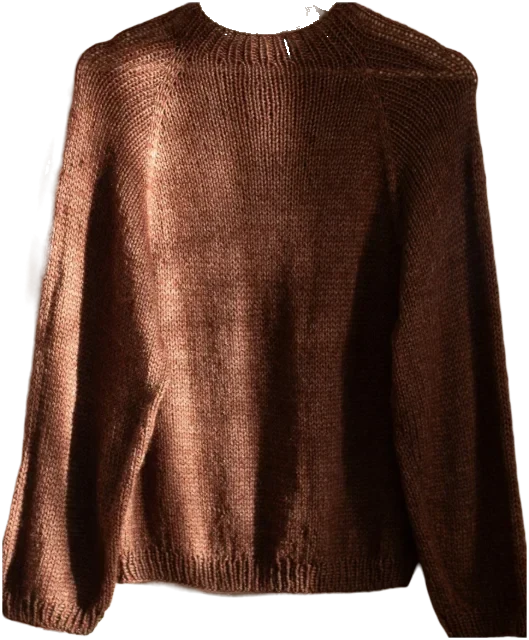
In summer, swap weight rather than formality. Linen and cotton shirts, short-sleeved knits, tailored shorts where they’re accepted, and loafers instead of boots. Above about 22°C, an unlined jacket is easier than a structured one. For more on dressing for the forecast, see what to wear by temperature.
Smart casual at events
Dinners and restaurants
Treat it like office smart casual with more personality: a patterned shirt, a richer colour, better shoes. Debrett’s points out that context matters, so an evening invitation in the city implies something smarter than a birthday in the country.
Parties and evenings
Go darker and add a little polish. For evening events, Debrett’s suggests a cocktail-style dress or evening trousers, statement jewellery and higher heels. In menswear, its smart casual advice includes a jacket with an open-necked silk or patterned shirt, which looks right after dark.
Weddings and first dates
Smart casual at a wedding sits at the smart end: think blazer, no jeans, nothing that looks like the office. Our guide to wedding guest dress codes covers it in detail. For dinner with someone new, see what to wear on a first date.
The grey areas: jeans, trainers, T-shirts and shorts
- Jeans: dark, clean and straight or slim, never ripped. Jeans that aren’t ripped or skinny were acceptable to 74% of Britons for men. Pair them with something unmistakably smart, like a blazer or leather shoes.
- Trainers: a true coin toss. If you wear them, choose plain leather in white or black, spotless, and keep the rest of the outfit sharp.
- T-shirts: plain, heavyweight and well fitted, ideally under a jacket or a knit. Printed T-shirts are a risk.
- Shorts: now acceptable office wear to most Britons, according to YouGov, especially tailored and knee-length in summer. At evening events, trousers are safer.
- Sandals: divisive. In YouGov’s 2026 poll, women were far more likely than men to say sandals are fine in the office, by 82% to 55%.
Colour helps too. Quiet neutrals with one accent read as polished even when the pieces are relaxed; our guide on matching colours in outfits explains why.
Questions
Is a suit smart casual?
Not quite. In a YouGov survey, 59% of Britons said a full suit and tie doesn’t count as smart casual for men. Wear the jacket with chinos or dark jeans instead, or the suit with a fine knit and no tie.
Do you need a tie for smart casual?
No. Debrett’s says ties are generally unnecessary for smart casual, and an open-necked collared shirt is the norm.
Are polo shirts smart casual?
Yes. In YouGov’s survey, 82% of Britons said a polo shirt can be part of a smart casual outfit for men. Choose a plain one in a good fabric and wear it with chinos or tailored trousers.
What should I wear to a smart casual interview?
Lean to the smarter end: a blazer, a shirt or fine knit, tailored trousers, a skirt or a simple dress, and leather shoes. If the company is very relaxed, drop the tie rather than the jacket.
Sources
- What counts as “smart casual” for men’s and women’s attire?, YouGov
- Is it acceptable to wear shorts at work?, YouGov
- Addressing the Dress Code, Debrett’s
- Deconstructing Dress Codes, Debrett’s
- Dress codes and sex discrimination: what you need to know, Government Equalities Office, GOV.UK
- Make it illegal for a company to require women to wear high heels at work, UK Parliament Petitions