What to wear by temperature: a degree-by-degree guide from 0° to 30°
The forecast says 12°. Is that a coat, a jacket or a jumper? Here’s a table for every temperature from freezing to a heatwave, and how to adjust it for British wind, rain and morning chill.
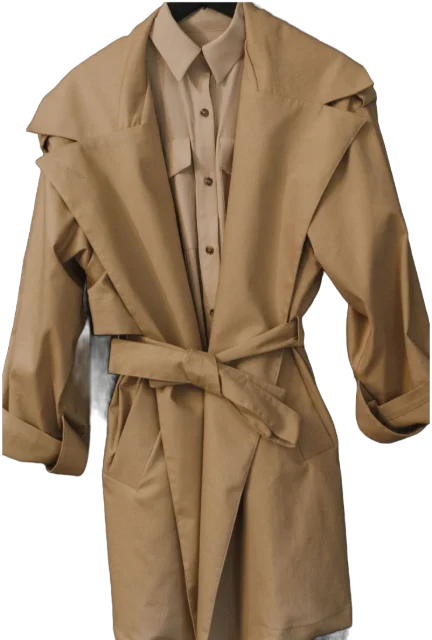
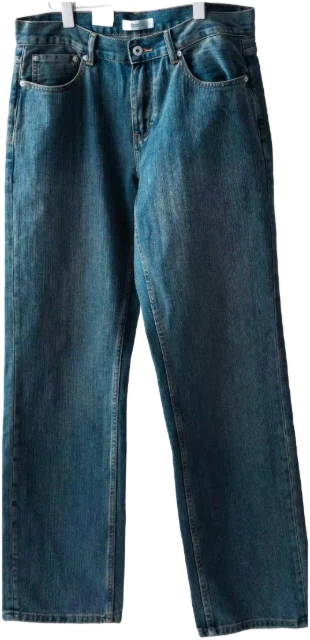
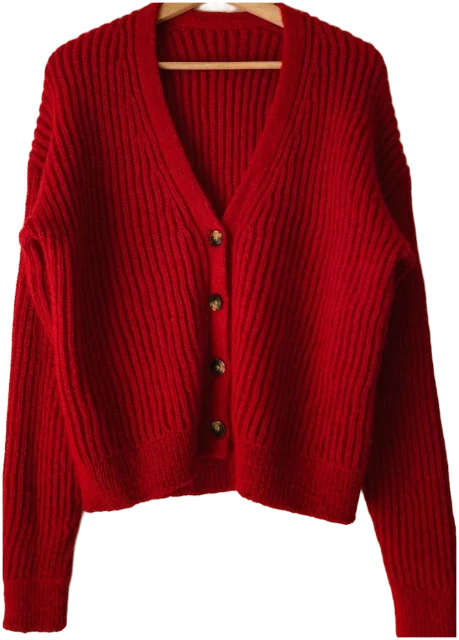
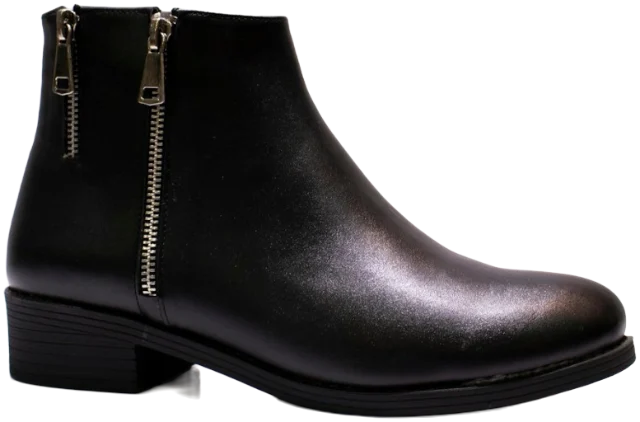
Here’s what to wear by temperature, in short. At 0–4°C, a warm coat over a jumper, plus a hat and gloves. At 5–10°C, a coat over a knit. At 11–15°C, a light jacket or trench. At 16–20°C, one layer with a jacket for later. Above 20°C, loose, light fabrics. Check the ‘feels like’ figure first.
Key takeaways
- Dress for the ‘feels like’ temperature, not the headline figure: a strong wind can make it feel several degrees colder.
- Below about 10°C most people want a proper coat; from about 14°C a light jacket, blazer or cardigan usually does.
- Several thin layers beat one thick one, and let you adjust as the day warms up and cools down.
- An average UK October day climbs from about 6°C overnight to about 13°C, so dress for the coldest hour you’ll spend outside.
- Above 20°C, wear loose, light fabrics and protect yourself from the sun, even when it’s cloudy.
What to wear from 0° to 30°: the table
Find the temperature you’ll actually be outside in (more on that below), then read across. “Layers” counts what’s on your top half, coat included.
| Temperature | Layers | What to wear | Coat or jacket | Shoes and extras |
|---|---|---|---|---|
| 0° and below | 3–4 | Thermal or long-sleeved base layer, thick wool jumper, lined or wool trousers, or thick tights under a skirt | Padded or heavy wool coat, hip length or longer | Boots with grip, wool socks, hat, gloves, scarf |
| 1–4° | 3 | Long-sleeved top, warm jumper, jeans or wool trousers | Wool or padded coat | Boots, scarf, gloves |
| 5–7° | 3 | T-shirt or shirt, jumper or cardigan, jeans or trousers | Wool coat or a lined trench | Boots or leather shoes, scarf |
| 8–10° | 2–3 | T-shirt with a knit, or a shirt with a jumper | Trench, light wool coat or a warm jacket | Boots, loafers or trainers; scarf optional |
| 11–13° | 2–3 | Long-sleeved top or shirt, plus a light knit if it’s breezy | Trench, denim or leather jacket, heavy overshirt | Trainers, loafers, boots |
| 14–16° | 2 | T-shirt, shirt or a light knit | Blazer, cardigan, overshirt or light jacket | Trainers, loafers |
| 17–19° | 1–2 | T-shirt, shirt, light knit or a dress | A light layer to carry for the evening | Trainers, loafers, sunglasses |
| 20–22° | 1 | Short sleeves or a dress; light trousers, skirts or shorts | Usually none; a cardigan after dark | Trainers or sandals, sunglasses |
| 23–25° | 1 | Light cotton or linen in loose cuts | None | Sandals or breathable trainers, sunglasses, sunscreen |
| 26–28° | 1 | Linen, loose dresses, shorts, pale colours | None | Sandals, a hat, sunglasses, sunscreen |
| 29° and above | 1 | As little and as loose as your day allows | None | Hat, sunglasses, sunscreen, water |
Everyone runs a bit warmer or colder, so treat this as a starting point. If you’re always the one asking for the heating on, read one row colder.
Why the ‘feels like’ temperature matters more
The number in big type on a forecast is the air temperature. Your body also feels wind, humidity and sunshine, which is why the Met Office publishes a ‘feels like’ figure next to it. As its explainer on the difference puts it, 10°C on a calm day may feel close to 10°C, but add a strong wind and it can feel several degrees colder.
Wind is the big one in Britain. On a still day your body warms a thin layer of air next to your skin; wind strips it away. In the UK, the Met Office’s wind chill calculation is based on how much heat a bare face loses at a walking pace of 3mph, which is close to what you feel on the way to the station.
Use these rules of thumb with the table:
- Windy: read one or two rows colder, and make your outer layer windproof. A thin coat that blocks wind beats a thick knit that doesn’t.
- Raining: read a row colder and add something waterproof. Our guide to what to wear in the rain covers coats, shoes and fabrics.
- Humid: read a row warmer. The Met Office notes that 24°C with high humidity can feel much warmer than the same temperature in dry air, because sweat evaporates more slowly.
- Bright spring sun: don’t be fooled. The sun warms your face while the air stays cool, so a sunny 12° still needs a jacket in the shade.
How to layer clothes for the weather
Layering isn’t just for walkers. Age UK’s winter advice is that lots of layers, rather than one thick piece of clothing, are a good way to keep warm, and that base layers such as thermal vests or long-sleeved tops help trap heat. Layers also solve the British problem of a day that changes its mind.
- Base layer: a T-shirt, a long-sleeved top or a thermal, in cotton when it’s mild and merino or a thermal fabric when it’s cold.
- Mid layer: the warmth. A jumper, cardigan, overshirt, fleece or blazer.
- Outer layer: the protection. A coat, trench or jacket that blocks wind and, ideally, sheds rain.
Go from thin to thick, and make each layer a little looser than the one under it, so nothing bunches and air can be trapped between them. Sleeves matter: a short-sleeved knit under a coat leaves a cold gap at the wrist.
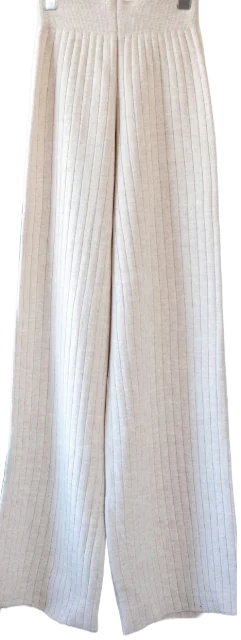
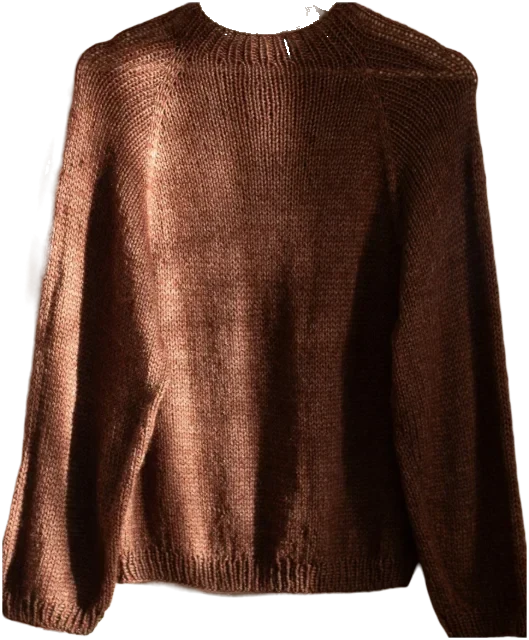
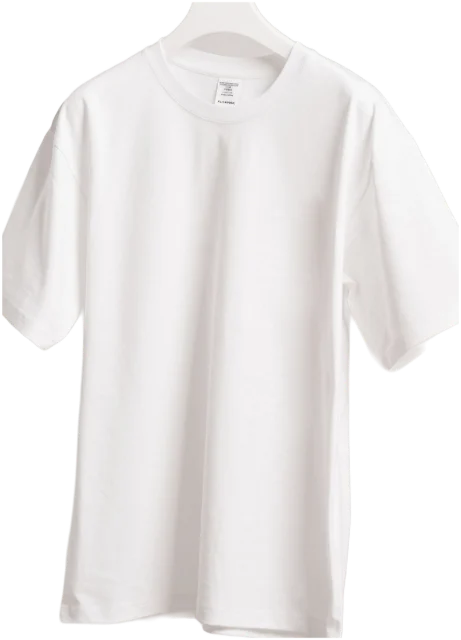
Dress for the whole day, not the afternoon high
Forecast apps lead with the day’s maximum, but that’s usually mid-afternoon. Across the UK, Met Office records for 1991–2020 put the average October day at about 13°C at its warmest and about 6°C at its coldest. In January the average runs from about 1°C to 7°C; in July, from about 11°C to 20°C.
That gap of six or seven degrees is two rows of the table. A “15° day” can be 9° when you leave at half seven and 10° when you head home. So:
- Check the hourly forecast for the times you’ll actually be outdoors.
- Dress for the coldest of those hours, then make sure the top layer comes off easily.
- Remember the inside temperature. Offices, trains and shops are heated, so a thick jumper you can’t remove will roast you by 11am. A thinner knit under a warmer coat is easier to manage.
If you plan your week’s outfits on a Sunday, look at the forecast while you do it. Our guide to planning outfits for the week shows how to build in a swap for the day the weather turns.
What to wear in 5, 10, 15, 20 and 25 degrees
What to wear in 0 to 5 degrees
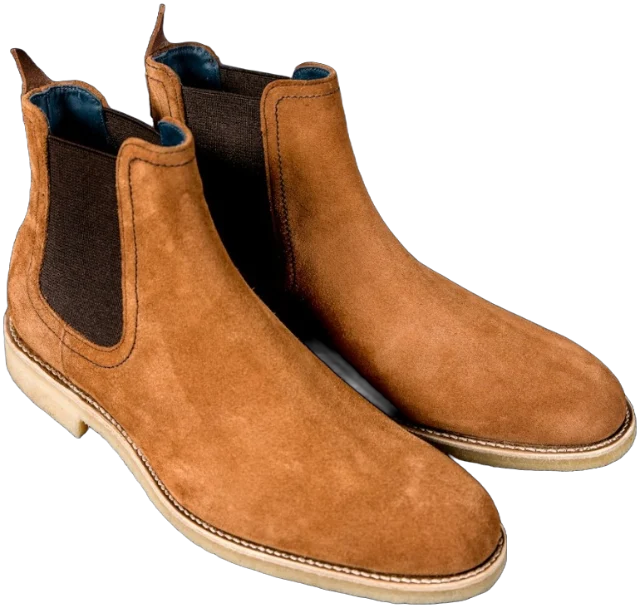
This is proper coat weather. Wear a long-sleeved base layer, a wool jumper and jeans or wool trousers, with a coat that covers your hips. Thick tights under a skirt or dress work too; wool socks and boots with a grippy sole matter more than you think on frosty pavements. Hat, gloves and scarf, because your hands and neck are the first to complain.
What to wear in 10 degrees
Ten degrees is the classic British in-between. A T-shirt under a jumper with a trench or light wool coat is the safe formula; a shirt under a knit, with a warm jacket, works for the office. If it’s calm and sunny you may carry the coat by lunchtime, but take it: a breeze can make 10° feel several degrees colder, and it drops after dark.
Run cold? Add a scarf before you add bulk; it’s the cheapest way to move up a row. Run hot, or walking fast? Swap the jumper for a long-sleeved top and keep the coat, so you’re covered against the wind without overheating.
What to wear in 15 degrees
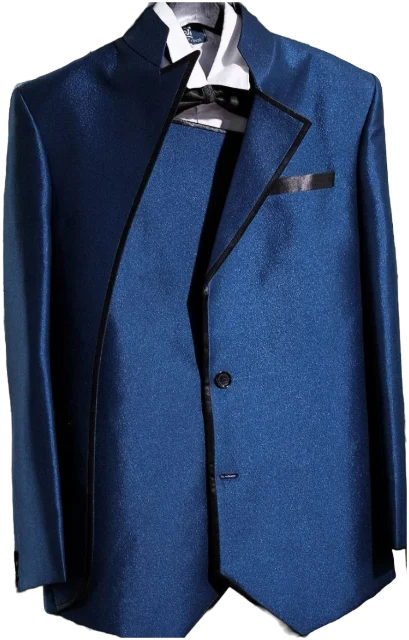
At 15° you can usually drop the coat. A long-sleeved top or shirt with a light layer, such as a blazer, cardigan, denim jacket or overshirt, is enough for most people. Jeans, chinos, a midi skirt with bare legs on a sunny day, and trainers or loafers all work.
What to wear in 20 degrees
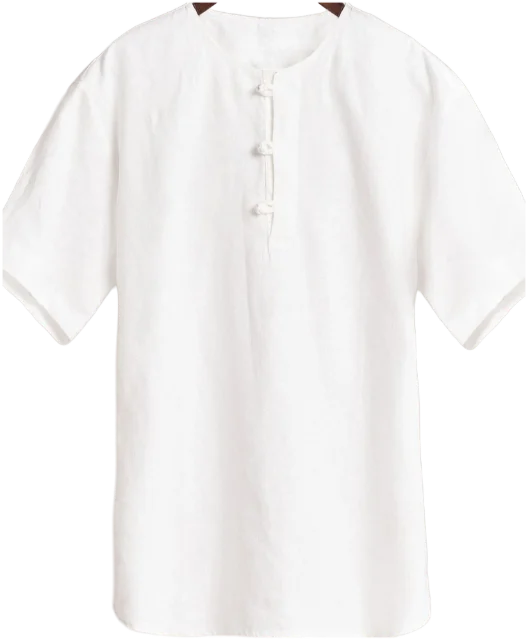
Twenty degrees is T-shirt weather in the sun and cardigan weather in the shade. Wear one layer, such as a T-shirt, a short-sleeved shirt or a dress, and carry something light for the evening. Shorts are fine for many people; light trousers are the safer bet if you’ll be out early or late.
What to wear in 25 degrees and above
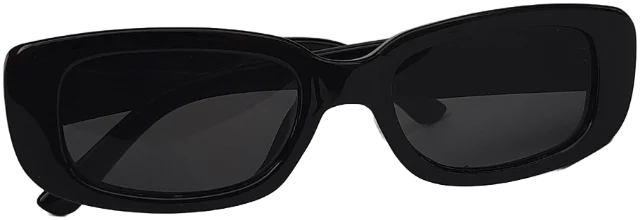
Choose loose shapes in breathable fabrics such as linen and cotton, and paler colours. The NHS advice for hot weather is sunscreen, a hat and light clothes. Its sun safety guidance adds that in the UK the sun is strongest between 11am and 3pm from March to October, that you can burn even when it’s cloudy, and that sunglasses should carry the CE mark and British Standard mark 12312-1:2013 E.
A wardrobe that covers every temperature
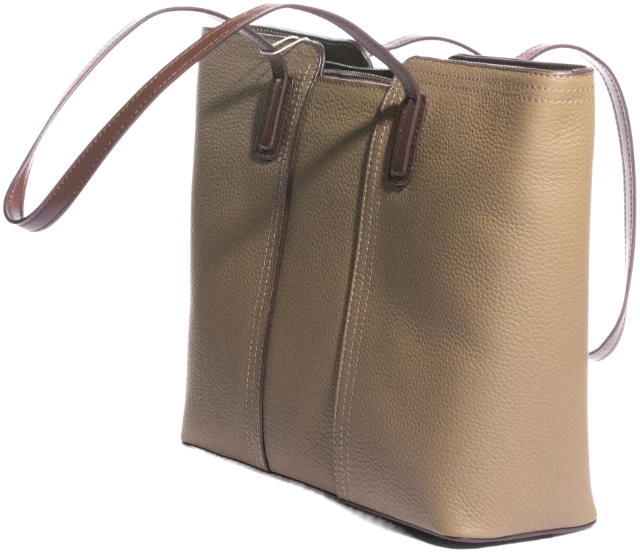
If your wardrobe is full but you still end up freezing or sweating, you probably have plenty of pieces for the extremes and too few for the in-between. That’s a classic cause of a full rail that feels like nothing to wear. Most UK days are covered by:
- One warm coat and one lighter one, such as a trench or a jacket
- Two or three jumpers in different weights
- A cardigan, overshirt or blazer for the in-between days
- Long-sleeved tops and T-shirts that layer under all of the above
- Something waterproof, even if it’s a packable shell
For the cold end, our winter capsule wardrobe lists the pieces that earn their place. Packing for a trip? Check the forecast against the table above and pack for the bottom row you’ll meet, then use our travel capsule wardrobe to keep it to one bag.
Questions
Is 10 degrees cold?
For most people 10°C feels cool rather than cold, but wind or rain can make it feel several degrees colder. Most people want a coat or a warm jacket over a jumper at 10°C, especially in the morning and evening.
Is 20 degrees warm enough for shorts?
For many people, yes, especially in the sun. In the UK a 20°C afternoon often starts and ends much cooler, so if you’ll be out early or late, take a layer or choose light trousers instead.
Do you need a coat at 15 degrees?
Usually not a heavy one. A light jacket, trench, blazer or cardigan over a long-sleeved top is enough for most people at 15°C, unless it’s windy or wet.
What fabrics keep you warmest?
Wool, including merino, and fleecy synthetics are warm for their weight. Several layers keep you warmer than one thick piece, and a windproof outer layer stops the wind stripping the warmth away.
Sources
- Temperature versus ‘feels like’: why they are not always the same, Met Office
- Wind chill factor, Met Office
- UK mean daily maximum temperature, HadUK-Grid areal series, Met Office National Climate Information Centre
- UK mean daily minimum temperature, HadUK-Grid areal series, Met Office National Climate Information Centre
- 6 cost-effective ways to keep warm this winter, Age UK South Gloucestershire
- Sunscreen and sun safety, NHS
- Heatwave: how to cope in hot weather, NHS