How to plan outfits for the week in 20 minutes
Twenty minutes on a Sunday can take the guesswork out of five mornings. Here’s a method that copes with changing plans, the laundry and British weather.
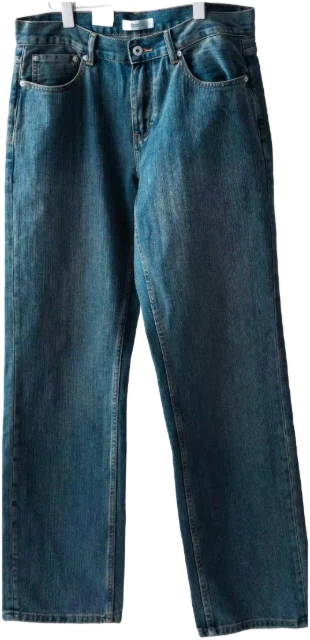
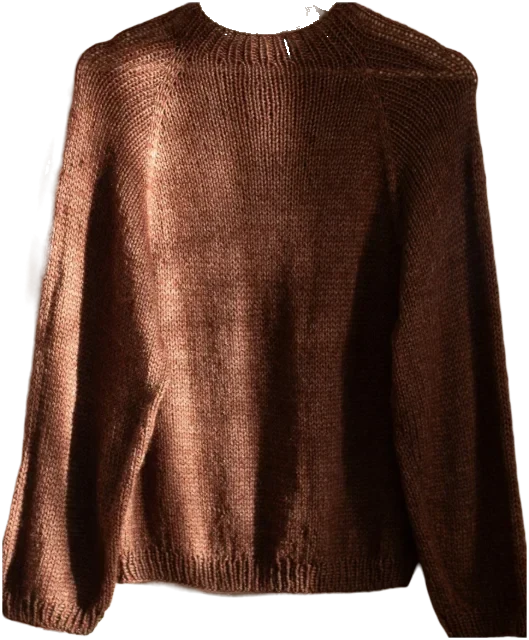
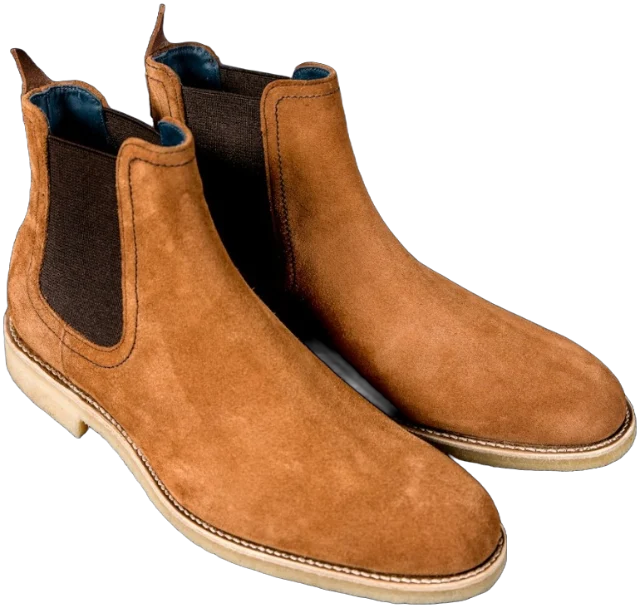
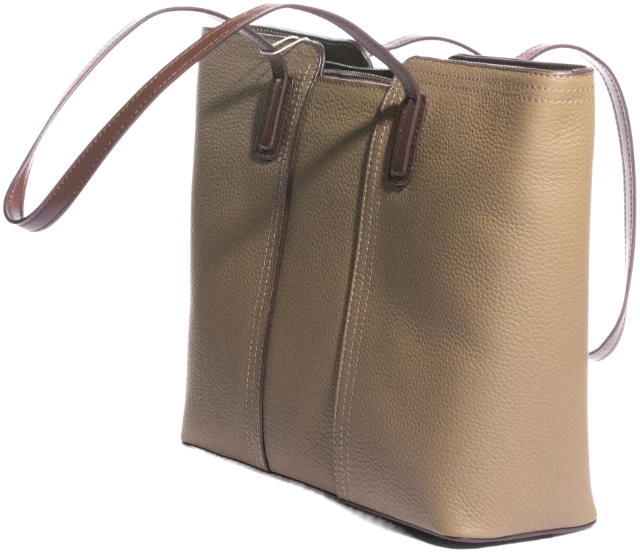
Here’s how to plan outfits for the week: set aside 20 minutes on Sunday, list each day’s plans, check the forecast and choose two or three anchor pieces. Build one outfit per day around them, with a backup for rain. Hang the outfits in order, then check the forecast again each evening and swap if it’s changed.
Key takeaways
- Spend 20 minutes on Sunday: diary, forecast, laundry, anchor pieces, outfits, then backups.
- Build the most important day first, and give each risky day one if–then swap rather than a second outfit.
- Forecasts lose precision with time, so plan from Sunday’s forecast and check again each evening.
- Repeat anchor pieces on non-consecutive days and change the top half to make each outfit different.
- Treat the plan as a default: swap days around rather than starting from scratch.
It sounds like a lot of admin for something you could do in the morning. It isn’t. It moves the decisions to a calm moment with the whole wardrobe in view, instead of 7.30am with one sock on.
Why plan your outfits for the week?
Planning won’t make you more stylish on its own, but it changes the conditions you choose in. On Sunday you can see everything, you have time to try things on, and you know what the week holds. On a weekday morning you have none of those.
- Fewer morning decisions. The outfit is already chosen; you just put it on.
- Better outfits. You can test a combination you’ve never worn without the risk of being late.
- No laundry surprises. You find out on Sunday, not Thursday, that your only clean trousers need ironing.
- More of your wardrobe gets worn. Planning is a chance to rotate in pieces that usually sit at the back. If your rail feels full but useless, start with why a full wardrobe can leave you with nothing to wear.
There’s research behind writing backups as if–then rules. A large review of studies on plans in the form “if this happens, I’ll do that” found that people who make them are more likely to reach their goals than people who only set the goal (Gollwitzer and Sheeran, 2006). For outfits, that means deciding now: if it rains on Wednesday, the leather boots, not the suede.
How to plan outfits for the week, step by step
Give yourself 20 minutes, ideally on Sunday afternoon, when the week’s forecast is out and the washing is done or nearly done.
1. Write down the week
List each day and what it asks of you: office or home, meetings, a commute on foot or by bike, the gym, a dinner, the school run. More than a quarter of working adults in Great Britain (28%) were hybrid working in autumn 2024, according to the Office for National Statistics, so for many people the week splits into two kinds of day. Plan office days carefully and keep home days simple.
2. Check the forecast, then check it again
Note the high, the low and the chance of rain for each day. Forecasts are good but less precise further out: in the Met Office’s checks of summer 2025, maximum temperature forecasts were within 2°C of the real reading 93% of the time a day ahead, and 73% of the time five days ahead (Met Office). Plan from Sunday’s forecast, then look again each evening.
3. Check the laundry
Note what’s clean, what needs washing, and what needs ironing or steaming. If you do a wash midweek, pieces worn on Monday can come back on Thursday or Friday.
4. Choose two or three anchor pieces
Anchors are the pieces you’ll wear more than once this week: dark jeans, trousers that go with everything, a blazer, a coat, your most comfortable boots. Choosing them first means the week is built from parts that already work together.
5. Build the hardest day first
Start with the day that matters most, such as a presentation, an interview or a dinner, then fill in the easier days around it. If you always start with Monday, you can use your best piece before the day that needs it.
6. Write one backup for each risky day
Any day with a doubtful forecast or a plan that might change gets one swap, not a second outfit. Suede boots become leather ones, the blazer becomes a trench, the dress gets tights and a knit.
7. Put it where you’ll see it
Hang each outfit together in day order, with accessories in a bag on the hanger, or photograph the outfits and keep them in one album. Either way, the morning job is just picking up the next hanger.
A sample week of outfits for October
Across the UK, October days average a high of about 13°C and a low of about 6°C, based on the Met Office’s 1991–2020 figures in its UK climate series. That means cold mornings, mild afternoons and showers. Here’s how a plan might look with an example forecast. Notice how much repeats: the trench, jeans, cream trousers, loafers, ankle boots and red cardigan each work on more than one day.
| Day | Plans | Forecast | Outfit | Backup |
|---|---|---|---|---|
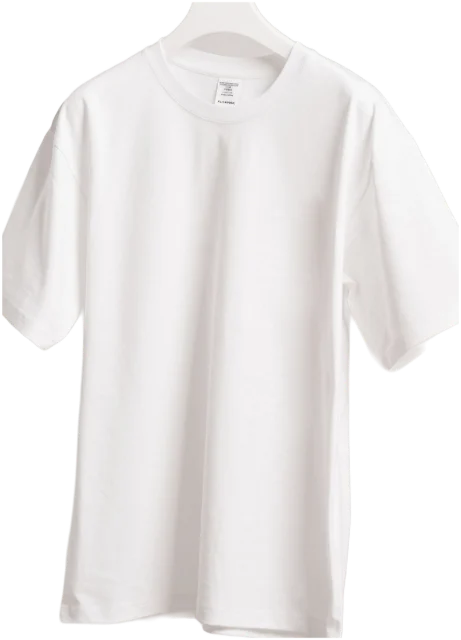
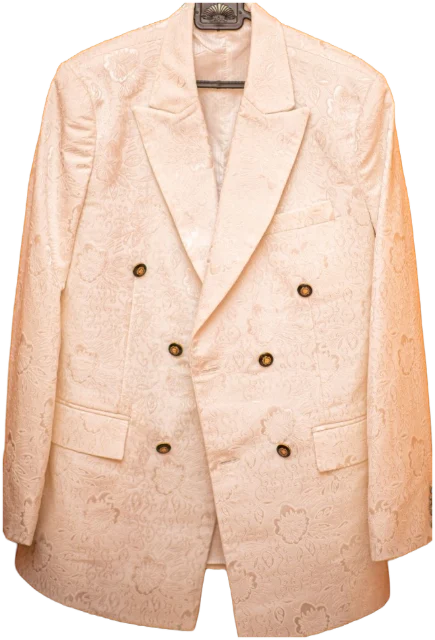
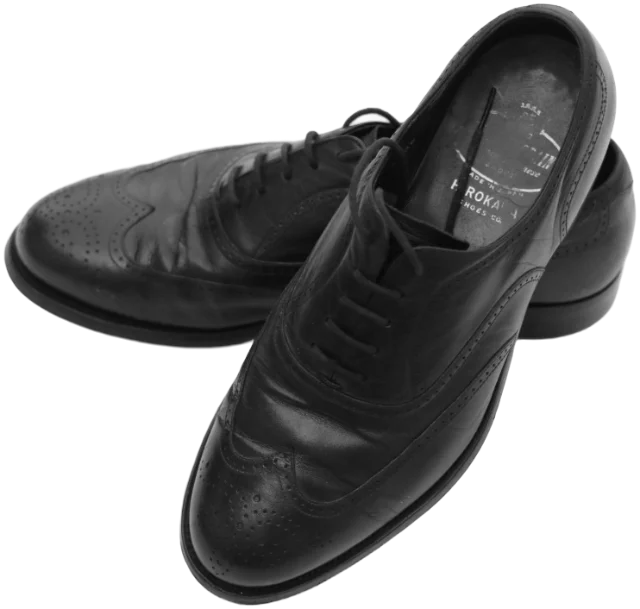
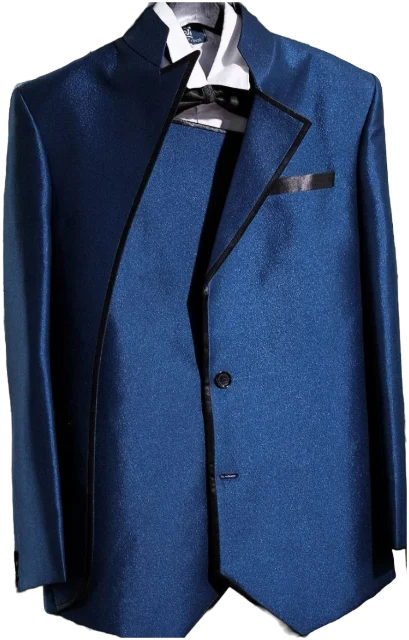
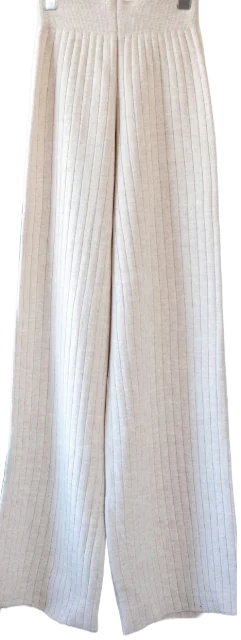
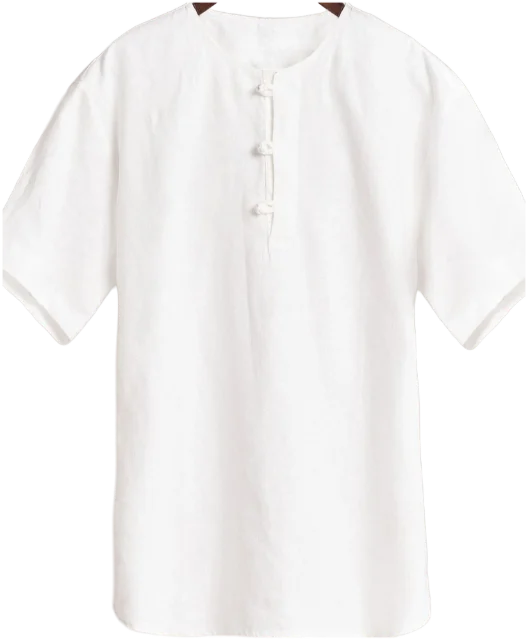
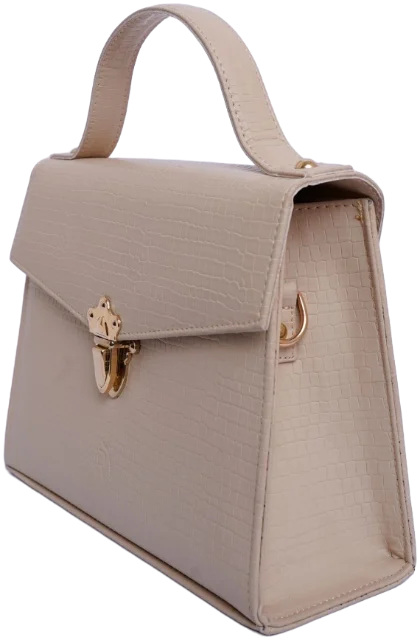
| Monday | Office, client meeting | 12°C, dry | Navy blazer, white shirt, cream wide-leg trousers, brown loafers, beige bag | Dark jeans if the meeting is cancelled |
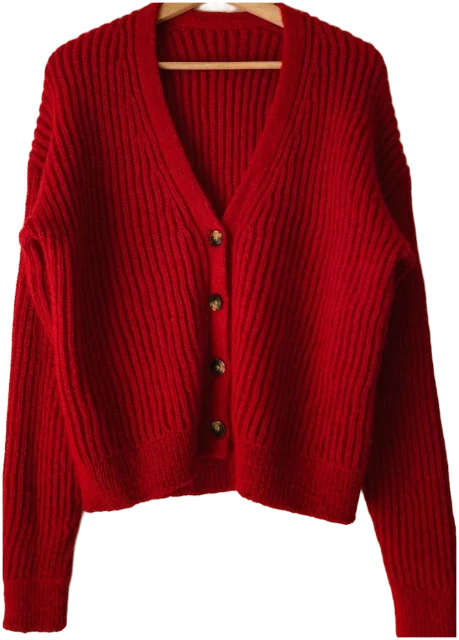
| Tuesday | Home, video calls | 14°C, sunny spells | Oatmeal knit top, red cardigan, dark jeans, brown loafers | None needed |
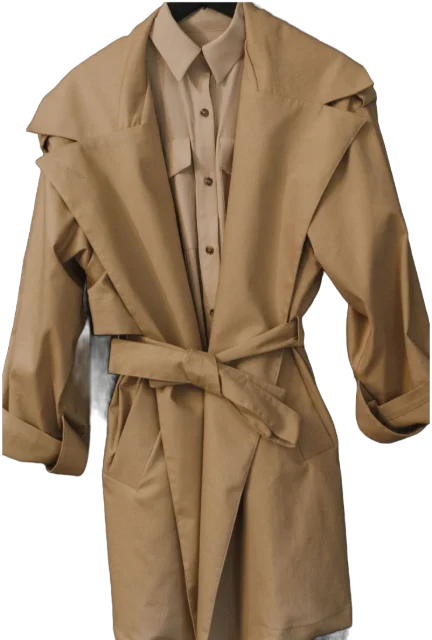
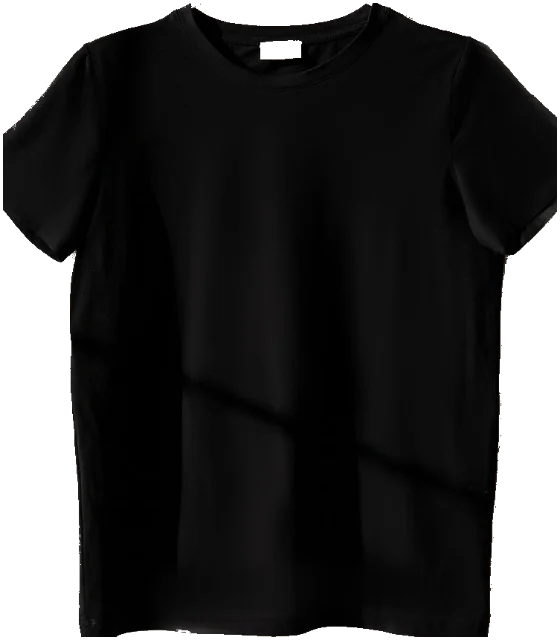
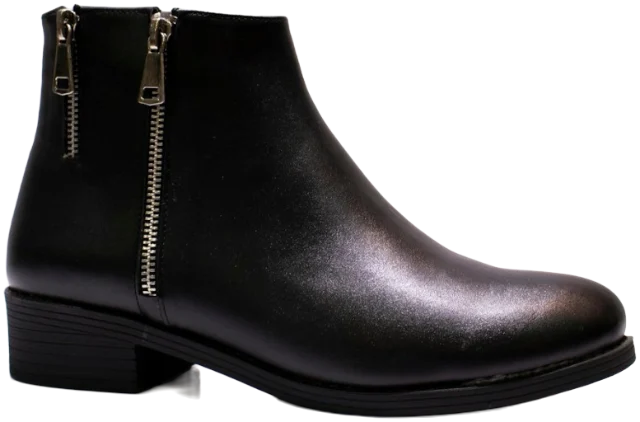
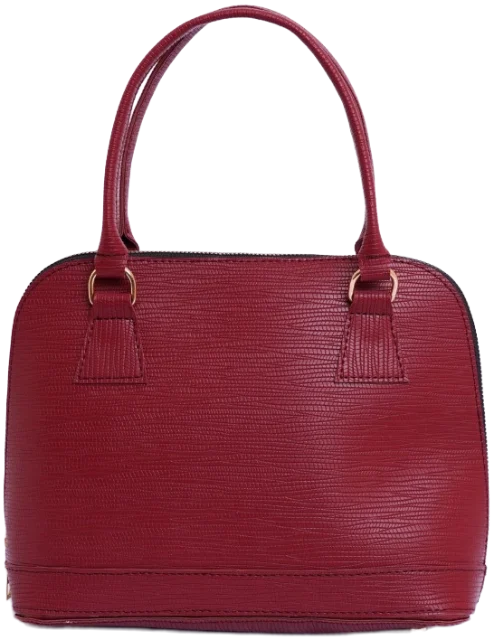
| Wednesday | Office, walk to the station | 13°C, showers | Camel trench, black tee, dark jeans, black leather ankle boots, burgundy bag | Heavy rain: a hooded waterproof over the same outfit |
| Thursday | Office | 11°C, cloudy | Camel trench, chocolate jumper over a white tee, cream trousers, tan suede Chelsea boots, taupe tote | If it rains, ankle boots instead of suede |
| Friday | Home, then dinner | 9°C by evening | Black midi dress, red cardigan, ankle boots, burgundy bag | Tights, and the trench for the walk home |

Plan for British weather, not a perfect forecast
A 7°C morning and a 13°C afternoon need different clothes, so plan each outfit in layers rather than for one fixed temperature.
- Base: the outfit you’d wear indoors all day, such as a tee and jeans, a shirt and trousers, or a dress.
- Mid layer: a knit or cardigan you can take off without spoiling the look.
- Outer layer: a coat that copes with wind and showers. A trench or mac covers most of a British autumn.
Check your shoes against the rain forecast, because they’re the hardest thing to change once you’re out. Suede and canvas suit dry days; leather and rubber soles suit wet ones. For degree-by-degree advice see what to wear by temperature, and for wet weeks, what to wear in the rain.
Repeats, anchor pieces and laundry
A good weekly plan repeats things on purpose. Wearing the same trousers twice with different tops isn’t a failure of imagination; it’s how a wardrobe is meant to work.
- Space out repeats. Wear an anchor on non-consecutive days, so it can air between wears and the two outfits feel different.
- Repeat the bottom half. Trousers, jeans and shoes are the easiest pieces to rewear. Change the top and the layer over it and you have a new outfit.
- Plan around wash day. If you wash on Wednesday, save the pieces you’ll want again for the end of the week.
- Repeat whole outfits too. If Monday’s outfit was great, it can come back next Monday. Here’s why outfit repeating is a good habit, and how tracking what you wear helps.
If you dress for an office most days, a small set of interchangeable pieces makes planning almost automatic. Our work capsule wardrobe guide shows how to build one.
Keep the plan flexible
A plan is a default, not a contract. The point is that you never start from zero, not that you must wear Thursday’s outfit on Thursday.
- Swap days, don’t start again. If Wednesday’s outfit feels wrong, wear Friday’s and move Wednesday’s along.
- Plan three, freestyle two. If a full week feels rigid, plan the days that matter and leave the home days open.
- Keep a wildcard. One outfit you love that works almost anywhere is the answer when plans change at the last minute.
- Use formulas for the gaps. A few reliable outfit formulas make the unplanned days quick too.
Paper, notes or an app?
Any system works if you’ll use it. A paper list on the inside of the wardrobe door is the quickest. A notes app or a shared album of outfit photos goes everywhere with you, so you can check the plan on the way home and see what needs washing. A calendar works too: add the outfit to each day’s first appointment.
Whichever you choose, keep a short record of what you actually wore. After a month you’ll see which planned outfits you swapped out, and why, which tells you more about your wardrobe than any list of essentials.
Questions
Should I plan my outfit the night before or for the whole week?
Both help. A weekly plan saves the most decisions and shows up laundry problems early, while a night-before check lets you match the latest forecast. Planning on Sunday and checking each evening gives you both.
How many outfits do I need for a work week?
Five, but they can come from surprisingly few clothes. Three tops, two pairs of trousers and a dress already make seven different combinations, and a knit and two pairs of shoes multiply those further.
What if I don’t feel like wearing the outfit I planned?
Swap it with another day’s outfit or change one piece rather than starting again. A plan is a starting point, and you’ll still have saved most of the decision.
Is it worth planning outfits if I work from home?
Yes. It stops home days drifting into whatever is nearest. Plan something comfortable that you’re happy to be seen in on a video call, and keep one smarter layer, such as a shirt or knit, within reach.
Sources
- Who are the hybrid workers?, Office for National Statistics
- How accurate was the Met Office’s summer forecasting?, Met Office
- UK and regional series (HadUK-Grid monthly maximum and minimum temperature), Met Office
- Implementation intentions and goal achievement: a meta-analysis of effects and processes, Advances in Experimental Social Psychology (Gollwitzer and Sheeran, 2006)