What to wear in the rain, from drizzle to a proper downpour
Britain gets rain on more days than you’d like to count, so a wet morning shouldn’t ruin your outfit. Here’s how to stay dry, warm and put-together, whatever the sky is doing.
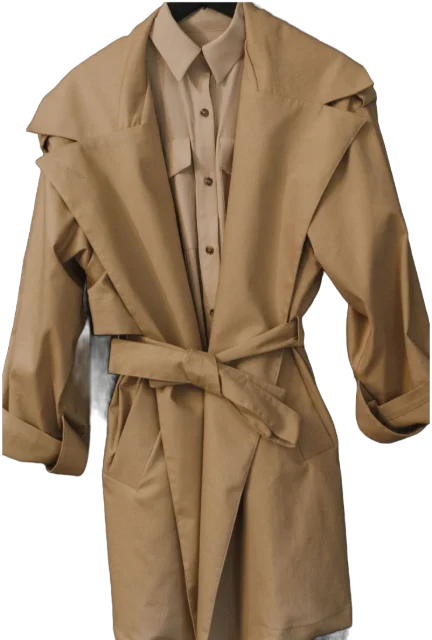
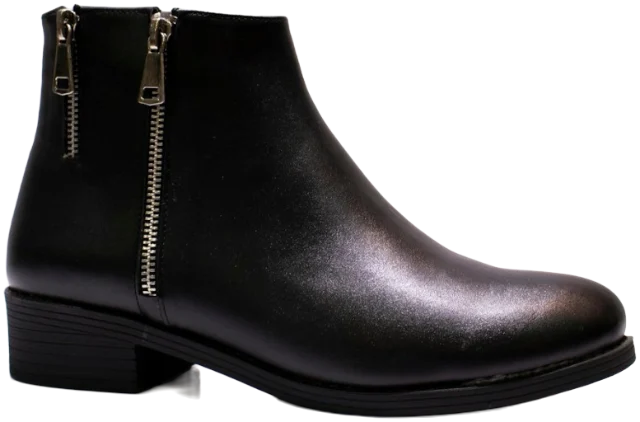
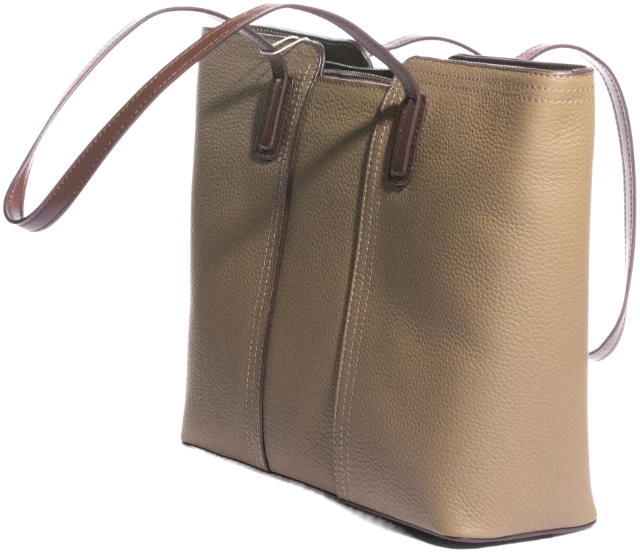
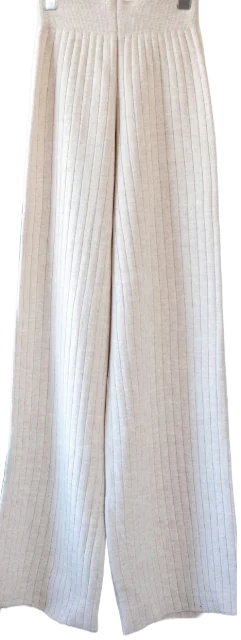
What to wear in the rain comes down to three things: a waterproof or water-resistant coat with a hood, shoes with rubber soles that won’t soak through, and fabrics that cope with damp, such as wool, synthetics and treated leather. Keep hems clear of puddles, and leave suede and silk at home.
Key takeaways
- Match the coat to the rain: water-resistant copes with drizzle and showers, a day of steady rain needs waterproof fabric and sealed seams.
- Shoes matter most. Polished leather or rubber with grippy rubber soles; never untreated suede or canvas.
- Wool stays warmer when damp than cotton, which soaks up water and stays cold.
- Keep hems off the pavement: cropped trousers, boots or a midi skirt stay drier than long wide legs.
- In a strong breeze, an umbrella is more trouble than it’s worth; a hood with a peak is better.
First, what kind of rain is it?
If you live in Britain, you need a rain plan. Across the UK, Met Office records for 1991–2020 show an average of about 159 days a year with at least 1mm of rain, and around 15 or 16 in each month from October to January. Not all of it is the same rain, though, and the right outfit depends on which kind is forecast.
The Met Office defines drizzle as droplets less than 0.5mm across, falling from low, grey stratus cloud. Showers are short-lived, patchy and variable, from heaped cumulus clouds, while rain from weather fronts is widespread and persistent, and can last for hours or a whole day. Here’s how to dress for each.
| Forecast | What it’s like | Coat | Shoes | Umbrella? |
|---|---|---|---|---|
| Drizzle | Fine, misty, can go on for hours | Water-resistant: a trench, a treated jacket, anything with a hood | Leather, treated suede, most trainers | Optional; a hood or cap is easier |
| Showers | Short, sometimes heavy bursts with dry gaps | A water-resistant coat, or a packable waterproof in your bag | Leather or anything with rubber soles | Yes, a compact one |
| Rain | Widespread and steady, often all day | Fully waterproof with sealed seams and a hood | Waterproof boots, or polished leather with rubber soles | Yes, if it isn’t windy |
| Wind and rain | Rain coming at you sideways | Waterproof, hip length or longer, with a peaked hood | Waterproof boots | No; use the hood |
How to choose a raincoat that keeps you dry
The single most useful rainy-day purchase is a coat that does the job. Start with the label.
Water-resistant or waterproof?
Water-resistant (sometimes “shower-proof”) fabric sheds light rain for a while, then lets it through. Most trench coats, treated cotton jackets and wool coats fall into this group, which makes them perfect for drizzle and short showers. Waterproof fabric keeps out sustained rain, but only if the seams are sealed or taped too, otherwise water gets in through the stitching.
What the number means
Waterproof clothing often lists a hydrostatic head in millimetres. As the outdoor magazine Advnture explains, it’s the height of a column of water the fabric holds back before it leaks, so a higher figure is more waterproof, though often less breathable. There’s no single threshold for “waterproof”: the standards it lists range from 800mm to 4,000mm, depending on whose standard you use. So compare figures between coats, and don’t rely on the word alone.
Details that keep you dry
- A hood with a stiffened peak, so rain drips in front of your face, not down it.
- Length. A short jacket sends water straight onto your thighs. Hip length or longer keeps trousers drier.
- Adjustable cuffs and a storm flap over the zip.
- Breathable fabric if you walk or cycle to work, or you’ll arrive damp from the inside.
- Room underneath for a jumper, since cold rain needs layers.
Spread over the rainy months of a British year, a good raincoat is one of the best cost-per-wear buys you can make.
The best shoes for rain
Wet feet ruin a day faster than wet hair. Work from this list:
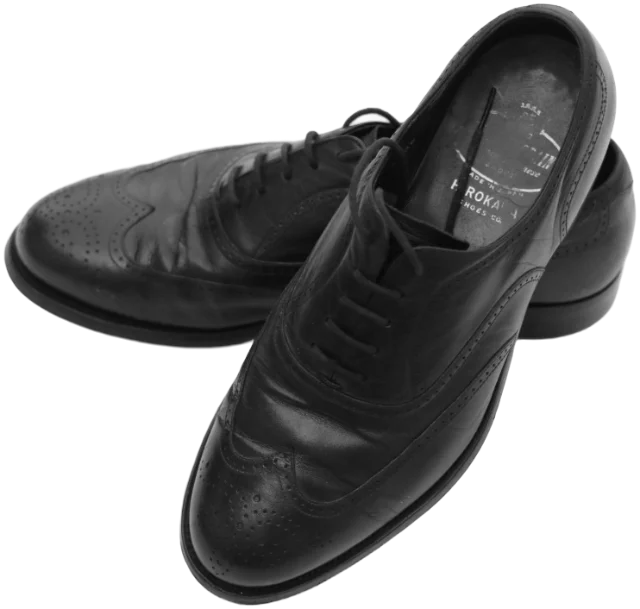
- Best: polished leather boots or shoes with rubber soles; rubber Chelsea boots or wellies for heavy rain; trainers with a waterproof lining.
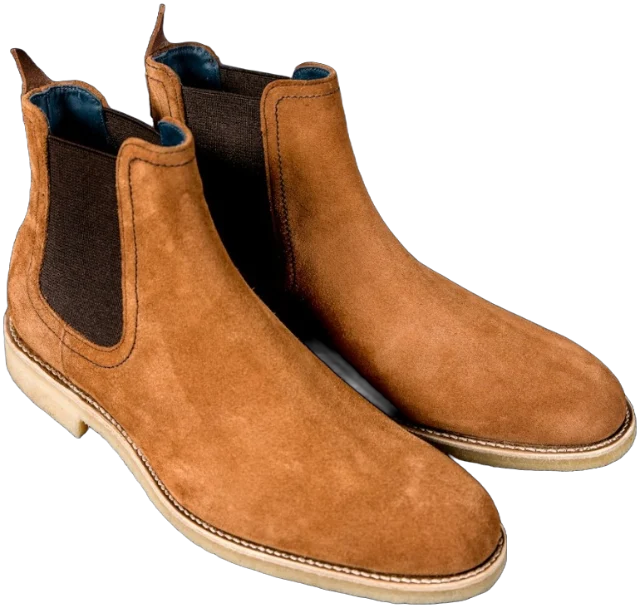
- Fine with care: suede treated with a protector spray, in drizzle only. Leather-soled shoes, which slip on wet pavements and soak through; a cobbler can add a thin rubber sole.
- Avoid: canvas and mesh trainers, ballet flats, untreated suede, and anything satin or fabric.
Wool socks help too. If your shoes do get soaked, stuff them with newspaper and let them dry slowly at room temperature. Putting leather on a radiator dries it too fast and can leave it stiff and cracked.
What not to wear in the rain: fabrics and hems
Some fabrics cope with water; others punish you for the rest of the day.
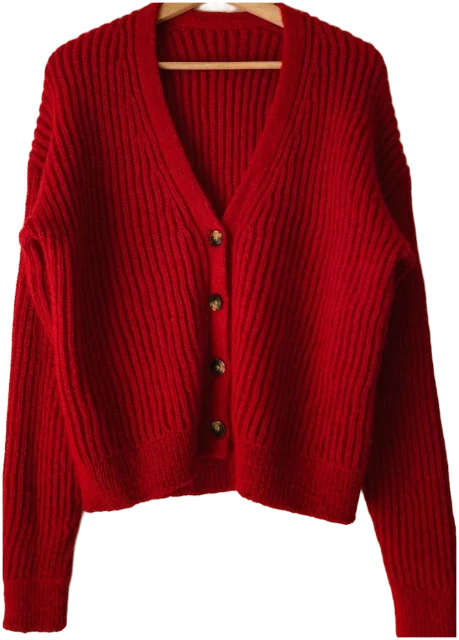
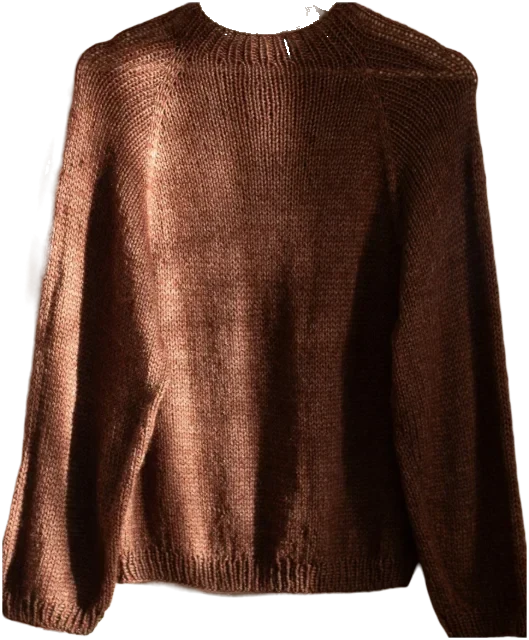
- Wool is your friend. According to The Woolmark Company, wool can absorb up to 35% of its weight before it feels wet, and releases heat as it absorbs moisture, keeping you warmer in cold, damp weather. A merino knit under your coat is the best rainy-day mid layer there is.
- Synthetics dry fast. Nylon and polyester shells, trousers and linings shrug off a soaking.
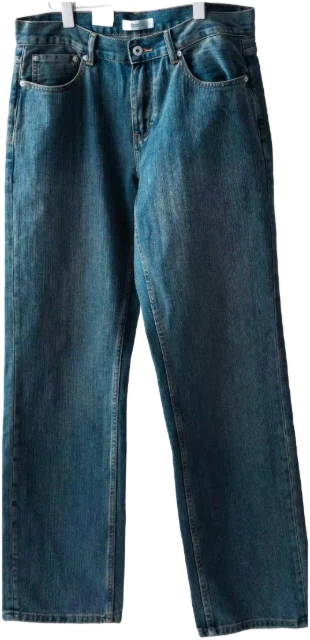
- Denim is a gamble. Fine in drizzle; in a downpour it gets heavy and cold, and stays wet for hours. Dark denim can also rub dye onto pale bags and seats when it’s wet.
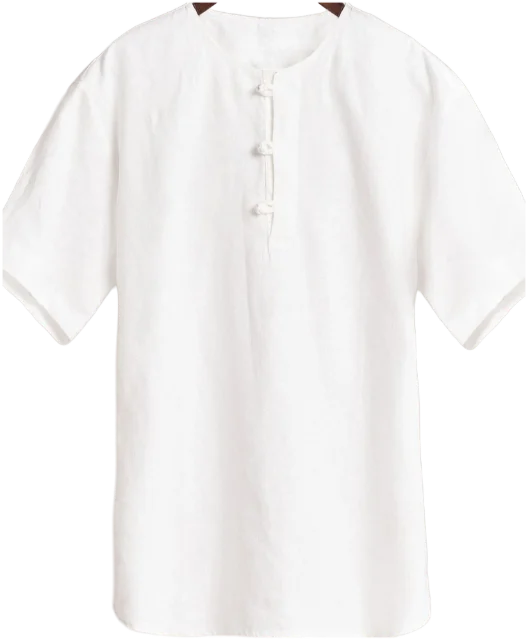
- Skip silk, suede and pale linen. Silk water-marks, suede stains, and thin pale fabrics show splashes or turn see-through.
Then look at your hems. Long, wide-leg trousers act like a wick, drawing water up from the pavement until they’re wet to the shin. On rainy days, wear trousers that end at the ankle, roll or tuck them into boots, or switch to a midi skirt or dress with boots and dark tights.
What to wear in the rain: outfits for work, weekends and warm days
Rainy mornings are when a full wardrobe feels most like nothing to wear, because half of it suddenly seems wrong. Having a go-to wet-weather outfit for each part of your week fixes that.
For the office
A trench or a smart waterproof mac over a fine wool knit, dark trousers that end at the ankle, and leather boots or brogues with rubber soles. If your office shoes don’t like rain, keep a pair at your desk and commute in boots. A work capsule wardrobe built in dark, hard-wearing fabrics makes this easy.
For the weekend
A hooded waterproof jacket, a jumper, dark trousers or jeans cuffed above the ankle, and rubber boots or waterproof trainers. Carry a crossbody bag, so you have a hand free for an umbrella or a coffee.
For an evening out
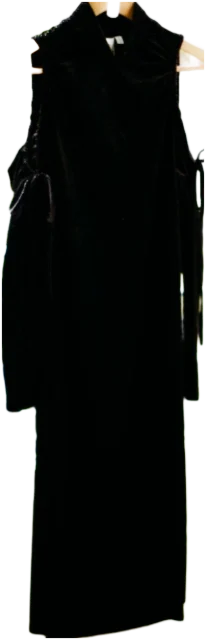
Rain doesn’t mean wellies at dinner. A dark midi dress, or dark trousers that clear the ankle, with leather ankle boots and a trench looks polished and survives the walk from the bus stop. Darker colours hide splashes; save the pale silk shirt for a dry night.
For warm summer rain
At 18–22°, a sealed waterproof turns into a sauna. A light, packable shell or just an umbrella is enough, over quick-drying fabrics. Sandals with rubber or synthetic straps can get wet without harm; leave the suede at home.
For cold rain
Rain and wind together feel far colder than the thermometer says, so layer properly under a waterproof and add a scarf and gloves. Our guide to what to wear by temperature shows what each degree calls for; on a wet day, read it a row colder.
Bags and accessories
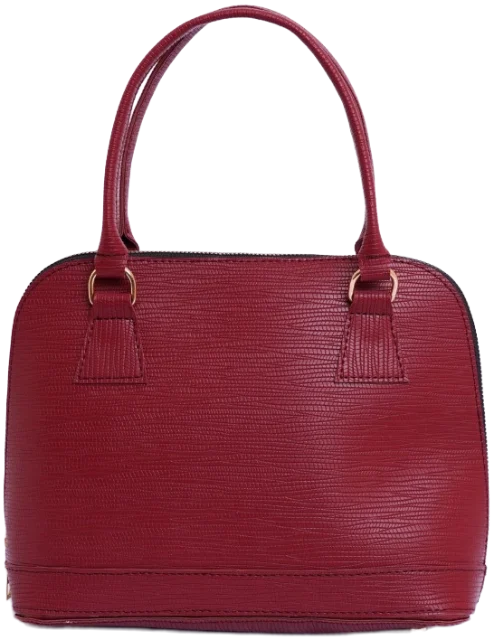
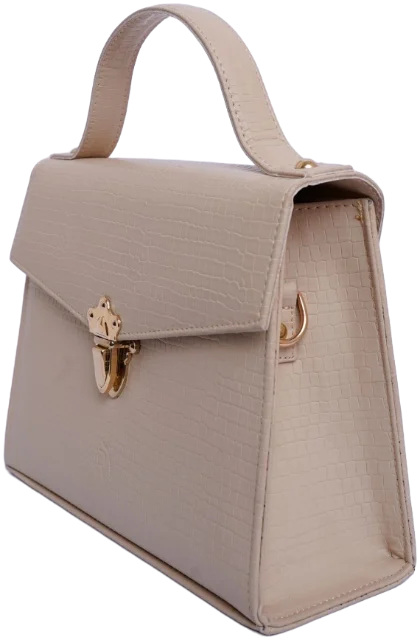
- Bags: smooth leather, coated canvas or nylon, ideally with a zip so rain can’t pool inside. Suede and fabric bags mark easily.
- Hats: a wool beanie copes with drizzle; a cap with a peak keeps rain off your face and glasses.
- Tech: keep your phone in an inside pocket; outer pockets let rain seep in during a downpour.
Umbrella or hood?
An umbrella keeps your hair and bag dry in still rain, and nothing beats it for drizzle on the way to dinner. In wind, it’s a liability. On the Beaufort scale used by the Royal Meteorological Society, force 6, a “strong breeze” of 38–49km/h (roughly 24–30mph), is the point at which umbrellas are used with difficulty.
- Check the wind on the forecast, not just the rain. Gusts matter more than the average.
- In wind, put the hood up and leave the umbrella in your bag.
- A cap under a hood keeps rain off glasses and holds the hood in place.
Check the forecast when you plan your outfits for the week, and you’ll know which days need the boots before the morning arrives.
After the rain: drying and care
- Hang wet coats on a hanger, not over a radiator or a door, so they dry in shape.
- Let leather and suede dry slowly, then condition leather and brush suede once it’s fully dry.
- Reproof waterproofs when water stops beading on the surface. Clean and reproof them following the care label, since the water-repellent finish wears off over time.
- Dry wool flat or on a hanger, never in a hot tumble dryer, which can shrink it.
Questions
Is a trench coat waterproof?
Most trench coats are water-resistant rather than waterproof: they shed drizzle and short showers but will soak through in steady rain. If you need one for all-day rain, look for a waterproof fabric and sealed seams on the label.
Can you wear leather boots in the rain?
Yes, if they’re polished and have rubber soles. Leather copes with rain far better than suede or canvas; afterwards, dry it slowly away from radiators and condition it so it doesn’t crack.
Are jeans OK to wear in the rain?
They’re fine in drizzle or a short shower and miserable in a downpour. Denim is heavy cotton, so it soaks up water, dries slowly and feels cold, and dark denim can transfer dye when it’s wet.
Is it OK to wear white when it’s raining?
Pale fabrics show every splash, and some thin white fabrics turn see-through when wet. If you love white, keep it on your top half under a coat and wear darker trousers and shoes.
Sources
- UK days of rain of 1mm or more, HadUK-Grid areal series, Met Office National Climate Information Centre
- Rain, Met Office
- What is the difference between rain and showers?, Met Office
- What is hydrostatic head and why does it matter?, Advnture
- Wool is naturally breathable, The Woolmark Company
- Beaufort scale, Royal Meteorological Society (MetLink)