Wedding guest dress codes decoded: what each one means in the UK
The invitation says “lounge suit” and you’re not sure what that means if you’re not wearing a suit. Here’s every common UK wedding dress code in plain English, whatever your style.
A wedding guest dress code tells you how formal to be. In the UK, one of the most common is lounge suit: a suit and tie, or a smart day dress, jumpsuit or tailored separates. Black tie means evening wear, formal often means morning dress, and smart casual or festival codes mean relaxed but still polished. Never wear head-to-toe white.
Key takeaways
- Lounge suit means a suit and tie, or a smart day dress, jumpsuit or tailored separates.
- Black tie means a dinner jacket and bow tie, or an evening dress or evening trousers.
- Formal daytime weddings often mean morning dress, and hats are traditional.
- Smart casual at a wedding is smarter than smart casual anywhere else: skip jeans and trainers unless the couple says otherwise.
- Avoid head-to-toe white or cream, and lift all-black with colour.
Below is each code in plain English, with menswear and womenswear options, and what to do when the invitation says nothing at all.
Wedding guest dress codes at a glance
From most to least formal. Wear whichever column suits you; the codes describe a level of formality, not a gender.
| Code | Menswear | Womenswear | Shoes |
|---|---|---|---|
| White tie (rare) | Black tailcoat, white waistcoat and bow tie | Full-length evening gown | Black patent shoes; evening shoes |
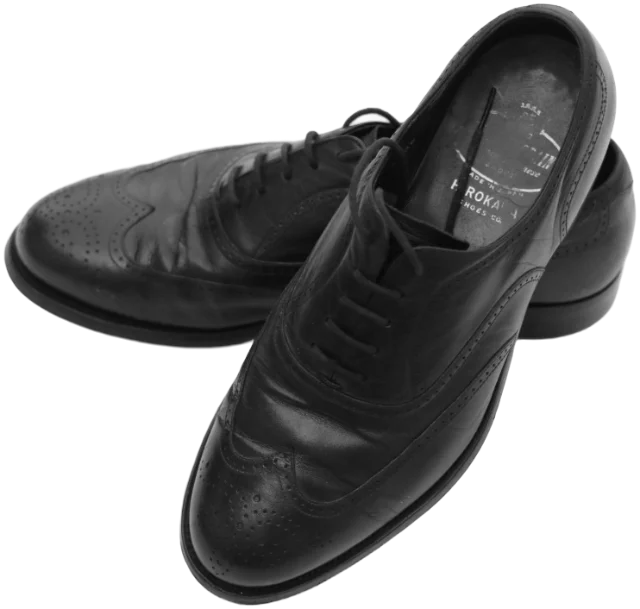
| Black tie | Dinner jacket, white evening shirt, black bow tie | Evening dress, long or elegant cocktail length; evening trousers | Polished black lace-ups; evening heels or flats |
| Formal or morning dress | Morning coat, waistcoat, grey trousers, silk tie | Knee-length or longer day dress, tailored jacket, hat | Polished leather; heels or smart flats |
| Cocktail | Dark lounge suit or velvet jacket | Knee to midi dress, dressy jumpsuit or separates | Smart leather; heels or dressy flats |
| Lounge suit | Suit and tie | Day dress, jumpsuit, trouser suit or tailored separates | Leather shoes; mid heels, block heels or flats |
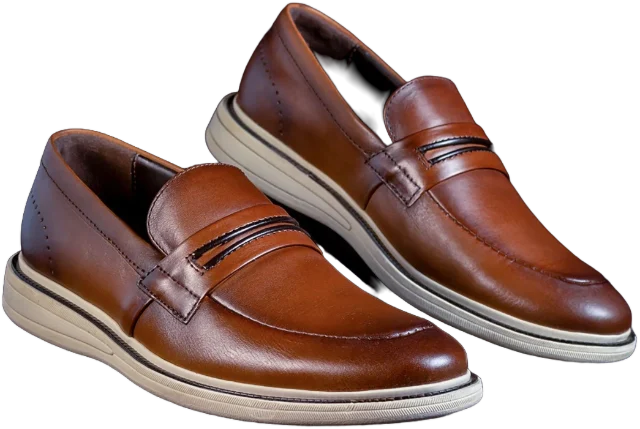
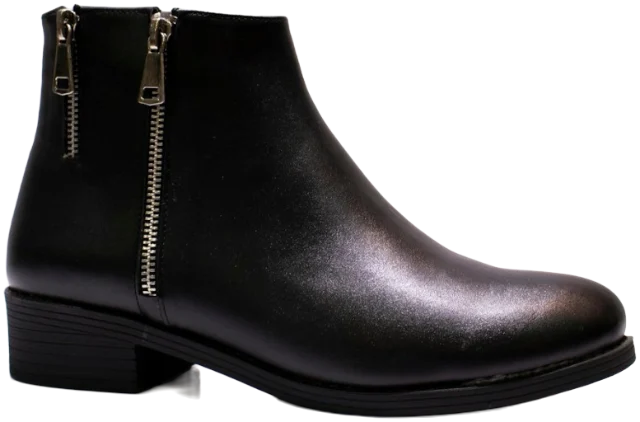
| Smart casual | Blazer, open-necked shirt, chinos or tailored trousers | Summer dress, smart separates, jumpsuit | Loafers, brogues, block heels, smart sandals |
| Festival or beach | Linen suit or shirt, chinos | Floaty midi, jumpsuit, layers | Boots, block heels, flat sandals |
Black tie and black tie optional
Black tie is evening dress, usually for weddings where the reception runs late. According to Debrett’s, menswear means a black dinner jacket with silk peaked or shawl lapels, matching trousers with a single braid stripe, a soft-collared white or cream shirt, and a black bow tie you tie yourself rather than a clip-on. Shoes are black and highly polished.
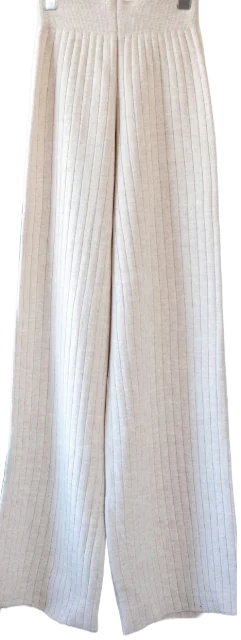
For womenswear, it means an evening dress, either floor-length or an elegant cocktail length. Evening trousers work too, and a wide palazzo cut looks more black tie than a slim one. Bring a wrap or an evening coat; marquees get cold.
Black tie optional and creative black tie
“Black tie optional” means the hosts will be in black tie and you’re welcome to join them, but a dark suit and tie or a smart cocktail dress is equally correct. “Creative” or “relaxed” black tie invites some personality: Debrett’s suggests a regular tie instead of a bow tie, a striking waistcoat or a velvet jacket, and a short or long dress or palazzo trousers.
Formal weddings and morning dress
On a traditional daytime invitation, “formal” or “morning dress” means the most formal day wear there is. Debrett’s describes the menswear as a black or grey single-breasted morning coat with tails to the knee, a grey or buff waistcoat, a white or light-coloured shirt and a silk tie. A top hat is optional at weddings, and men’s hats come off indoors. Morning suits are widely available to hire.
For womenswear, Debrett’s suggests skirts about knee length or slightly longer, with shoulders covered, so cocktail dresses and low necklines are best saved for later. A tailored dress and jacket, or a smart dress and coat, is the classic. Hats are traditional at formal day weddings; a fascinator is a lighter alternative.
Cocktail attire
Cocktail is dressy without the rules of black tie, and usually means an evening reception. Debrett’s says it releases men from the dinner jacket and bow tie in favour of smart lounge suits, velvet jackets or Nehru-collared jackets, while women can wear any dress or trouser combination that feels chic and glamorous.
In practice: a dark suit with a tie or a silk pocket square; or a knee to midi dress, a dressy jumpsuit or silk separates, with shoes you can dance in. Rich colours, a little shine and good jewellery all belong here.
Lounge suit
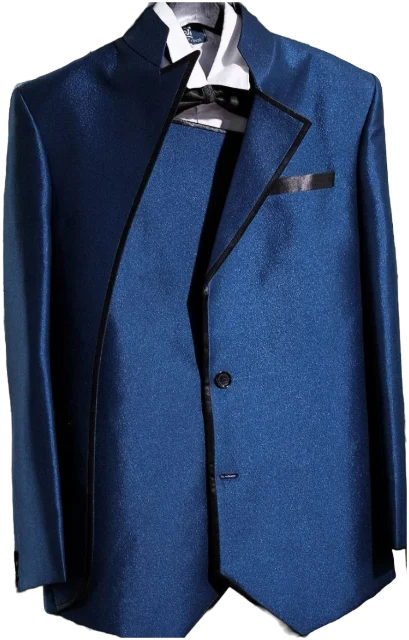
Despite the name, lounge suit is business attire. Debrett’s describes it as a dark or grey suit with a collar and tie and polished shoes. For a wedding, make it look celebratory rather than like Monday: a lighter tie, a pocket square, a suit in navy, mid-grey or, in summer, stone or pale blue.
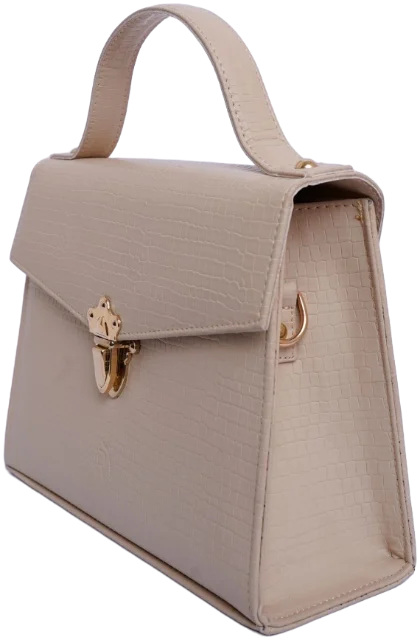
For womenswear, nobody expects a suit, though a trouser suit is perfect. Debrett’s suggests a skirt or trouser suit, or a dress with a jacket, with mid-heel shoes. Any smart day dress, a tailored jumpsuit or a blouse with tailored trousers all fit the code.
If you’re reworking a jacket you already own, our guide on how to style a blazer shows how to dress one up.
Smart casual weddings
Smart casual at a wedding sits at the smart end of smart casual. In menswear, that’s a blazer with an open-necked shirt and chinos or tailored trousers; a tie is optional. In womenswear, a summer dress, smart separates or a jumpsuit, dressed up with a heel, a print or a statement earring.
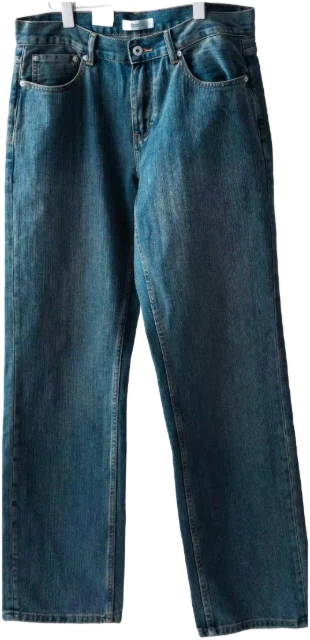
Skip jeans, trainers and anything that looks like the office or the gym, unless the couple has said otherwise. Our full guide to the smart casual dress code explains where the lines usually fall.
Festival, beach and garden weddings
These codes are as much about the setting as the formality: grass, sand, marquees and British weather. Dress up, but plan for the ground and the forecast.
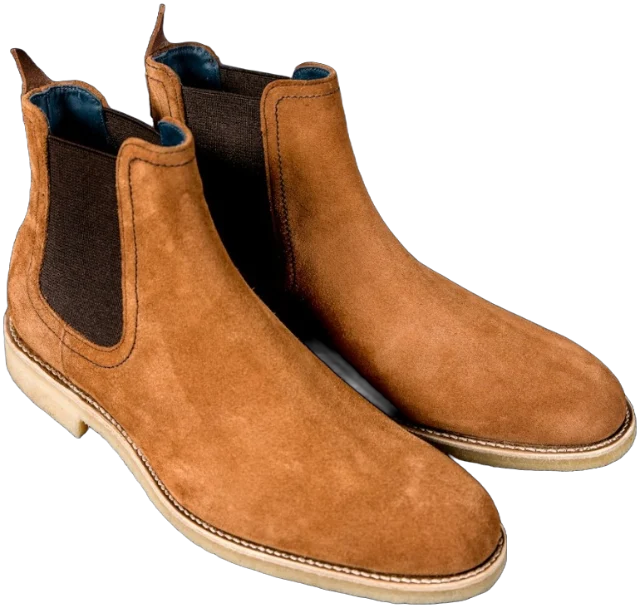
- Shoes: block heels, wedges, flat sandals, loafers or boots. Stilettos sink into lawns, and sand is worse.
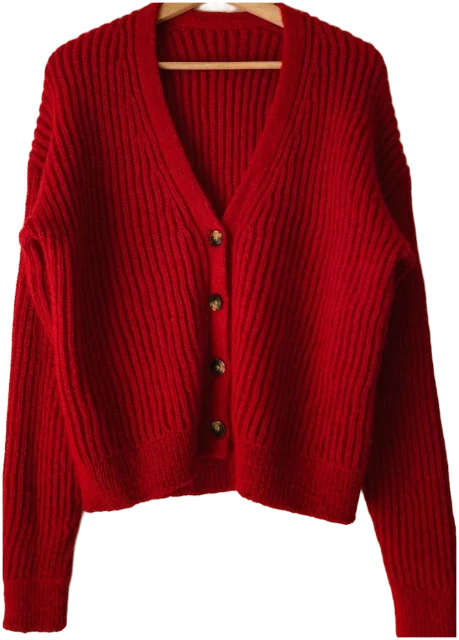
- Layers: even a hot afternoon can turn chilly after sunset, so bring a jacket, wrap or knit. Our guide to what to wear by temperature helps you pack for the whole day.
- Fabrics: linen, cotton and light wool breathe. Linen creases, so embrace it or choose a blend.
- A rain plan: a compact umbrella and shoes that can cope with a wet lawn. See what to wear in the rain.
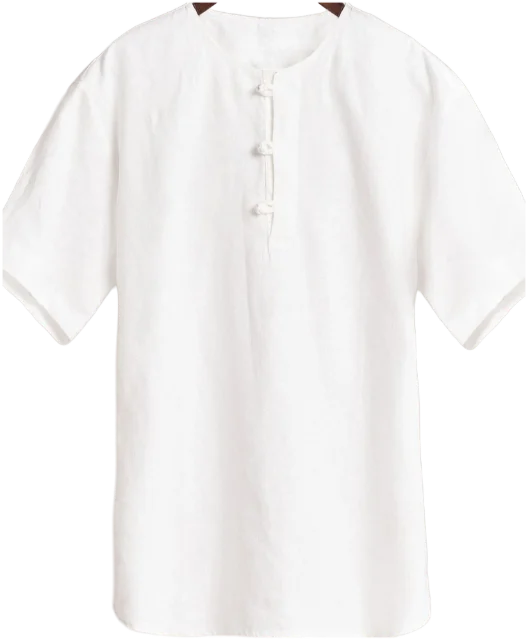
- Festival codes invite colour, print and fun: a linen suit with no tie, a printed shirt with chinos, a floaty midi or a bright jumpsuit.
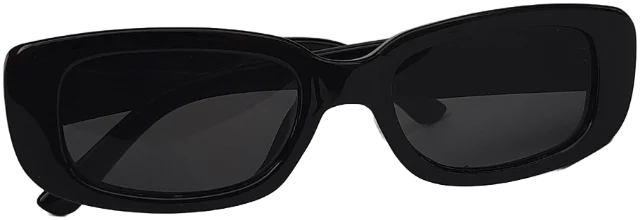
- Beach codes mean lighter colours and fabrics, sandals and sunglasses. Leave heavy dark wool at home.
No dress code? Plus what not to wear
If the invitation doesn’t say
Read the clues: the venue, the time of day, and the couple. Debrett’s says that at a very traditional wedding with no stated code, men are expected in morning dress or suits and women dress smartly, usually with hats; at a more contemporary wedding, suits and ties and smart day dresses are the norm. If you’re still unsure, ask the couple or someone in the wedding party. They would much rather you asked.
When in doubt, go slightly smarter. Debrett’s general rule is that being a little overdressed is better than being underdressed, and it’s easy to take off a tie or a jacket once the dancing starts.
Religious and cultural ceremonies
If the ceremony is in a place of worship, check whether shoulders, knees or heads should be covered, and carry a scarf or light jacket just in case. Ask the couple about colour as well: at some weddings certain colours are reserved for the family, and at others bright colour is exactly what everyone hopes guests will wear.
Evening guests and winter weddings
If you’re invited to the evening only, dress to the evening: darker colours, a little more shine, and shoes you can dance in. For winter weddings, plan for the walk between the car, the church and the venue. At around 5°C, a proper coat over your outfit beats shivering for the photos, and tights or a fine knit underneath don’t show.
What not to wear
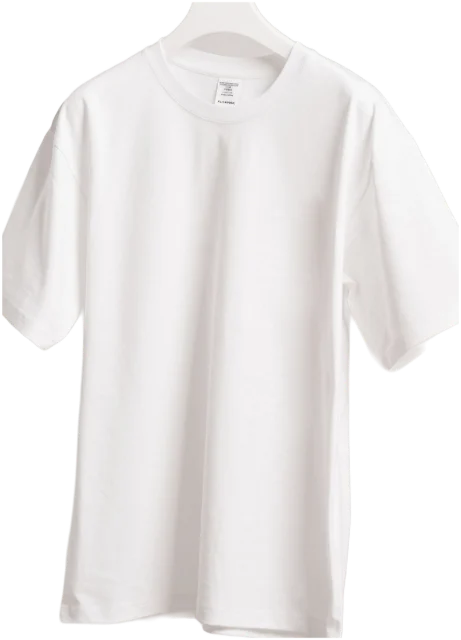
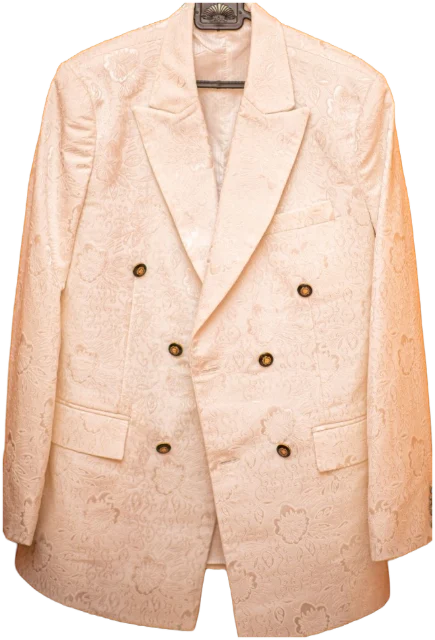
- Head-to-toe white or cream. Debrett’s is clear on this one. A white shirt under a suit is fine; a white dress is not.
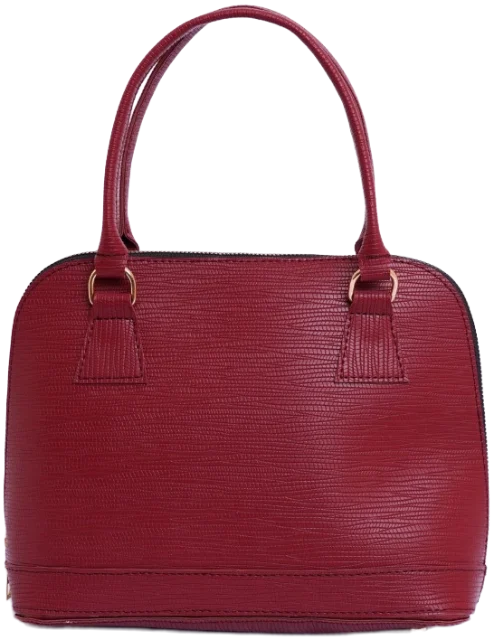
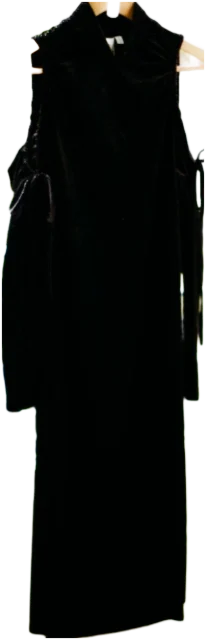
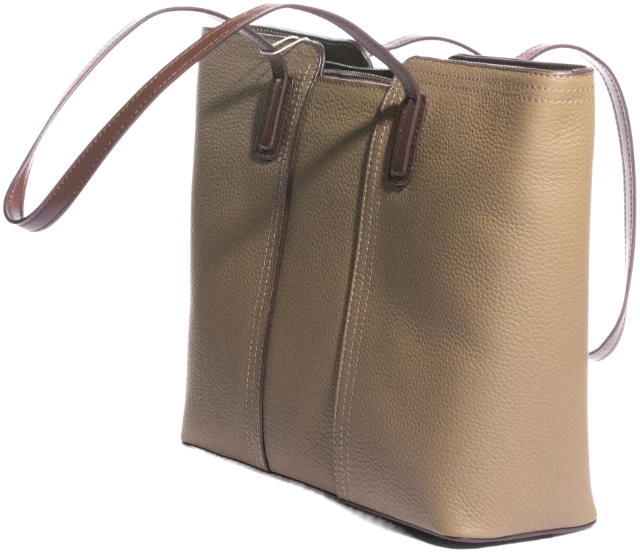
- All-over black without colour. Debrett’s warns it can look too sombre for a celebration, so add a coloured layer, shoe or bag. Our guide on how to match colours in outfits can help you choose.
- Anything that competes with the couple. Look polished, not like you’re auditioning for the cover.
- Clothes you can’t sit, eat or dance in for ten hours.
Do you need a new outfit?
Probably not. WRAP found dresses were among the clothes people most often own but don’t wear (43%), often because they’re kept for occasions only. And a wedding already costs a guest plenty in travel, a stay and a gift before the outfit.
So re-wear what you have and change the accessories, or borrow. A friend’s dress or suit is often the best thing in your size that you don’t own; see our guide to lending and swapping clothes.
Questions
Can you wear black to a wedding in the UK?
Yes, but Debrett’s warns that all-over black can look too sombre for a celebration. Add colour with a jacket, cardigan, shoes or bag, or choose navy or a deep jewel tone instead.
Do you have to wear a hat to a UK wedding?
Not usually. Hats are traditional for women at formal daytime weddings, and Debrett’s still treats them as part of formal day dress, but at many modern weddings they’re optional. Men’s top hats are optional even with morning dress.
Can you wear the same outfit to more than one wedding?
Yes. Different guests and different photos mean nobody will mind, and a new jacket, shoes or bag makes it feel fresh. It’s kinder to your budget too.
Is a jumpsuit acceptable for a wedding?
Yes. A tailored jumpsuit works for lounge suit, cocktail and smart casual codes, and in an evening fabric with dressy shoes it can suit relaxed black tie.
Sources
- Deconstructing Dress Codes, Debrett’s
- How to be a great wedding guest, Debrett’s
- Do Dress Codes Matter?, Debrett’s
- Nation’s wardrobes hold 1.6 billion items of unworn clothes, WRAP