How to get clients as a personal stylist
Good styling doesn’t sell itself. Here’s a practical plan for getting found and booked, from your first ten clients to a steady stream of referrals.


To get clients as a personal stylist, start with people who already know you, make it easy for every happy client to refer a friend, partner with local businesses whose customers need you, and get found in search through a Google Business Profile, directory listings and useful content. Instagram works best as your portfolio, not your only channel.
Key takeaways
- Your first clients come from people who know you: tell them exactly who you help.
- Ask for referrals at the high point of a session, and make passing you on easy.
- Partner with hairdressers, photographers, tailors and boutiques that share your clients.
- A Google Business Profile and directory listings put you in front of people already searching.
- Never reward clients for Google reviews: Google forbids it, and UK law bans hiding incentives.
Start with your first ten clients
Your first clients won’t come from an algorithm. They’ll come from people who know you, have seen your work or have been told about you by someone they trust.
- Tell people exactly what you do. Not “I’m a stylist” but “I help men who hate shopping build a work wardrobe in one afternoon.” Specific is memorable, and memorable gets passed on.
- Ask directly. A personal message to 30 people you know, saying what you offer and who it’s for, does more than a launch post.
- Make the first booking easy. One clear starter service, with a price and a booking link.
- Collect proof as you go: testimonials, before-and-after looks (with permission) and notes on what changed for each client.
If you’re still building your skills and portfolio, start with how to become a personal stylist.
Make referrals your main channel
Word of mouth is hard to beat. In Nielsen’s 2021 Trust in Advertising study of more than 40,000 people worldwide, 88% said they trust recommendations from people they know more than any other channel. A delighted client is the most believable advert you’ll ever have.
- Ask at the high point. The best moment is when the client is happiest: the end of a wardrobe edit, or the week they’ve worn three new outfits.
- Make it easy. Give them a link or a card to pass on, and one sentence that says who you help.
- Thank every referrer. A note, a small gift or something off their next session. Keep this separate from reviews, where the rules are stricter (see below).
- Stay in touch. A check-in after a month and a seasonal message keep you in mind when a friend asks.
Partner with businesses that share your clients
Plenty of businesses serve the people you want to reach, at a moment when they’re thinking about how they look. Two or three good partnerships can send you a steady trickle of warm introductions.
| Partner | Why their clients need you | What you can offer |
|---|---|---|
| Hairdressers and make-up artists | Their clients are already investing in how they look | Referral cards both ways, joint makeover days |
| Photographers | Headshots and brand shoots need the right outfits | Pre-shoot styling as part of their package |
| Tailors and alterations | A wardrobe edit creates alterations, and fit problems need styling | Sending each other clients |
| Independent boutiques | Customers want help putting looks together | Styling evenings, appointments in store |
| Career coaches and recruiters | New jobs and interviews raise the question of what to wear | Interview and first-week wardrobe sessions |
| Wedding and event planners | Guests and families need outfits | Occasion packages |
| Employers and networks | Staff want help with dress codes or returning to work | Workshops and talks that lead to one-to-one bookings |
Start with partners you’d genuinely recommend, agree how you’ll refer each other, and check in every few months on what’s working.
Get found on Google
When someone searches for a personal stylist near them, Google shows local businesses on a map alongside the results. To appear there, you need a Google Business Profile, which is free.
- Check you’re eligible. Google’s guidelines say a business qualifies if it has a place customers can visit or it travels to customers where they are. If you only ever work over video, you may not qualify.
- Keep your home address private. If you visit clients rather than receive them, set up as a service-area business: your profile shows the areas you cover (up to 20, within about two hours’ drive) instead of your address.
- Use your real business name. Google’s guidelines don’t allow extra words, such as services or places, added to it.
- Fill in everything: category, services, hours, photos of your work and a description in plain English.
Google says local ranking depends on relevance, distance and prominence, and that more reviews and positive ratings can help. It also says there’s no way to pay for a better local ranking. Closetboard’s guide to setting up a Business Profile and showing your Google reviews walks through it step by step.
The rules on reviews
Ask every happy client for a review, but do it straight. Google’s review policy doesn’t allow businesses to offer incentives, such as discounts or free sessions, for reviews, or to ask only the clients they expect to be positive. And in UK law, since 6 April 2025, commissioning fake reviews, or reviews that hide an incentive, is a banned practice under the Digital Markets, Competition and Consumers Act; the CMA’s fake reviews guidance explains what that covers. Send every client the same short message with a direct link, and reply to every review, good or bad.
Your own website
Your Business Profile should link somewhere useful: a site or booking page with a page for each service, the areas you cover, your prices or “from” prices, your work and a booking link. Write it the way clients search: “wardrobe edit in Leeds”, “personal shopper for men”, “colour analysis near me”.
List yourself in directories
Directories put you in front of people who are already looking for a stylist. Closetboard’s stylist directory lists independent stylists in 22 countries for free. Nobody pays to be higher up (it’s alphabetical), every listing is checked against the stylist’s own website, and it shows your city, what you offer and a starting price if you publish one. You can add your business here.
Also look at your training school’s graduate list, any professional body you belong to and local business directories. Keep your business name, area and contact details identical everywhere, so people and search engines can tell it’s the same business.
Create content that answers clients’ questions
The people you want to reach are searching for answers: what to wear to a wedding, how to build a capsule wardrobe, what a colour analysis involves. Answer those questions on your website, in short videos and in a newsletter, and you become the stylist they already trust when they’re ready to book.
- Write about local things: the best shopping streets in your town, what to wear to a local event, office dress codes in your city.
- Turn every question a client asks into a post, with nothing that identifies them.
- Share real before-and-after looks, with permission.
- Build an email list. Under the ICO’s rules you can email past clients about similar services through the soft opt-in, as long as you offered an opt-out when you collected their details and in every email since; anyone else needs to sign up.
Use Instagram as your portfolio
Styling is a visual job, so Instagram makes a natural portfolio and shop window. Treat it as that, not as a full-time job.
- A bio that says who you help, where, and how to book, with a link.
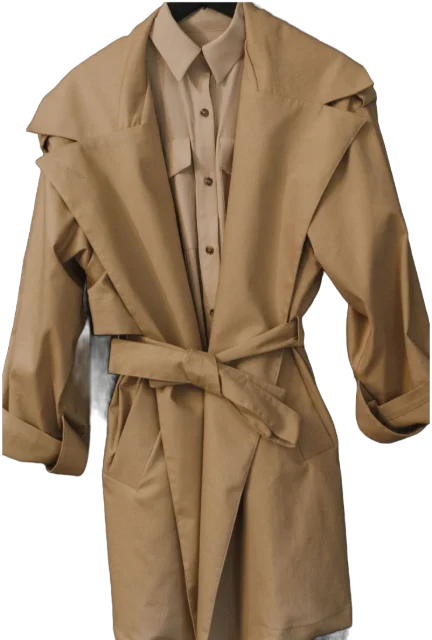
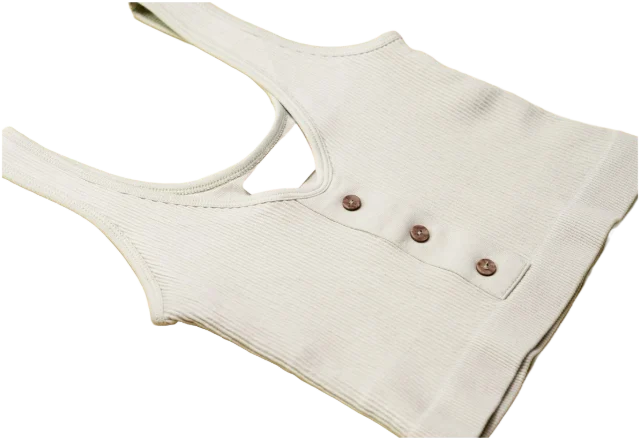
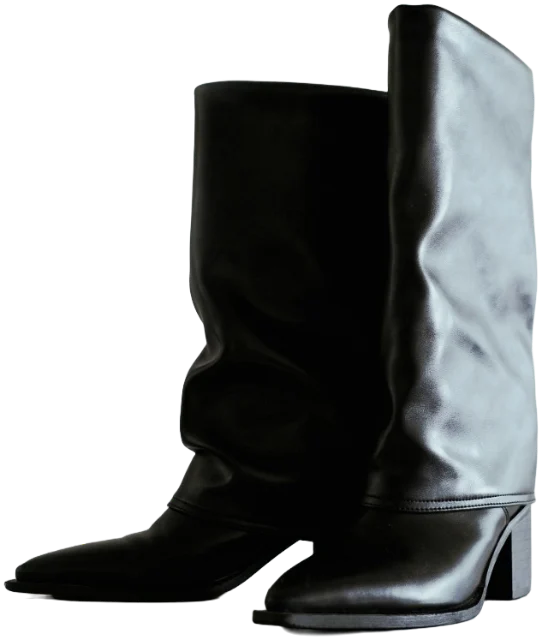
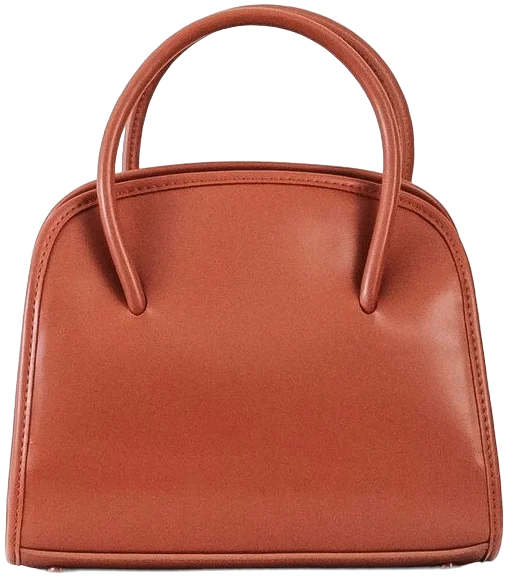
- A grid of real work: looks, edits, shopping finds and boards.
- Short videos of the process, from crowded rail to finished outfit.
- Client stories, shared with permission.
If a brand gifts you something or you earn commission on a link, the ASA’s advice on social media ads says the post must be clearly labelled as an ad, upfront; words like “gifted” or “affiliate” on their own are unlikely to be enough. There’s more in our guide to Instagram for personal stylists.
Turn enquiries into bookings
All of this only pays off if enquiries become bookings.
- Reply quickly, the same day if you can.
- Offer a short call for bigger packages, so you can hear what they need.
- Point to clear packages rather than a long list of hourly options; here’s how to build personal styling packages.
- Send a booking link with your terms, so they can pick a time there and then.
- Send a consultation form before the first session; see our client questionnaire guide.
- Follow up once if they go quiet, then let it rest.
Questions
Can I offer a discount in exchange for a Google review?
No. Google’s policy doesn’t allow businesses to offer incentives such as discounts or free services for reviews, and UK law bans commissioning reviews that hide an incentive. Ask every client the same way, with no reward attached.
Do I need a website to get styling clients?
Not on day one, but it helps. A simple site or booking page with your services, prices, work and a booking link gives your Google profile, directory listings and Instagram somewhere to send people.
Is Instagram enough to find styling clients?
It’s a good portfolio, but relying on one platform is risky. Referrals, partnerships and being findable in search bring you people who are already looking for a stylist.
Should I work for free to get my first clients?
Free practice sessions help while you build a portfolio, but set a limit and ask for a testimonial and permission to share the results in return. Once you can show what you do, charge, even if you start below your eventual rate.
Sources
- Beyond martech: building trust with consumers and engaging where sentiment is high (Trust in Advertising study, 2021), Nielsen
- Guidelines for representing your business on Google, Google Business Profile Help
- Manage your service areas for service-area and hybrid businesses, Google Business Profile Help
- Tips to improve your local ranking on Google, Google Business Profile Help
- Prohibited and restricted content (Maps user generated content policy), Google
- Fake reviews (CMA208), Competition and Markets Authority
- Marketing and data protection in detail, Information Commissioner’s Office
- Recognising ads: social media and influencer marketing, Advertising Standards Authority