How to become a personal stylist: skills, training and your first clients
You don’t need a degree to style people for a living, but you do need a trained eye, real practice and a plan for finding clients. Here’s the honest route in.
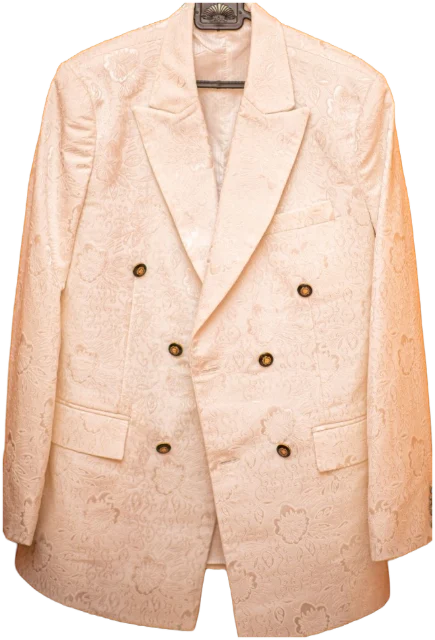
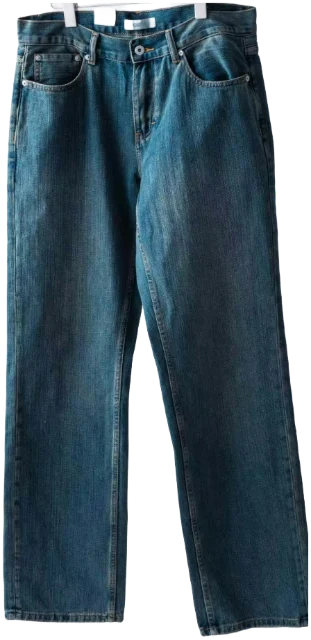
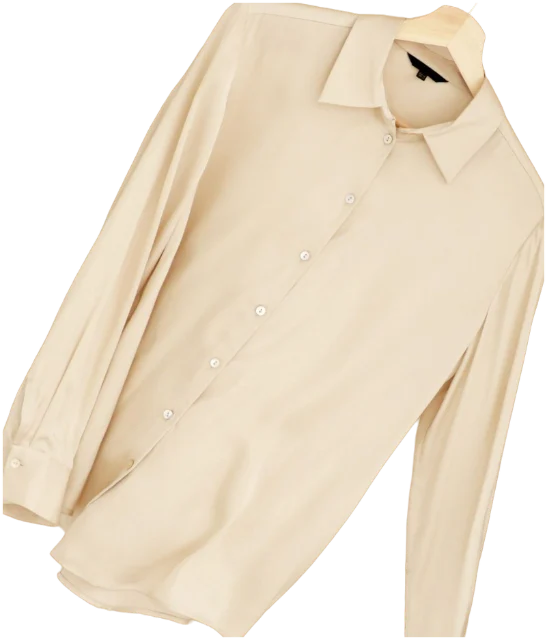
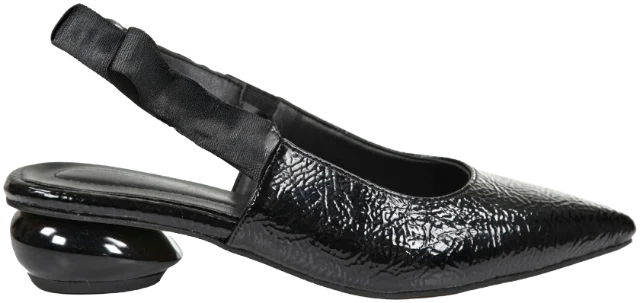
To become a personal stylist, you need three things: a trained eye for colour, proportion and fit; enough practice on real people to prove it; and a business to sell it. A formal qualification isn’t essential in the UK, so the route is yours to design: training that suits your budget, a portfolio from practice clients, then paid work.
Key takeaways
- A qualification isn’t essential in the UK; evidence that you get results is what sells.
- Learn colour, proportion, fit and the shops at every budget, plus the people and business skills.
- Build a portfolio from practice clients, and get permission for any photo you use.
- Register for Self Assessment once you earn more than £1,000 from styling in a tax year.
- Price from your costs and hours: UK starting prices in the directory have a median of £170.
What does a personal stylist actually do?
A personal stylist helps private clients dress well for the life they actually lead. Day to day that means wardrobe edits (deciding what stays, what gets altered and what goes), personal shopping, colour analysis, style consultations and sessions over video. For the client’s side of the story, see what a personal stylist does.
It’s a different job from fashion or editorial styling, where you dress models for shoots, campaigns or television. The skills overlap, but a personal stylist’s client is one person with a real body, a real budget and a wardrobe full of history. The work is closer to coaching than to a photo shoot: you listen, you teach and you make getting dressed easier.
The skills you need to become a personal stylist
Personal styling looks like taste. In practice it’s a set of skills you can learn and practise, in three groups.
Styling skills
- Colour: undertone, contrast and depth, and how to build a palette a client can actually shop from. Start with how to match colours in outfits and go deeper from there.
- Proportion and fit: where a hem, a waistband or a shoulder seam should sit, and what a tailor can fix. Treat every body as a set of proportions to work with, never a problem to hide.
- Garments and fabric: cuts, cloths, construction and what lasts.
- The market: what’s in the shops, second-hand and online at every budget, in menswear and womenswear. Clients who fall between sizes or sections need someone who knows both.
People skills
Clients let you into their bedrooms, their insecurities and their bank balance. You need to listen more than you talk, give honest opinions kindly, keep confidences, and know when a client wants encouragement and when they want a straight answer.
Business skills
If you work for yourself, you’re also the marketing department, the bookings desk and the accounts team. Selling, writing clearly, keeping records and managing a diary matter as much as your eye, especially in the first year.
Do you need qualifications to be a personal stylist?
No. Careerpilot’s image consultant profile, a UK careers guide, says a qualification is “not essential” to get into the work, and lists college and university courses, private training and moving across from retail, sales or marketing as ways in. What clients pay for is evidence that you can make them look and feel better. Training gets you there faster, with fewer gaps.
| Route | What it is | Best for | Check before you pay |
|---|---|---|---|
| Short course | Days to a few weeks, online or in person: colour, proportion, wardrobe edits, shopping | A fast, affordable foundation | How much practical work and personal feedback is included |
| Colour analysis training | Focused training in one method of colour analysis, usually with drapes | Adding a service clients book on its own | Whether you must buy kit or pay ongoing fees to use the method |
| Diploma or image consultancy course | Longer programmes covering style, colour, body, wardrobe, shopping and often business | Career changers who want depth and structure | Who teaches it, what’s assessed and whether business skills are covered |
| College or university course | Foundation degrees, HNDs and degrees in fashion, styling, beauty or marketing | Younger entrants, or anyone wanting a wider fashion career | How much is personal styling rather than editorial work |
| Learning on the job | In-store styling or personal shopping roles, or assisting an established stylist | Learning to work with real customers quickly | Whether you’ll work with clients or mostly on the shop floor |
Prices vary widely. As one example, London College of Fashion’s online personal styling short course was listed from £540 in October 2026, and its on-campus course from £750. Whatever you choose, look for real client practice, feedback on your work, menswear as well as womenswear, and at least some teaching on running a business.
Build a portfolio before you charge full price
A portfolio is your proof. Before you have paying clients, build it from practice clients: friends first, then friends of friends, then people you don’t know at all, who will give you more honest feedback. Aim for range: different ages, budgets, sizes and lifestyles, and menswear as well as womenswear if you plan to offer it.
Treat every practice session as the real thing. Agree what you’ll do, run a proper consultation, deliver the session and send a follow-up. You’ll learn how long each part really takes, which is the number you need later for pricing.
For each client, keep:
- Before-and-after outfits, or boards of the looks you built.
- The shopping list or capsule plan you wrote.
- A short testimonial in their own words, and what changed for them.
- Your own notes: what worked, what you’d do differently, how long each part took.
Get permission before you use anyone’s photo. A photo of a person who can be identified is personal data, and the ICO’s guidance for small businesses uses exactly this example: a business that wants customers’ photos in its marketing should ask for their consent first. Boards of the clothes, without faces, are a good alternative for clients who’d rather stay private.
Set yourself up as a business
If you plan to work for yourself, you can start trading in the UK straight away, but you must register for Self Assessment as a sole trader once you earn more than £1,000 in a tax year. You’ll also want insurance, written terms with a clear cancellation policy, a plan for handling client data and a way to take bookings.
Our guide to starting a personal styling business takes each of those step by step, with the official page for every rule. If you work elsewhere in Europe, the styling is the same but registration, tax and consumer rules are national, so check your own government’s guidance.
How to find your first clients
Your first paying clients are most likely to come from people who know you or have seen your work. Tell everyone what you now do, specifically: not “I’m a stylist” but “I help women going back to work after maternity leave build a wardrobe that fits their new life.” A clear niche makes you easier to recommend.
- Turn practice clients into referrers. Ask each one who else could use you, and make it easy for them to pass on your details.
- Partner with businesses that share your clients: hairdressers, tailors, photographers, independent boutiques and career coaches.
- Be findable. A Google Business Profile, a simple website and directory listings let people searching for a stylist near them find you.
- Show your work on social media, as a portfolio people can browse before they enquire.
There’s much more in how to get clients as a personal stylist.
Setting your first prices
Don’t guess. Starting prices published by 24 UK stylists in Closetboard’s stylist directory have a median of £170 (October 2026), with the middle half between £130 and £250. Those are “from” prices, the least a session costs. Work out what you need from your own costs and hours, then read how much to charge as a personal stylist and how to group your services into personal styling packages.
What to expect in your first year
Personal styling can be a rewarding job, but be realistic about the start.
- Income takes time to build. Careers guides quote wide salary ranges (Careerpilot gives £14,000 to £40,000 a year for image consultants), but self-employed stylists don’t earn a salary. What you take home is your fees minus your costs, and early bookings are uneven. Keeping other paid work while you build up is sensible; plan for it rather than hoping you won’t need it.
- Styling is only part of the week. Marketing, admin, travel, preparation and follow-up take real hours, and nobody pays for them unless your prices do.
- Results bring clients back. A wardrobe edit can lead to shopping, seasonal refreshes and referrals. Repeat work is what makes the business steady.
- Your niche will sharpen. After your first few dozen clients you’ll know who you love working with and who books again. Lean into that.
- The learning doesn’t stop. Shops, fabrics and trends change, and so do your clients’ lives.
Can you be a personal stylist online?
Yes. Video consultations, virtual wardrobe edits from photos and online shopping lists let you work with clients anywhere, and online sessions are one of the services stylists publish starting prices for. It works best when you can see everything the client owns, which is where photographing a wardrobe, or having the client do it, comes in.
Questions
How long does it take to become a personal stylist?
A short course takes from a week to a few weeks. Building a portfolio from practice clients takes longer and depends on how many people you can style, so starting part-time alongside other work gives you room to do both.
How much do personal stylists earn in the UK?
Self-employed stylists don’t earn a salary: income is fees minus costs, and it depends on how many sessions you sell. Careerpilot gives a range of £14,000 to £40,000 a year for image consultants, but treat any single figure with caution.
Can I become a personal stylist with no experience?
Yes, but build the experience before you charge full price. Style friends and their friends as practice clients, keep a record of the results and collect testimonials, then start charging once you can show the difference you make.
Can I be a personal stylist part-time?
Yes. Self-employment can run alongside a job: you register for Self Assessment once your trading income passes £1,000 in a tax year, and evening and weekend sessions suit clients who work too.
Sources
- Image consultant: job profile, Careerpilot
- Personal Fashion Styling Online Short Course, University of the Arts London (London College of Fashion)
- Personal Styling Short Course, University of the Arts London (London College of Fashion)
- Set up as a sole trader, GOV.UK
- Marketing and data protection in detail, Information Commissioner’s Office