Can an AI stylist help you get dressed? An honest look
AI makes a tireless second opinion on what to wear. It can also be confidently wrong. Here’s how to get the first without the second.
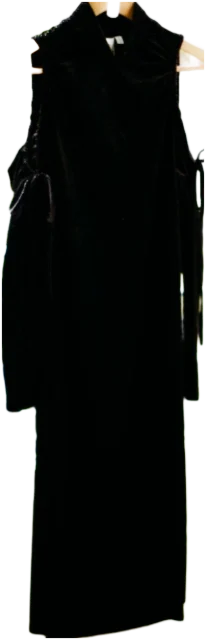
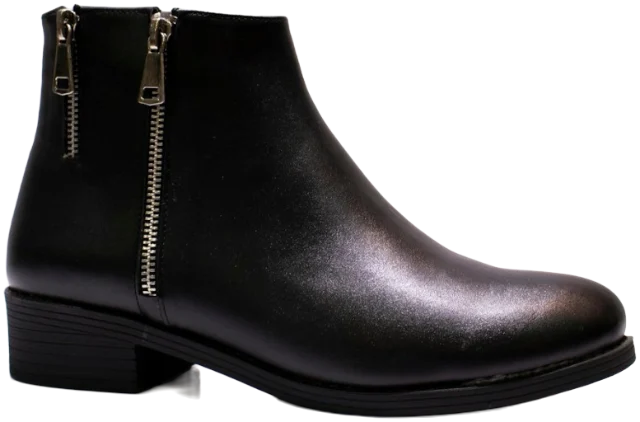
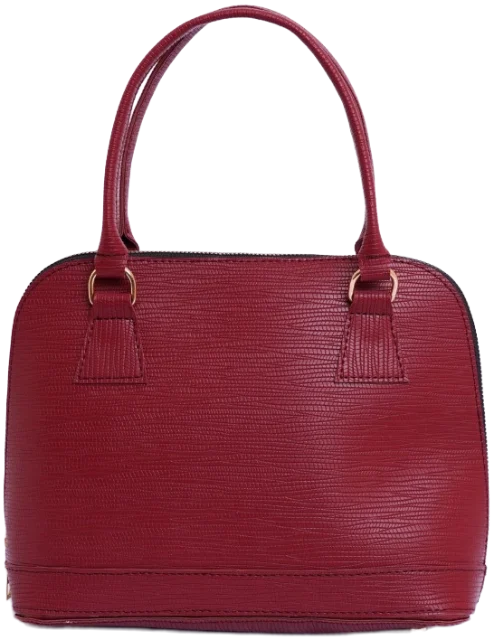
An AI stylist is software that suggests outfits, usually by reading photos or descriptions of your clothes alongside the weather, the occasion and what you like. It’s good at quick combinations from what you already own and at explaining dress codes. It can’t feel fabric, see how something fits you, or know your taste unless you tell it.
Key takeaways
- An AI stylist is best for quick outfit ideas from clothes you own, dress codes, weather and packing.
- It can’t judge fit, feel fabric or see true colour, and it can be confidently wrong.
- A shop’s AI stylist is there to sell; one that knows your wardrobe helps you wear what you have.
- Before you upload, check what’s sent (photos or text), when, to whom, and how to delete it.
- Give it the occasion, weather, rules and limits, ask for reasons, and treat the answer as a draft.
What is an AI stylist?
The phrase covers three quite different things, and it helps to know which one you’re using:
- A general AI chatbot. You describe your clothes or upload photos and ask what to wear. It’s flexible, but it only knows what you tell it in that conversation.
- An AI stylist inside a wardrobe app. It works from a catalogue of your clothes, so it can suggest outfits using only things you own, and sometimes knows what you’ve worn recently.
- A shop’s AI stylist. It suggests products from that shop’s stock. It’s useful for browsing, but its job is to sell you something.
The first two can help you wear more of your own wardrobe. The third mostly helps you add to it.
What an AI stylist is genuinely good at
- New combinations from old clothes. It has no habits, so it will happily pair the blazer you only wear to work with the jeans you only wear at weekends.
- Translating dress codes. Ask what smart casual means for your office, or how to read a wedding guest dress code, and you’ll get a clear starting point.
- Dressing for the weather. Give it the temperature and the chance of rain and it will layer sensibly.
- Explaining why. A good one tells you why a pairing works (the colours echo, the proportions balance), which teaches you to do it yourself.
- Packing. Ask for five days of outfits from ten pieces and it will do the maths faster than you can.
- Spotting gaps. Given a full list of your clothes, it can point out that you have seven jumpers and only one pair of trousers that goes with them.
- Being there at 7am, without judgement, as many times as you like.
One of the most useful requests is the simplest: “Build me three outfits around the piece I wear least.” It turns an AI stylist from a novelty into a way of getting value from clothes you’ve already paid for.
What an AI stylist can’t do
Being clear about the limits is what makes the tool useful. An AI stylist can’t:
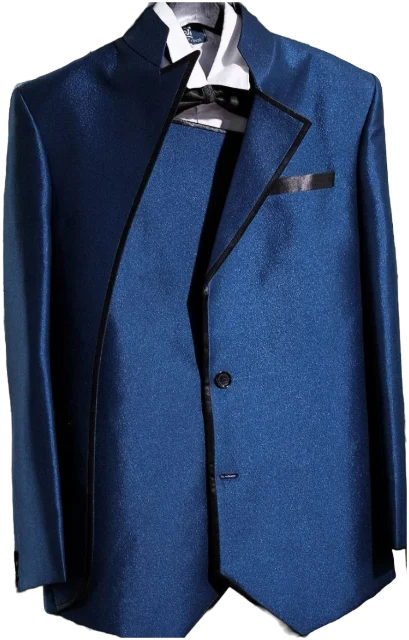
- Judge fit. A photo of a jacket on a hanger says nothing about how it sits on your shoulders. Only a mirror does.
- Feel fabric. It doesn’t know that your linen shirt creases by 10am or that your wool trousers itch.
- See true colour. Phone photos shift colour with the light, so navy can arrive looking black. If the tags are wrong, the colour advice will be too.
- Know your taste or comfort unless you say so. It won’t guess that you can’t stand anything tight around the neck.
- Guarantee its facts. AI tools can state wrong things with total confidence. When Which? put six AI tools through 40 consumer questions in 2025, it found that answers varied significantly in accuracy, even though 47% of people who use AI to search the web said they trusted it to a great or reasonable extent.
- Promise a product is real. A suggested shopping link can be out of stock, the wrong item or, in some tools, simply made up. Check before you buy.
None of this makes AI styling useless. It makes it a second opinion, not a verdict: brilliant for ideas, unreliable as the final word.
How to tell a good AI outfit suggestion from a bad one
Run every suggestion past these questions before you put it on:
- Does it use only what you own? If it includes a piece you don’t have, it isn’t an outfit yet; it’s a shopping list.
- Is every piece there for a reason? A good suggestion can say why each item earns its place.
- Does it respect the weather? Suede in a downpour or a wool coat at 22° means it wasn’t paying attention.
- Is it right for the occasion? Check the shoes in particular: they set the formality of an outfit, and they’re easy to get wrong.
- Could you wear it all day? Comfort is a fair reason to say no.
Be wary of answers that could apply to anyone, such as “a crisp white shirt and tailored trousers”. That’s not styling you; that’s styling a stock photo. Ask again with more detail.
AI stylist vs human stylist
They’re good at different jobs, so the real question is which job you need doing.
| Task | AI stylist | Human stylist |
|---|---|---|
| Outfit ideas from your clothes | Fast and tireless, if it knows your wardrobe | Thoughtful, but limited to their visits |
| Fit and tailoring | Can’t see you | Their main strength |
| Fabric and quality | Goes by labels and descriptions | Can touch, compare and judge |
| Knowing your taste | Only what you tell it | Learns it by watching and asking |
| Everyday questions | Available any time | Booked and paid for by the session |
| A big occasion or a new chapter | A useful first draft | Often worth it |
AI stylist privacy: what are you sharing?
To style you, an AI needs to know about you. Photos of your clothes reveal your size and your spending; selfies show your face and often your home. Before you upload, find out:
- What is sent: your photos, or a written description of your clothes.
- When it’s sent: every time you add a piece, or only when you ask a question.
- Who processes it: the app maker, or a separate AI company.
- Whether it’s used for training or read by human reviewers.
- How to delete it. In the UK you can ask an organisation to delete your personal data in many situations, and it normally has a month to respond.
As an example of how this varies, Closetboard’s Advisor uses Google’s Gemini and works from a written list of your pieces rather than your photos. Whatever you use, share no more than the job needs: a cut-out photo of a jumper tells an AI all it needs to know about the jumper.
How to get good results from an AI stylist
Most disappointing AI outfits come from thin questions. Give it what a good friend would ask you:
- The occasion and setting: a wedding in a barn, a client lunch, a first date at the pub.
- The weather and what you’ll be doing: 14° and drizzle, lots of walking, standing on grass.
- The rules: the dress code, and anything you won’t wear.
- The limit: “only use clothes I own”, or say if you’re open to buying one piece.
- A request for reasons, so you can judge the logic.
- A few options, not one answer.
Here’s the difference in practice:
Too thin: “What should I wear to a wedding?”
Better: “Outdoor wedding in late May, about 18°, lots of standing on grass, smart but not black tie. Using only my clothes, give me three outfits with a reason for each piece, and no heels.”
Then push back. Ask for a warmer version, a different pair of shoes or something less formal. Treat the first answer as a draft, and always try the final outfit on before the day. When an outfit works, save it or note it down, so next time you can ask for “more like this” instead of starting from scratch.
The quality of what the AI knows about your clothes sets the ceiling on its advice. Accurate tags and clean, well-lit photos make a real difference, which is why a well-kept digital wardrobe makes AI styling far more useful.
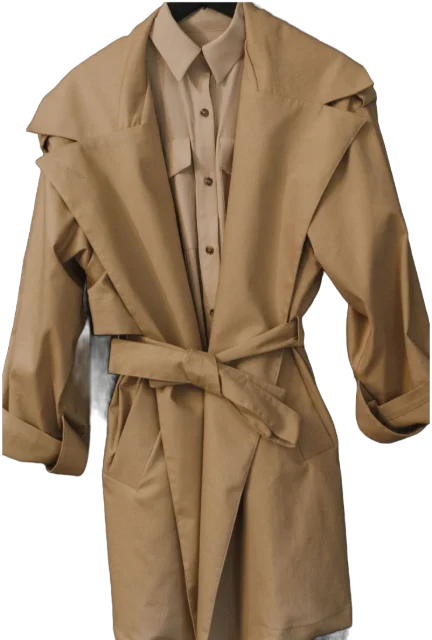
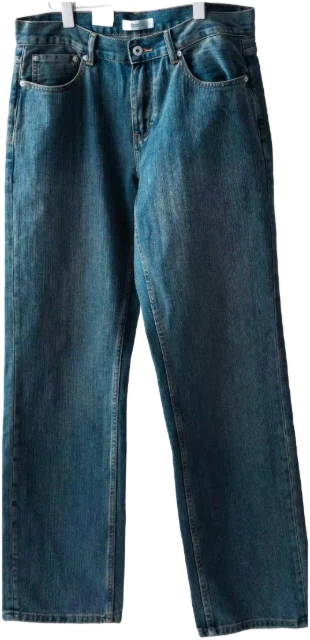
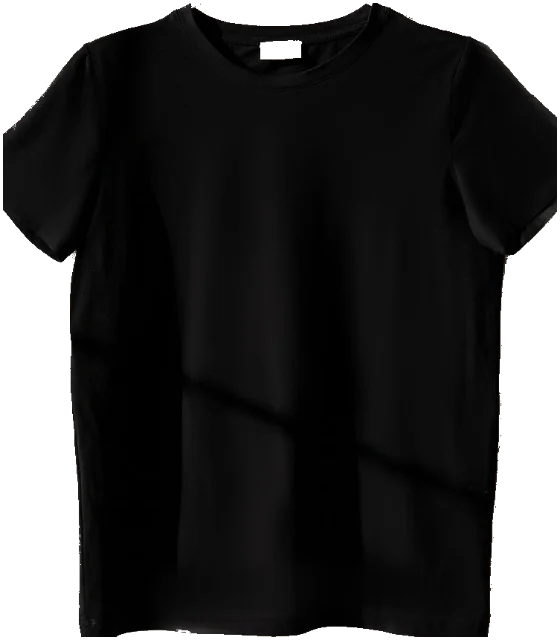
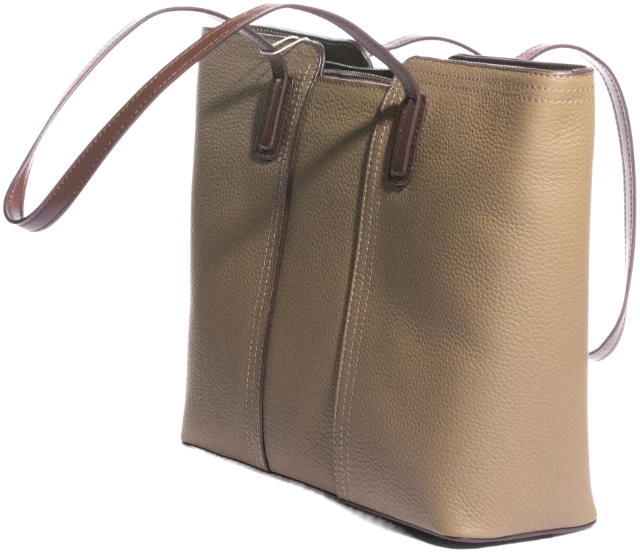
Should you use an AI stylist?
Yes, for the everyday questions: what to wear tomorrow, how to dress up the jeans you live in, what to pack for a long weekend. It’s at its best when it knows your actual wardrobe and you give it the details.
For fit, tailoring and the moments that matter most to you, go to a person, or trust your own mirror. And if you’re still working out what you like, AI can widen your options but it can’t decide for you; that’s the slower, more satisfying work of finding your personal style.
Questions
Is there a free AI stylist?
Yes. General AI chatbots will suggest outfits if you describe your clothes, and some wardrobe apps include an AI stylist in their free version. Free tools may have usage limits, so check how they handle your photos too.
Will AI replace personal stylists?
Not for the parts that need eyes and hands: fit, tailoring, fabric and an honest second opinion in the fitting room. AI is more likely to take over the quick everyday questions, like what to wear tomorrow.
Can an AI stylist tell me what suits my body?
It can repeat general advice about proportions, but it can’t see how a piece sits on you. Try things on and judge by comfort and how you feel, rather than by body-shape rules.
Can AI work out my colour palette from a selfie?
Treat it with caution. Phone photos change colour with the light and the camera’s processing, so a selfie can mislead. Use any suggestion as a hunch and test colours against your face in daylight.
Sources
- ChatGPT and Gemini among AI tools giving risky consumer advice, Which? finds, Which?
- Your right to get your data deleted, Information Commissioner’s Office